
Sirens aren’t blaring, but county extension offices are definitely waving their arms. Gardeners who proudly pile up kitchen scraps and yard waste are being urged to pause before tossing in one especially common material. What looks like harmless green gold can actually cause stunted plants, twisted leaves, and a season’s worth of frustration. The surprise factor is real because this ingredient shows up in compost bins everywhere, from suburban backyards to community gardens.
Extension educators are seeing the same pattern repeat across states, climates, and soil types. Once you know what they’re concerned about, it’s hard to look at your compost pile the same way again.
Why Extension Offices Are Raising Red Flags
Grass clippings are one of the most popular compost ingredients in the country, and that popularity is exactly why extension offices are speaking up. Many lawns are treated with herbicides designed to kill weeds like dandelions and clover while leaving grass unharmed. Those chemicals don’t always break down quickly after mowing, even when clippings are composted.
Extension agents began noticing clusters of complaints from gardeners whose vegetables failed in very specific, unusual ways. Tomatoes curled into tight spirals, beans refused to grow straight, and peppers stalled out completely. When soil tests and garden histories were reviewed, grass clippings kept showing up as a shared factor. The consistency of these reports has turned a quiet concern into a full-blown educational push.
How Herbicides Travel From Lawn To Garden
Selective lawn herbicides are engineered to survive sun, rain, and foot traffic, which means they’re tougher than many people realize. When treated grass is cut, those herbicide residues stay inside the clippings. Composting does not guarantee that these chemicals will break down, especially in backyard piles that don’t reach high, sustained temperatures.
Once compost containing contaminated clippings is spread in a garden bed, the herbicides can be taken up by sensitive plants through their roots. Crops in the tomato, bean, pea, and potato families are especially vulnerable. Extension offices stress that even a small amount of affected compost can cause noticeable plant damage. This explains why gardeners sometimes see problems even when they’ve composted “by the book.”
What Damage Gardeners Are Seeing
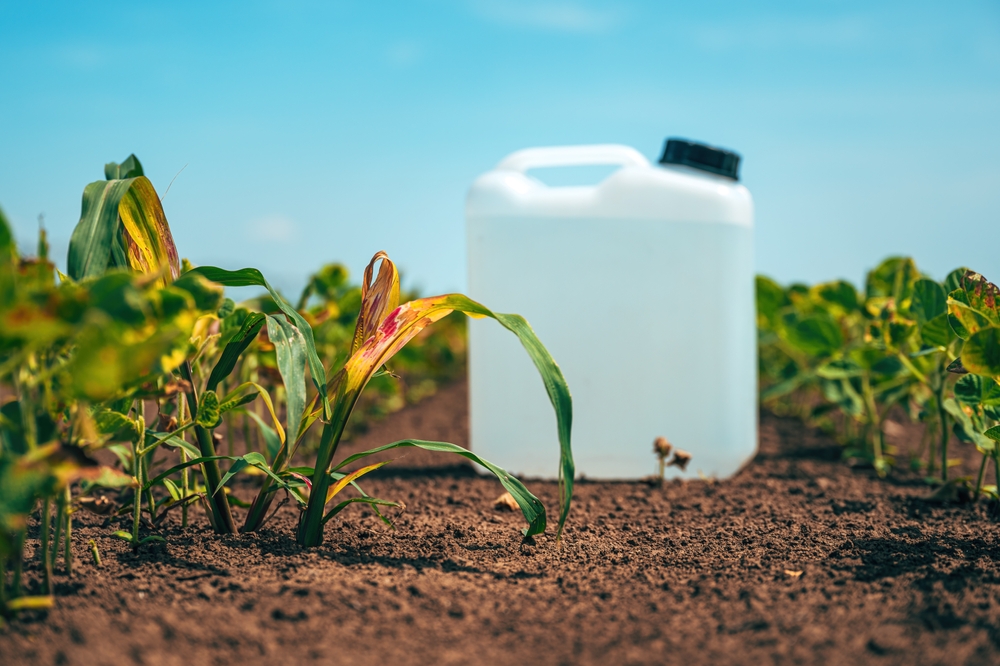
The symptoms reported to extension offices are striking and often alarming. Leaves may twist, curl, or develop a fern-like appearance that looks almost decorative at first. Stems can become thin, brittle, and unable to support normal growth. Flowers may drop without setting fruit, or fruits may form but remain small and misshapen. What makes this particularly frustrating is that watering, fertilizing, and pest control don’t fix the issue. Gardeners often assume disease or nutrient deficiency, losing weeks trying to correct the wrong problem. Extension specialists have had to explain that once herbicide residues are in the soil, recovery can take months or even longer. For some, that realization comes after an entire growing season has already slipped away.
How To Compost Safely Right Now
Extension offices are not saying to abandon composting or swear off grass clippings forever. Instead, they recommend knowing the source of every clipping that goes into your pile. If you treat your lawn with herbicides, wait the full label-recommended time before composting clippings, which can range from weeks to months. If you don’t know whether a lawn was treated, assume it was and keep those clippings out of compost destined for vegetable beds.
Some gardeners choose to compost questionable clippings separately and use that material only on lawns or ornamental plantings. Others skip grass entirely and rely on leaves, untreated plant debris, and kitchen scraps. Being selective may feel cautious, but extension agents say it’s far easier than repairing contaminated soil.
What Extension Offices Recommend Going Forward
Education is the centerpiece of the extension office response. Agents are encouraging gardeners to read lawn care product labels carefully and to ask neighbors before accepting bagged clippings. They’re also reminding people that “natural” looking grass doesn’t always mean chemical-free. Many extension services suggest keeping a simple compost log that tracks what goes into each batch. That record can be invaluable if plant problems appear later.
Long-term, extension educators hope increased awareness will reduce accidental herbicide transfer altogether. The goal isn’t to scare gardeners, but to help them compost with confidence and protect the soil they’ve worked so hard to build.
Compost Smarter, Not Harder
Composting remains one of the most rewarding habits a gardener can have, and extension offices are firmly on its side. Their warning about grass clippings isn’t meant to take the joy out of recycling yard waste, but to prevent heartbreak in the garden. A little extra attention to what goes into the pile can mean healthier soil, stronger plants, and better harvests.
If you’ve ever struggled with mysterious garden problems or changed your composting habits, your experience could help others. Drop your thoughts or stories in the comments section below and keep the conversation growing.
You May Also Like…
7 Compost Layering Mistakes That Stop Heat Production
Why Garden Composting in Winter Works Better Than You Think
7 Composting Tricks That Only Work in Autumn
Is Composting at Home Still the Cheapest Soil Option?
12 Ways to Build Soil Over Winter Using Leaves, Compost & More

Brandon Marcus is a staff writer for FrugalGardening.com at District Media, Inc., where he delivers practical gardening advice with a relatable, no-nonsense style. An avid amateur gardener, he holds a BA degree and with over ten years of professional writing experience, he is also an award-winning published author whose first book, Questions For Deep Thinkers, was released by Adams Media. His work has appeared in major publications including Fandom.com, CHUD.com, TheColdWire.com, and Fansided.com.
Leave a Reply