Winter may look like a quiet timeout for the garden, but beneath the surface it’s more like a survival reality show packed with drama, strategy, and stubborn contestants. As leaves fall and beds go wild, tiny creatures start scouting for winter condos with insulation, snacks, and protection included.
Untended garden beds just happen to check every box on their wish list. While gardeners hang up their gloves, pests gear up for their cold-weather endurance test. Understanding why they choose these spaces turns a frustrating mystery into a fascinating look at nature’s resilience.
What Overwintering Means For Pests
Overwintering is the process pests use to survive freezing temperatures when food is scarce and conditions are harsh. Many insects slow their metabolism, hide in protected spaces, or enter dormant life stages like eggs or pupae. Untended garden beds offer exactly the kind of stable microclimate these pests need. Soil, debris, and plant matter act like a natural blanket against extreme cold. This strategy allows pests to reemerge quickly when spring warmth returns.
Warmth Hidden Beneath The Surface
Soil holds heat far better than open air, especially when it’s covered with mulch, weeds, or fallen leaves. This trapped warmth creates a buffered environment that protects insects from lethal temperature swings. Untended beds often have layers of organic matter that act as insulation. Even during deep freezes, temperatures below the surface remain survivable. For pests, this difference can mean life or death.
Food Sources Left Behind
Dead plants, decaying roots, and leftover produce scraps are a winter pantry for many pests. Insects don’t need fresh salads to survive; they thrive on decomposing organic material. Untended beds supply a steady, low-effort food source throughout the colder months. This abundance reduces the need for pests to venture into riskier areas. Staying put conserves energy and boosts survival rates.
Moisture Creates Perfect Hideouts
Moist soil is essential for many overwintering insects because dehydration can be just as deadly as cold. Untended beds often retain moisture due to plant cover and reduced evaporation. Fallen leaves and dense weeds help trap humidity close to the soil surface. This environment prevents insects from drying out during long winter stretches. Moisture also keeps soil workable, allowing pests to burrow deeper when needed.
Reduced Disturbance Boosts Survival
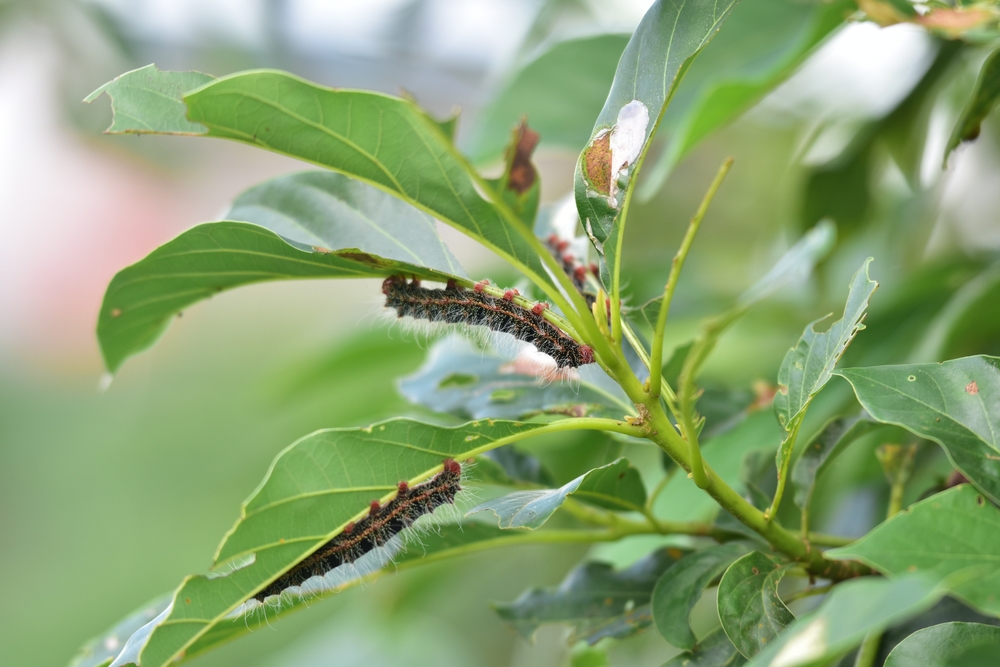
Gardens left alone experience far less disruption from digging, turning, or cleanup. This lack of disturbance allows pests to settle in securely without fear of exposure. When soil remains undisturbed, overwintering insects avoid predators and sudden temperature shocks. Human activity is one of the biggest threats to their winter plans. An untouched bed becomes a quiet refuge where survival odds climb dramatically.
Common Garden Pests That Overwinter
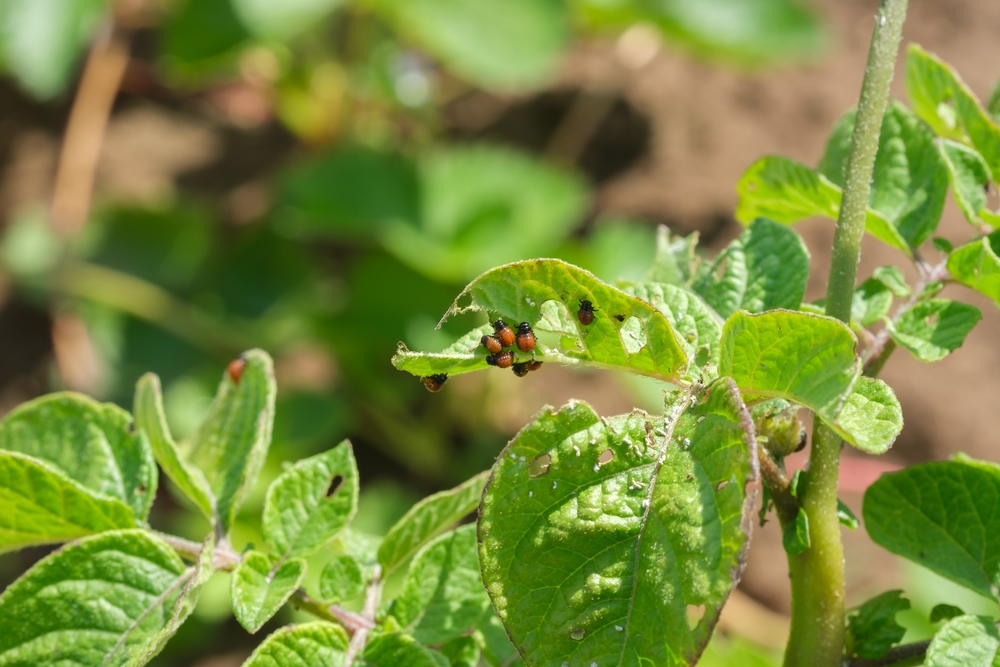
Many familiar garden troublemakers rely on overwintering to stage their spring comeback. Aphids, squash bugs, cutworms, cabbage moths, and beetles commonly hide in garden beds. Some survive as adults, while others wait as eggs or larvae tucked into soil and debris. Their life cycles are perfectly timed to reappear when young plants emerge. This timing gives them a head start before gardeners notice trouble.
How Untended Beds Affect Spring Explosions
When pests overwinter successfully, spring populations can surge almost overnight. Warm temperatures wake them up right as tender new growth becomes available. Untended beds allow more pests to survive, increasing reproduction early in the season. This leads to faster infestations that feel sudden and overwhelming. The groundwork for spring struggles is often laid months earlier during winter.
Don’t Invite Unwanted Guests For Winter
Untended garden beds may look peaceful, but they quietly support a complex winter survival system for pests. Understanding this process empowers gardeners to make smarter seasonal decisions. Small actions like cleanup, light soil disturbance, or compost management can change the outcome dramatically. Gardens don’t need to be sterile to be healthy, but awareness makes all the difference.
Give us all of your thoughts, experiences, or surprising discoveries in the comments section below, and keep the conversation growing.
You May Also Like…
How to Catch Hidden Pests Before They Invade Your Shed This Winter
6 Garden Pests That Hibernate in Your Soil
Can Your Garden Recover After a Harsh Winter Freeze?
7 Container Gardens You Can Move Indoors for Winter Success
10 Budget-Friendly Garden Projects to Start Before Spring

Brandon Marcus is a staff writer for FrugalGardening.com at District Media, Inc., where he delivers practical gardening advice with a relatable, no-nonsense style. An avid amateur gardener, he holds a BA degree and with over ten years of professional writing experience, he is also an award-winning published author whose first book, Questions For Deep Thinkers, was released by Adams Media. His work has appeared in major publications including Fandom.com, CHUD.com, TheColdWire.com, and Fansided.com.
Leave a Reply