Buying a plant feels like winning a tiny lottery. You’ve picked a lush green beauty, imagined it thriving on your patio, and envisioned the compliments rolling in from your friends. But then… it wilts, browns, or mysteriously vanishes within a week. Suddenly, that once-proud greenery becomes a money pit, and your dreams of being a master gardener feel like a cruel joke.
The truth is, not every plant is made for every climate, and understanding your local conditions can be the difference between a garden of glory and a basket of regrets.
Understand Your Climate Zone Like A Pro
Every plant has a comfort zone, just like humans. USDA hardiness zones and local climate guides aren’t just numbers—they are a survival blueprint for your plants. If you ignore your zone, you might end up with tropical flowers in freezing winters or desert succulents in swampy soil. Researching your zone can prevent months of frustration, wasted water, and empty pots. Knowing whether your summers scorch or your winters freeze is the first step to becoming a climate-savvy gardener.
Choose Native Plants For Maximum Survival
Native plants are basically the superheroes of the plant world—they’ve evolved to handle your exact weather, pests, and soil conditions. These plants often need less water, fewer chemicals, and minimal fuss to thrive. By selecting natives, you increase the odds of a garden that not only survives but flourishes. They also support local wildlife, attracting pollinators and beneficial insects. When in doubt, ask your local nursery which plants are local heroes—they’ll usually give you a list that saves both money and heartache.
Know Your Soil Before You Buy
Even the hardiest plant struggles in the wrong soil. Is it clay-heavy, sandy, acidic, or alkaline? A soil test is cheap, fast, and will save you from countless failed plant experiments. Amending your soil with compost or adjusting pH can turn a struggling patch into a thriving ecosystem. Plants may seem resilient, but the ground beneath them is their lifeline—ignore it at your peril.
Watch Out For Extreme Weather Patterns
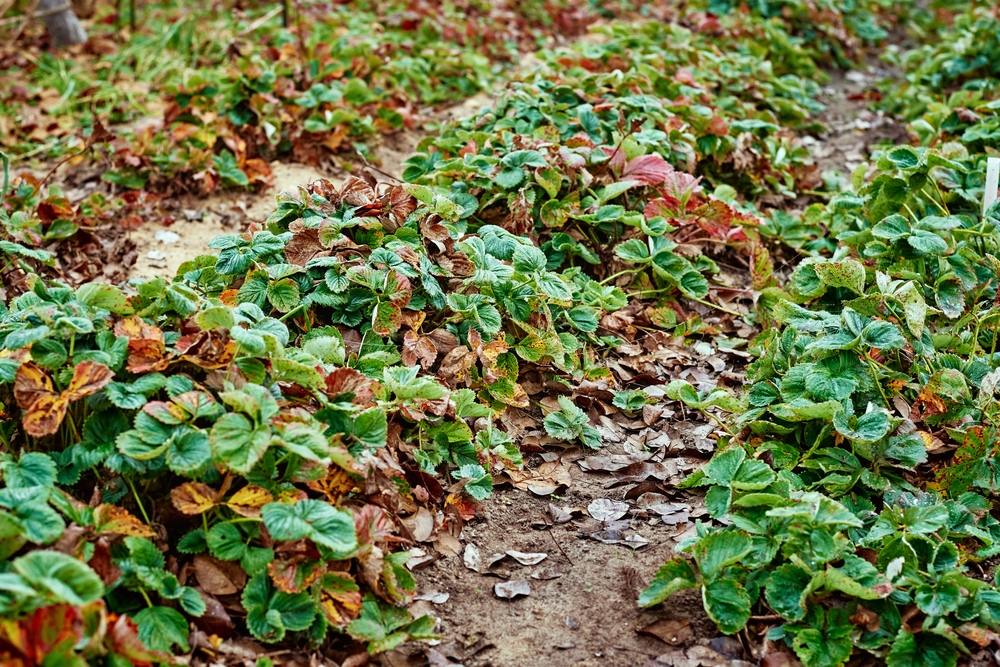
Climate change isn’t just a buzzword—it’s actively rewriting what “survivable” means for your plants. Heatwaves, unexpected frosts, and intense storms can wipe out delicate species overnight. By tracking local weather trends, you can plan smarter planting schedules or select more resilient varieties. For example, a plant that survived last winter might not survive this year if temperatures drop lower than normal. Flexibility and foresight are your secret weapons against Mother Nature’s curveballs.
Group Plants By Water And Sun Needs
One of the simplest mistakes gardeners make is mixing thirsty plants with drought-tolerant ones. Overwatering some can drown them while underwatering others, leaving you with casualties on both sides. Creating micro-gardens based on sunlight and moisture requirements boosts survival rates dramatically. Mulching, drip irrigation, and proper spacing can further protect sensitive species. When plants are grouped by need, everyone thrives—your wallet, your garden, and your pride.
Beware Of Trendy Plants That Don’t Fit
Instagram-worthy plants often come with a hidden price: poor survival in your climate. Rare orchids, exotic palms, or imported succulents might look stunning, but they may not last a single season outdoors. Before buying, check if a plant has survived in your region for more than a few seasons. Talk to local gardeners, check extension service reports, or ask your nursery for survival stats. Following trends blindly can turn your garden into a graveyard of expensive, dead foliage.
Learn Seasonal Planting Windows
Timing is everything in gardening and ignoring it can be costly. Planting too early or too late can stunt growth or kill seedlings before they even get a chance. Understanding local frost dates, rainy seasons, and peak sun periods gives plants a fighting chance. Some species benefit from starting indoors before the last frost, while others thrive when directly sown in soil. By syncing your planting schedule with nature, you maximize survival and minimize wasted money.
Use Containers Wisely To Test Success
Containers are more than decorative—they’re trial zones for your plant experiments. If you’re unsure about a new species, plant it in a pot first and monitor its reaction to your climate. Containers allow for easy relocation, controlled watering, and protection from extreme conditions. Once a plant proves itself hardy, it can graduate to a permanent spot in your garden. This step can save hundreds of dollars and countless heartbreaks from planting mistakes.
Rotate Crops And Refresh Garden Beds
Even hardy plants can falter if soil nutrients get depleted or diseases build up. Rotating crops and refreshing beds with compost or mulch keeps plants vigorous and resistant. It’s like giving your garden a rejuvenating spa day each season. Neglecting this step can silently drain your soil and lead to repeated failures, no matter the climate compatibility. Think of it as giving your plants the foundation they need to conquer your weather.
Stop Wasting Money, Start Thriving
Gardening isn’t just about pretty colors and Instagram moments—it’s about understanding the delicate dance between plants and climate. Choosing the right species, knowing your soil, respecting seasonal windows, and avoiding trendy pitfalls can save both your wallet and your sanity. Every success story starts with informed choices, not guesswork.
So before your next plant purchase, pause, research, and strategize—your future self and your garden will thank you. What experiences have you had with plants that didn’t survive your area? Tell us in the comments section below.
You May Also Like…
Why Indoor Gardening Is Trending in Cold-Climate Homes
How Climate Change Is Quietly Changing Fall Gardening Forever
How to Keep Citrus Trees Thriving in a Cold Climate
Why Mulching Improves Soil Microclimate in Winter
Is Starting Seeds Indoors in Winter Really Worth the Cost?

Brandon Marcus is a staff writer for FrugalGardening.com at District Media, Inc., where he delivers practical gardening advice with a relatable, no-nonsense style. An avid amateur gardener, he holds a BA degree and with over ten years of professional writing experience, he is also an award-winning published author whose first book, Questions For Deep Thinkers, was released by Adams Media. His work has appeared in major publications including Fandom.com, CHUD.com, TheColdWire.com, and Fansided.com.
Leave a Reply