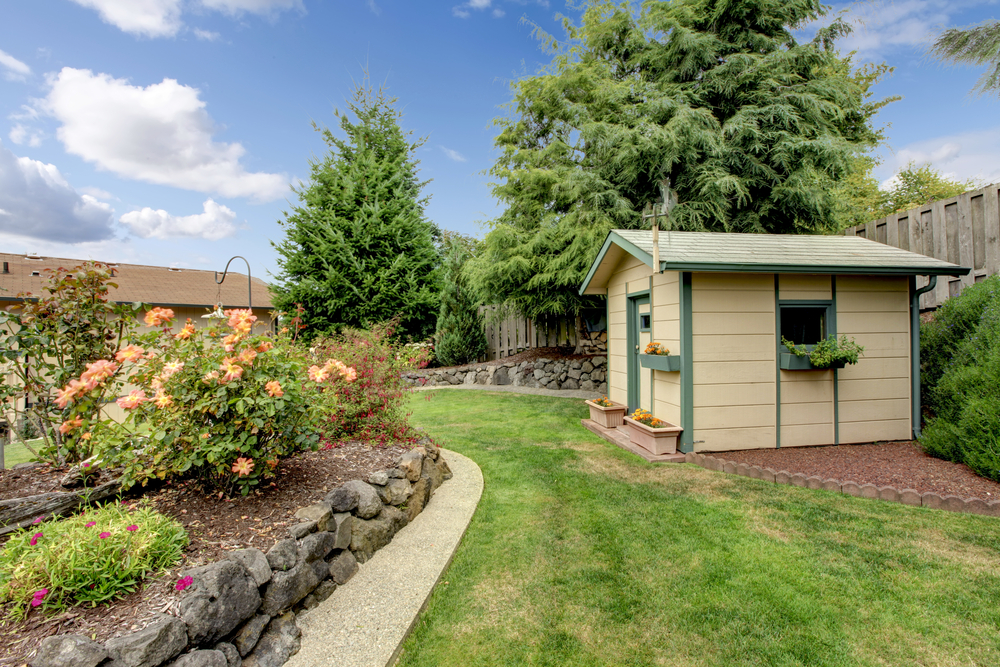
Winter doesn’t politely knock before causing trouble, it barges into your backyard with ice, wind, snow, and a long list of repair bills. One overlooked storm can turn a humble garden shed into a frozen regret filled with warped wood, cracked tools, and soggy memories. While most homeowners focus on roofs and furnaces, the structures sitting quietly beyond the back door often take the hardest hit. Garden sheds aren’t just storage anymore; they’re workshops, retreats, and miniature command centers for weekend warriors.
If winter is coming, it’s time to decide which sheds deserve real protection before the first frost bites back.
1. Wooden Tool Sheds With Aging Roofs
A classic wooden tool shed looks charming in summer, but winter exposes every weakness hiding in its boards and shingles. Snow buildup adds serious weight, and an older roof can buckle or leak under the pressure. Moisture sneaks into untreated wood, freezes overnight, and expands cracks that were once harmless. Insurance coverage helps soften the blow when rot, collapse, or storm damage turns repairs into a costly surprise. If your shed creaks louder than your knees in January, it belongs on your insured list.
2. Metal Sheds Filled With Power Equipment
Metal sheds may look indestructible, but winter loves testing that confidence. Extreme cold can make metal brittle, while heavy snow and ice bend panels and loosen fasteners. Inside, expensive power tools face condensation, rust, and electrical damage as temperatures swing wildly. A single winter storm can damage both the structure and thousands of dollars in equipment. Insuring these sheds protect more than metal walls—it safeguards your investments and your sanity.
3. Converted Garden Sheds Used As Workshops
Once a shed gains electricity, insulation, and a workbench, it stops being “just a shed.” Winter storms can knock out power, flood floors, or damage wiring that was never meant for extreme cold. Heating devices increase fire risk, especially when cords and outlets are exposed to moisture. Insurance becomes critical when your hobby space doubles as a mini workshop with real value. If you’d cry over losing what’s inside, it deserves coverage.
4. Storage Sheds Housing Seasonal Furniture
Patio sets, grills, and outdoor décor often spend winter hibernating in backyard sheds. Snowmelt and ice dams can turn these storage spaces into damp disaster zones. Mold, warping, and corrosion love unprotected sheds with poor ventilation. Insurance coverage helps replace ruined items when winter weather proves more destructive than expected. That way, spring doesn’t arrive with a shopping list instead of a smile.
5. Custom-Built Or High-End Designer Sheds
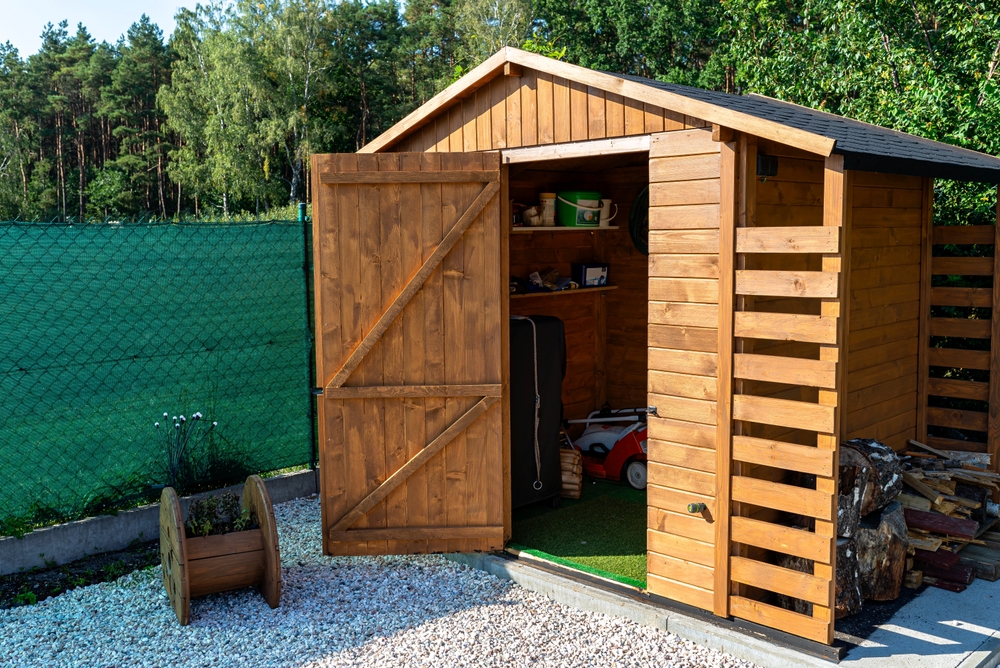
Some garden sheds are architectural statements, not afterthoughts. Custom materials, windows, and finishes raise both the aesthetic and the replacement cost. Winter storms don’t care how stylish a structure looks when wind gusts rip panels loose. Insurance ensures that a premium shed doesn’t become a premium loss. If your shed turns heads, it should also turn up on your policy.
6. Older Sheds With Weak Foundations
Time quietly undermines shed foundations, and winter finishes the job. Freeze-thaw cycles shift soil, crack concrete, and tilt structures just enough to cause serious damage. Doors stop closing, walls bow, and roofs strain under uneven pressure. Insurance can help cover repairs when nature accelerates years of wear into one brutal season. An aging shed deserves protection before gravity takes advantage.
7. Sheds Used For Garden Supplies And Chemicals
Fertilizers, pesticides, and gardening chemicals react poorly to freezing temperatures. Containers can crack, leak, or become hazardous when exposed to extreme cold. Structural damage combined with chemical spills creates a messy and expensive cleanup. Insurance coverage helps address both property damage and potential environmental concerns. Winter-proofing isn’t just smart—it’s responsible.
8. Multi-Purpose Sheds Used Year-Round
Some sheds refuse to hibernate and stay active through every season. Whether they’re home gyms, art studios, or quiet retreats, winter use increases risk. Heating units, foot traffic, and snow removal all add stress to the structure. Insurance provides peace of mind when a year-round shed faces year-round threats. If you rely on it in January, you should protect it in December.
Protecting What Winter Tries To Take
Winter doesn’t discriminate, and garden sheds often suffer in silence until the damage is done. Insuring the right sheds can save money, time, and a whole lot of frustration when storms roll through. From aging wooden structures to modern multi-purpose spaces, coverage turns disasters into manageable setbacks.
Every backyard tells a story, and winter loves rewriting endings without permission. Drop your thoughts, experiences, or unexpected winter shed lessons in the comments section below.
You May Also Like…
Your Garden Shed Might Be the Most Important Structure This Winter
Greenhouse Secrets: How to Turn a Drafty Shed Into a Cozy Plant Haven
Why Organizing Your Shed Now Makes Spring Gardening Easier
6 Ways Your Garden May Be Breaking the Law Without You Knowing
Stop Buying Tools: 8 Places to Find Free Gardening Gear Today

Brandon Marcus is a staff writer for FrugalGardening.com at District Media, Inc., where he delivers practical gardening advice with a relatable, no-nonsense style. An avid amateur gardener, he holds a BA degree and with over ten years of professional writing experience, he is also an award-winning published author whose first book, Questions For Deep Thinkers, was released by Adams Media. His work has appeared in major publications including Fandom.com, CHUD.com, TheColdWire.com, and Fansided.com.
Leave a Reply