
Winter doesn’t have to bring a cold, dead icescape for your garden. While neighbors stare out at barren plots that look like abandoned movie sets, you could be admiring texture, structure, color, and movement—all without a single bloom.
That’s the beauty of winter interest: it keeps your garden alive even when everything else is sleeping. It turns the “off-season” into a secret season of its own, full of surprise and quiet charm. And once you discover how good a garden can look in winter, you’ll never go back to letting it slip into total hibernation again.
Evergreen Structure Is Your Garden’s Winter Backbone
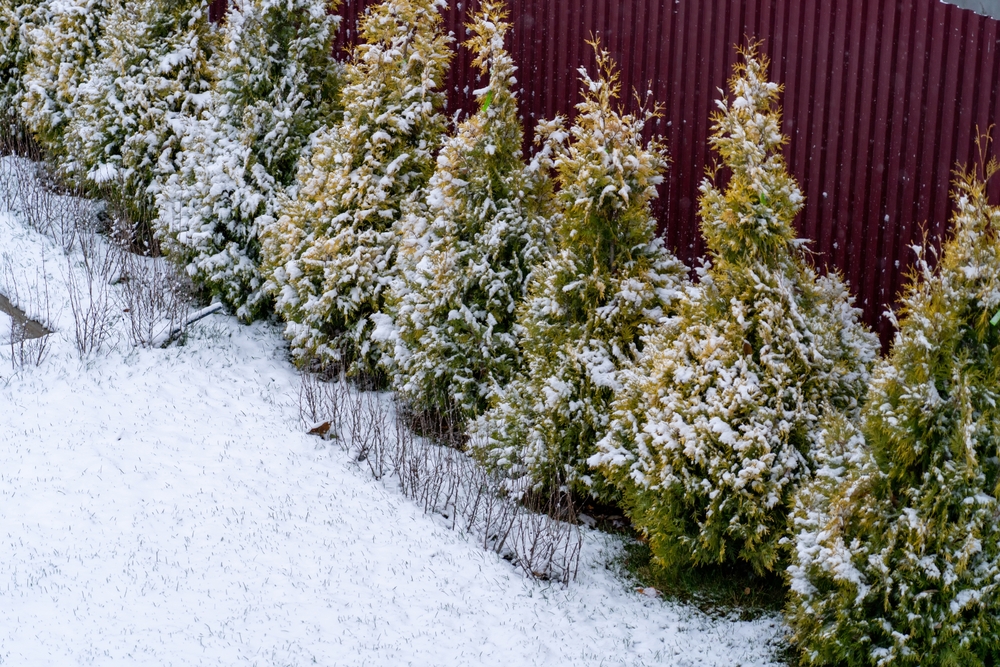
Evergreens are the heroes of winter landscapes because they provide the kind of structure that refuses to disappear when the temperatures drop. Instead of letting your garden melt into a blur of gray twigs and soil, evergreens keep things bold and defined. Their shapes hold the eye, whether you choose sculptural boxwoods, tall pines, or low-growing junipers that creep along the ground like emerald carpets. These plants don’t ask for much but give so much back in the coldest months. When everything else looks bare, evergreens keep your garden feeling alive and intentional.
Bark And Branches Add Artistry You Never Noticed Before
Winter is when bark becomes the unexpected star of the garden show, showing off textures and patterns you barely noticed in summer. Peeling birch bark, cinnamon-colored cherry bark, and the zigzag silhouettes of corkscrew willows suddenly turn into living sculptures. Stripped of leaves, the architecture of each tree becomes dramatically visible, giving the garden depth and personality. It’s a reminder that plants don’t need flowers to be beautiful—they only need the right spotlight. And winter provides that spotlight effortlessly, revealing details that warmer seasons tend to hide.
Berries And Seed Heads Provide Color And Wildlife Appeal
When winter tries to drain all the color from your yard, berries come in like tiny ornaments refusing to let the season get boring. Hollies, viburnums, beautyberries, and crabapples all bring pops of red, purple, blue, and gold that brighten even the gloomiest day. But it’s not just about aesthetics—these berries keep birds fed and active in your garden, creating life and motion where silence would otherwise settle. Seed heads from coneflowers, grasses, and rudbeckias also add interest and provide food for wildlife. Instead of cutting everything back, letting these natural accents remain gives your garden texture, purpose, and energy.
Grasses Keep The Garden Moving When Everything Else Is Still
Ornamental grasses don’t fade into the background in winter—they become the background. Their feathery plumes catch frost like they’re wearing crystal jewelry, and they sway with the slightest breeze, adding movement to an otherwise quiet landscape. Tall varieties stand like golden or silver sentinels, creating drama even after their summer prime. Their silhouettes play beautifully with winter light, especially at sunrise or sunset when every blade glows. By keeping your grasses standing through winter, you’re giving your garden volume, contrast, and a poetic sense of motion.
Hardscape And Decor Become Winter’s Main Characters
In winter, your benches, pathways, trellises, stone borders, and decorative features suddenly matter more than ever. Without lush foliage or flowering shrubs stealing the show, your hardscape steps into the spotlight and defines your garden’s personality. A well-placed arbor becomes an entrance to a winter wonderland, while a simple birdbath transforms into a sculptural focal point. Even containers and pots can add structure and color if you fill them with winter greens, branches, or cold-hardy plants. When flowers go silent, the bones of your garden decide how memorable the season will be.
Winter Light Transforms Ordinary Plants Into Works Of Art
Winter sunlight behaves differently—softer, lower, and more dramatic, casting long shadows and golden highlights that summer can’t match. Plants with interesting forms suddenly glow at dawn or dusk, and even simple elements take on unexpected beauty. Frost turns seed heads into jewels, while ice on branches becomes natural artwork worthy of a gallery wall. The interplay of light and shadow gives your garden mood, contrast, and ethereal charm. If you’ve ever walked outside on a cold morning and seen your landscape glitter like it’s made of sugar, you already know winter light is a storyteller.
Maintaining Winter Interest Keeps You Connected To Your Garden Year-Round
A garden with winter interest invites you outside even when it’s cold, reminding you that nature never really shuts down—it just shifts gears. Instead of staring out the window waiting for spring, you get to enjoy new textures, colors, and moments of beauty you may have ignored before. It keeps your gardening spirit alive and gives you a sense of continuity through the seasons. It also makes planning more fun, because winter teaches you what your garden is really made of beneath all the summer fluff. When you care about winter interest, you’re not gardening for one season—you’re gardening for every season.
Make Winter Part Of Your Garden Story
Winter doesn’t have to be a dull pause in your garden’s personality—in fact, it can become one of the most enchanting chapters. When you mix structure, color, texture, and movement, your garden remains lively even when the blooms are gone. Winter interest turns cold months into an opportunity for beauty instead of a break from it. You deserve a garden that makes you smile all year long, not just in spring.
Have you created winter interest in your garden? Share your experiences, ideas, or winter gardening stories in the comments.
You May Also Like…
Grow This Indoors and You’ll Have Fresh Herbs All Winter
Why Ignoring Your Fountain Could Cost You Hundreds This Winter
Design a Winter Garden That Looks Just as Good Without Flowers
The Lazy Gardener’s Trick for Keeping Raised Beds Fertile All Winter
How Windbreaks Improve Garden Health in Winter

Brandon Marcus is a staff writer for FrugalGardening.com at District Media, Inc., where he delivers practical gardening advice with a relatable, no-nonsense style. An avid amateur gardener, he holds a BA degree and with over ten years of professional writing experience, he is also an award-winning published author whose first book, Questions For Deep Thinkers, was released by Adams Media. His work has appeared in major publications including Fandom.com, CHUD.com, TheColdWire.com, and Fansided.com.
Leave a Reply