• Skip to primary navigation
  • Skip to main content
  • Skip to primary sidebar

Frugal Gardening

Simple ways to save money while you garden

  • About
  • Contact Us
  • Garden Frugally
  • Buy These
  • Our Editorial Commitment
  • Navigation Menu: Social Icons

    • Facebook
    • Pinterest
    • Twitter

5 Things Growing in Your Yard That Could Get You Sued

August 15, 2025 by Teri Monroe Leave a Comment

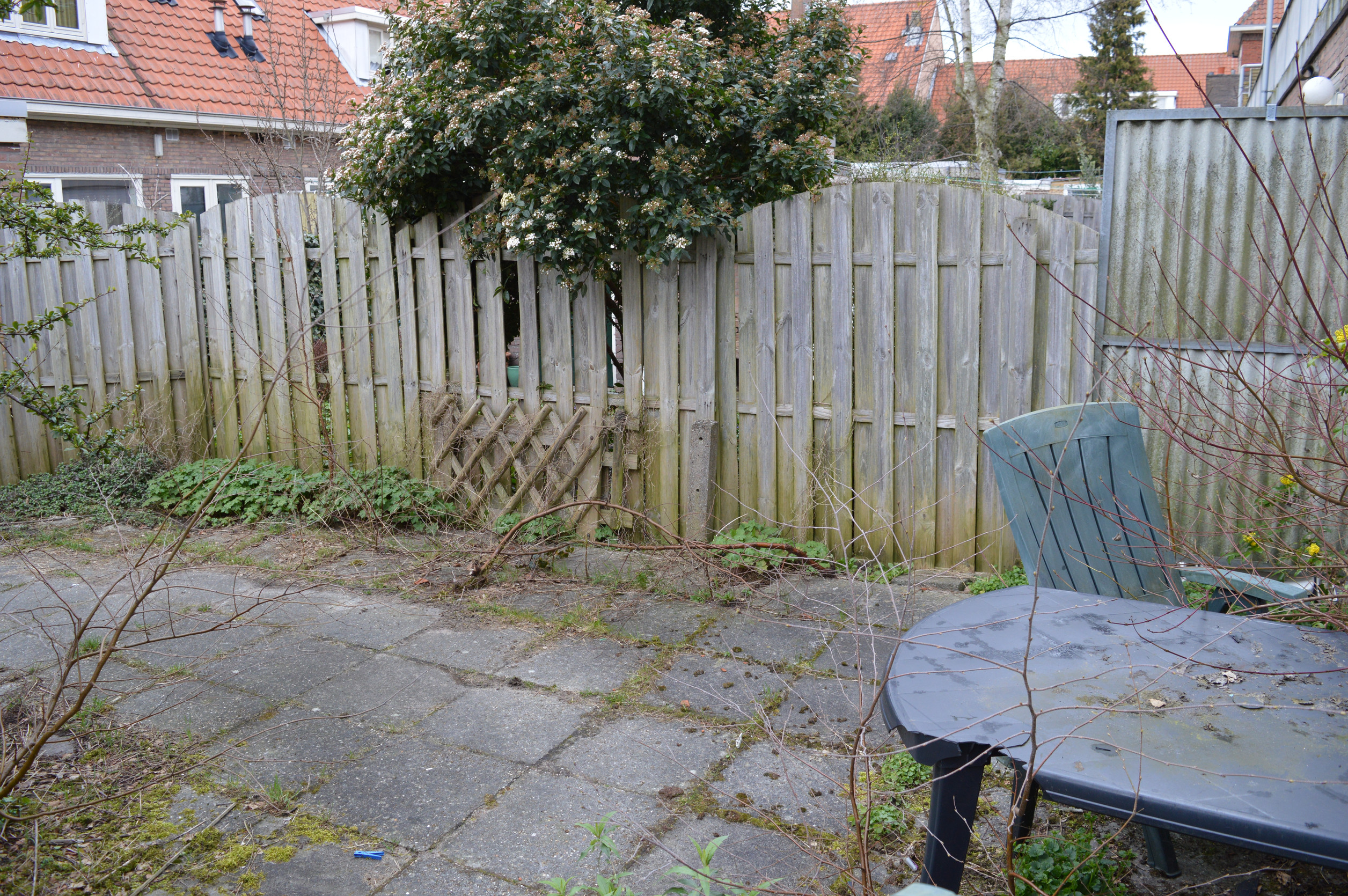
Things growing in your yard that could get you sued.
123rf.com

Your yard might seem like a peaceful retreat, but it could get you sued. Some plants and growths can unexpectedly cause legal trouble. Whether it’s overhanging branches, invasive species, or hazardous trees, what’s growing on your property could lead to costly lawsuits. Here are five common yard-related issues that have sparked legal disputes. Plus, learn how to avoid them.

1. Overgrown Tree Branches Crossing Property Lines

Branches that extend into your neighbor’s yard can cause damage to their property or pose safety risks. If left unchecked, your neighbor could take legal action for repairs or removal costs. In some states, you have the right to trim the tree if it’s on your property. A law suit may occur though if serious harm is done by the tree.

2. Invasive Plants That Spread to Neighboring Land

Plants like bamboo or kudzu can aggressively spread beyond your property, damaging fences, landscaping, and ecosystems. Neighbors may hold you responsible for eradication expenses. Invasive species can be difficult and costly to remove once established, requiring professional intervention. Being proactive about controlling or removing these plants can prevent legal disputes and protect local biodiversity.

3. Poisonous or Allergic Plants

If you grow plants known to cause allergic reactions or are toxic to children or pets, you could face liability if someone is harmed on your property. Common examples include poison ivy, oleander, and certain types of mushrooms that can be highly toxic. Visitors or neighbors unaware of the risks might accidentally come into contact with these plants, leading to serious health issues. Proper signage, clear communication, or removing hazardous plants altogether can help reduce the risk. Ignoring these dangers may result in costly lawsuits if injuries occur.

4. Diseased or Dead Trees at Risk of Falling

Failing to remove hazardous trees can be seen as negligence if they fall and damage a neighbor’s property or injure someone. Regular inspections and maintenance are key. Diseased or dead trees lose structural integrity and become unpredictable hazards during storms or high winds. Consulting a certified arborist can help assess risks and recommend timely removal or treatment. Proactive care protects both your property and your legal standing.

5. Gardens or Plants Violating Local Ordinances

Some municipalities restrict compost piles or dictate the location of your garden. Ignoring these rules could lead to fines or legal complaints from neighbors. These regulations often aim to control invasive species, prevent pest infestations, or maintain neighborhood aesthetics. Before planting, it’s wise to check local ordinances and obtain necessary permits. Staying informed helps you avoid costly penalties and community disputes.

Don’t Get Sued Because of Your Yard

Regularly inspect and maintain your yard, communicate with neighbors, and check local laws to keep your outdoor space safe and litigation-free. Being proactive helps prevent disputes before they start and fosters good neighborly relationships. Staying informed about your responsibilities also ensures your property remains a safe and enjoyable place for everyone.

Read More

10 Garden Chemicals That Are Still Sold—But Banned Overseas

10 Ways Your Garden Might Be Lowering Your Home’s Appraisal

Photograph of Teri Monroe
Teri Monroe

Teri Monroe started her career in communications working for local government and nonprofits. Today, she is a freelance finance and lifestyle writer and small business owner. In her spare time, she loves golfing with her husband, taking her dog Milo on long walks, and playing pickleball with friends.

Filed Under: garden musings Tagged With: garden local ordinances, getting sued, overgrown trees, yard causes lawsuit

Previous Post: « 7 Insects Experts Warn Can Hitchhike Into Your House From the Garden
Next Post: 8 Outdoor Projects That Could Void Your Home Insurance »

Reader Interactions

Leave a Reply Cancel reply

Your email address will not be published. Required fields are marked *

Primary Sidebar

Struggling to get your garden off the ground? Put those days behind you with our special starter kit – perfect for thrifty green thumbs everywhere. Get growing and add a splash of color today!

Popular Posts

  • usda free seeds websiteHow To Get Free Seeds From The Government by Amanda Blankenship Seeds might seem like a small expense, but any seasoned…
  • Enviro Ice On PlantsShould I Use Enviro Ice On My Plants? by Kathryn Vercillo Every week, I receive food from Hungryroot. It's a great…
  • is shredded paper good for the gardenFrom Trash to Treasure: Transform Shredded Paper Into Garden Gold by Amanda Blankenship Should you use shredded paper as garden mulch? It might…
  • Enviro IceWhat Happens to Plants If You Use Enviro Ice on Them? by Amanda Blankenship About a year ago, I wrote our first article about…
cut back leggy annuals

How to Cut Back Leggy Annuals Before Composting Them

Those scraggly petunias, stretched-out marigolds, and tired zinnias might not look like much by the end of fall. After months of flowering, many annuals become woody, overgrown, or covered in dying leaves, making them tempting candidates for the trash. But before you pull everything out and toss it away, there’s a better way to handle…

Read More

how to dry sunflower heads

How to Dry Sunflower Heads for Seeds and Wildlife

Before you toss those drooping sunflower heads into the compost pile this fall, consider what you’re throwing away. Those faded blooms could provide free seeds for next year’s garden, nutritious food for backyard birds, or even a natural alternative to expensive store-bought bird feeders. Sunflowers are one of the few garden plants that continue providing…

Read More

burlap uses for garden shrubs

The Best Burlap Uses for Exposed Garden Shrubs

That beautiful evergreen shrub you planted in spring might look perfectly healthy now, but winter could tell a different story. Strong winds, freezing temperatures, heavy snow, and road salt can leave expensive landscaping investments looking brown, broken, or completely dead by the time warmer weather returns. Fortunately, protecting vulnerable shrubs doesn’t always require expensive products…

Read More

protecting boxwoods from winter burn

How to Protect Boxwoods From Winter Burn

Your boxwoods may look perfectly healthy in October, but by February, those beautiful green shrubs could be covered in ugly brown and bronze patches. It’s a frustrating sight, especially when you’ve spent years growing a neatly trimmed hedge or invested money in landscaping around your home. The culprit is often winter burn, a common problem…

Read More

  • About
  • Contact Us
  • Garden Frugally
  • Buy These
  • Our Editorial Commitment
  • Navigation Menu: Social Icons

    • Facebook
    • Pinterest
    • Twitter
  • Facebook
  • Pinterest
  • Twitter

Copyright © 2026 · Foodie Pro & The Genesis Framework