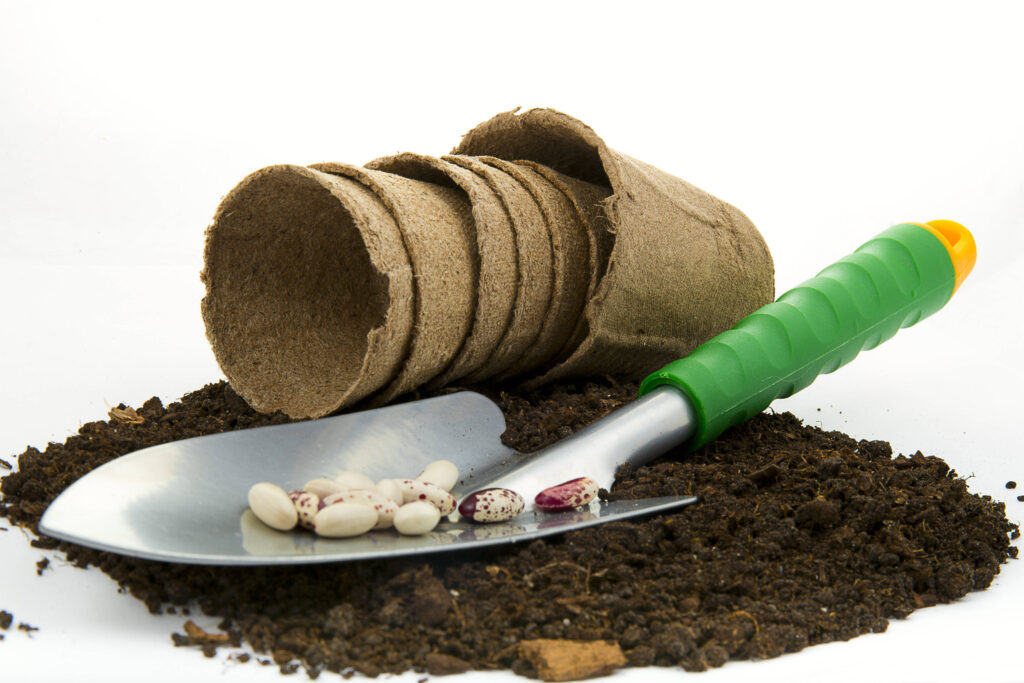
Germination refers to the process of a seed becoming a plant. Some people don’t mind a very slow process. They’ll plant flowers that take two years to show their colors. However, sometimes you want an experience a little bit closer to instant gratification. While no plant is going to germinate overnight, there are techniques to increase germination rate of seeds.
What does Increasing Germination Rate Mean?
Obviously, what you’re trying to do here is to reduce the amount of time it takes for your plants to go from a seed to what you’d commonly recognize as a plant (a flower, a vegetable, etc.) However, note that often the process is really about improving the conditions for the plant. In other words, when you make the conditions optimal, the plant grows more quickly. It’s not as if you pour some magic fairy dust on the seeds and they suddenly sprout. Instead, you listen to what the seeds need and give it to them. That said, some plants really need dormant periods and slow germination to grow correctly.
Techniques To Increase Germination Rate of Seeds
After you’ve done some research to make sure that it’s okay to speed things up, you might use these techniques to increase germination rate of seeds:
1. Find Out What Your Seeds Need
We’re going to have general tips here that apply to many plants. However, you really need to research what each of your specific seed types need for optimal growth. Plant them at the right time of year, in the right growing medium, with the correct sunlight to optimize germination rates.
2. Disinfect Seeds Before Planting
Science in Hydroponics recommends using hydrogen peroxide or sodium hypochlorite solutions to remove microorganisms that might slow down germination rates.
3. Pre-Treat Seeds With Polyethylene Glycol Treatments
Science in Hydroponics also recommends pre-treating your seeds with PEG-6000. The specific amount and approach varies depending on the seeds you’re trying to germinate.
4. Pre-Soak Seeds Before Planting in Soil
AcuRite notes that you should get started on the right foot by providing ample moisture for seeds before you even plant them.
5. Then Keep Watering Well
Seeds tend to need a lot of water to become plants. You’ll usually use more water for seeds than you will once the plant starts growing. So, although you certainly don’t want to overwater your seeds, you should make sure to keep them well-watered during those early days.
6. Plant Inside Before Outside
AcuRite also points out that you do best to plant your seeds inside first. Then, make an effort to acclimate them to the move outside. By doing this part slowly, you actually increase germination rate.
7. Add Gibberellic Acid
Science in Hydroponics says that this is a great way to stimulate seed germination.
8. Add Beneficial Fungi
As mentioned above, you want to disinfect seeds from bad microorganisms. However, you can also introduce good organisms to the seeds. For example, some seeds do well when you add specific beneficial fungi to stimulate growth.
9. Temperature Is Everything
Every resource you’ll read about techniques to increase germination rate of seeds will emphasize the importance of getting the temperature right. Again, each plant needs something different. Some plants grow best in colder temperatures, others in warmer temperatures. Make the effort to find out what your seeds need and accommodate them if you want your plants to grow quickly.
10. Improve Your Soil
Make sure that your soil is ideal for the seeds you’re planting. Is it the right pH level? Does it offer the right kind of drainage and retention of moisture? Make the soil conditions right for the seeds to germinate into beautiful plants.
Read More:
- Seed Starting on a Budget: Germination
- What Are The Different Ways to Germinate Citrus Seeds?
- 5 Cheap Substitutes for Seedling Trays

Kathryn Vercillo is a long time writer, crafter and author of several books. A resident of San Francisco, she is committed to helping others explore, articulate and share their own individuals stories. When she’s not evaluating investing opportunities Kathryn is an avid knitter, researcher, and blogger.
Leave a Reply