• Skip to primary navigation
  • Skip to main content
  • Skip to primary sidebar

Frugal Gardening

Simple ways to save money while you garden

  • About
  • Contact Us
  • Garden Frugally
  • Buy These
  • Our Editorial Commitment
  • Navigation Menu: Social Icons

    • Facebook
    • Pinterest
    • Twitter

Seed Starting on a Budget Series: Germination

December 12, 2024 by Steph Coelho Leave a Comment


Seed Starting on a Budget Series Germination
Image Credit: 123RF

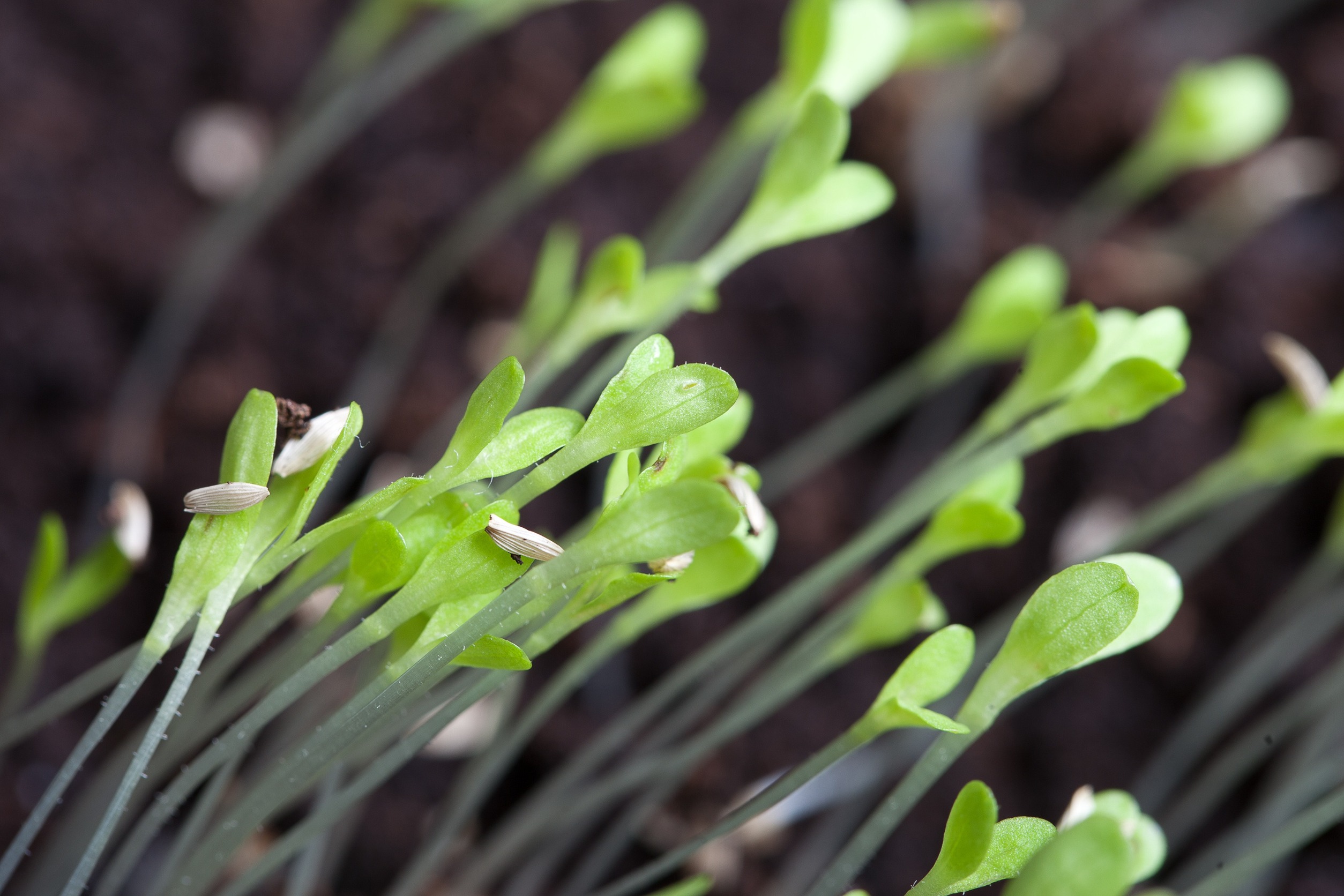
Germination is the process by which a plant sprouts from its seed. Because it mostly happens underground, it’s such a mysterious and almost magical occurrence. One day, you’re popping seeds into a moist soil mix, and the next, you’ve got bright green seedlings popping up. It’s a simple yet incredible feat of Mother Nature that such a miniature-sized organism is capable of making its way above ground to seek sunlight. Seed starting is all about this process, so I wanted to talk a bit about it, the requirements for germination, and germination times.

Germination Requirements

Germination requirements differ depending on the plant in question, but all plants require the following: 

  • Moisture 
  • Suitable temperature range
  • Oxygen availability

Contrary to popular belief, most seeds don’t need light to sprout. But it’s handy to have lights on and ready since your seedlings will require light as soon as they emerge from the soil.

Germination Times
Germination Times
Image Credit: 123RF

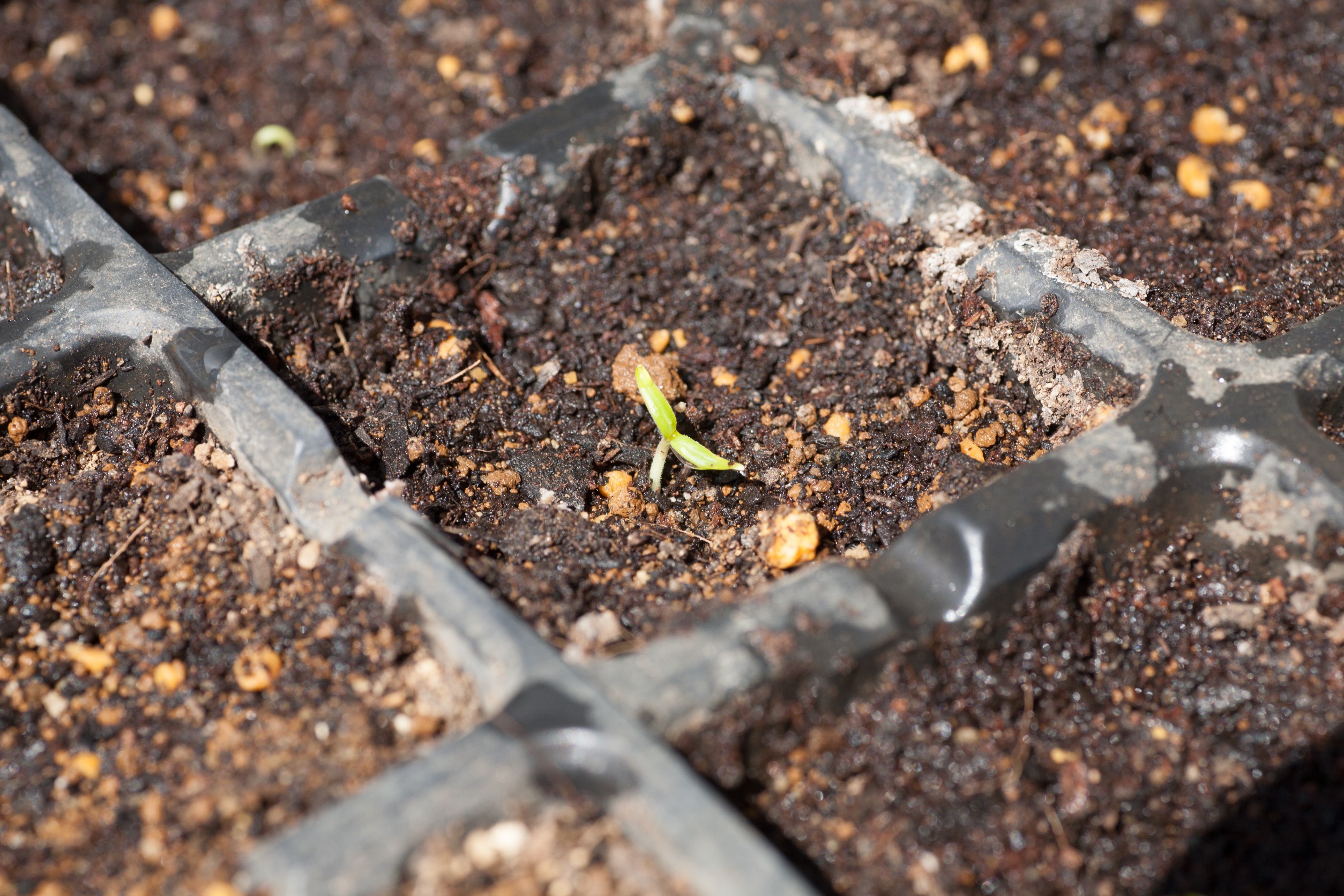
Not all seeds sprout at the same rate. While environmental conditions may alter germination time (e.g., if the soil is too cold, tomato seeds may take longer to germinate), some seeds naturally take a lot longer to pop up out of the ground. Knowing how long a seed should take to germinate is an integral part of the seed starting process. If quick-to-sprout seeds like mizuna and lettuce are taking longer than seven days, you can be sure there’s a problem with your setup or your seeds. Here are a few examples of germination times for favorite garden vegetables:

  • Tomatoes: About a week
  • Eggplant: About a week 
  • Beans: About a week
  • Kale: 4-5 days
  • Chard: 4-5 days
  • Lettuce: 3 days
  • Parsnip: Up to two weeks 

*note these times are based on optimal conditions, slightly colder or warmer soil may delay germination

Having Problems?

If you’ve waited patiently and seedlings aren’t showing up, you may have a bad batch of seeds on your hands. You may also not be meeting the optimal conditions for germination. 

Different varieties of the same plant may germinate at different rates. As always, I suggest taking notes for next year. Knowledge is power, after all! 

Photograph of Steph Coelho.
Steph Coelho

Steph Coelho is a freelance writer gardening in zone 5b. She is a certified Square Foot Gardener and has taught various garden-related workshops. When she’s not digging in the dirt or writing, she’s cooking up fresh produce, running, or listening to her favorite podcasts.

Filed Under: seed starting Tagged With: Budget gardening hacks, Gardening for beginners, Germination on a budget, Seed starting tips, Seedling care

Previous Post: « Seed Starting on a Budget Series: Choosing What to Grow
Next Post: Here Are 5 Great Christmas Gifts For The Gardener In Your Life »

Reader Interactions

Leave a Reply Cancel reply

Your email address will not be published. Required fields are marked *

Primary Sidebar

Struggling to get your garden off the ground? Put those days behind you with our special starter kit – perfect for thrifty green thumbs everywhere. Get growing and add a splash of color today!

Popular Posts

  • usda free seeds websiteHow To Get Free Seeds From The Government by Amanda Blankenship Seeds might seem like a small expense, but any seasoned…
  • Enviro Ice On PlantsShould I Use Enviro Ice On My Plants? by Kathryn Vercillo Every week, I receive food from Hungryroot. It's a great…
  • is shredded paper good for the gardenFrom Trash to Treasure: Transform Shredded Paper Into Garden Gold by Amanda Blankenship Should you use shredded paper as garden mulch? It might…
  • Enviro IceWhat Happens to Plants If You Use Enviro Ice on Them? by Amanda Blankenship About a year ago, I wrote our first article about…
Year of the Tomato: New Blight‑Resistant Varieties Offer High Yields in Cool, Wet Climates

Year of the Tomato: New Blight‑Resistant Varieties Offer High Yields in Cool, Wet Climates

Some gardening seasons feel like a friendly handshake. Others feel like a wrestling match with the weather. Cool temperatures, endless rain, and soggy soil often leave tomato lovers staring at yellow leaves instead of baskets full of ripe fruit. This year, however, brings welcome news for gardeners who refuse to let gloomy skies ruin tomato…

Read More

Stop Throwing Away Lawn Clippings: Use “Leaf Litter” as Mulch to Feed Soil and Save Money

Stop Throwing Away Lawn Clippings: Use “Leaf Litter” as Mulch to Feed Soil and Save Money

The next time the lawn mower leaves behind a fresh layer of grass clippings, think twice before stuffing them into a bag. Those green leftovers can become one of the cheapest and most effective garden helpers around when used as leaf litter mulch. Instead of paying for bags of mulch every spring, gardeners can recycle…

Read More

No‑Mow Flowering Lawns Attract Pollinators and Reduce Maintenance—Here’s How to Start

No‑Mow Flowering Lawns Attract Pollinators and Reduce Maintenance—Here’s How to Start

A perfectly trimmed lawn once ruled the neighborhood, but more gardeners now trade endless mowing for colorful blooms and buzzing pollinators. A no-mow flowering lawn offers a practical way to reduce yard work while creating a landscape that feels alive instead of silent. Bees drift from flower to flower, butterflies linger a little longer, and…

Read More

Pet‑Friendly Gardening: Non‑Toxic Plants and Shady Spots Make Your Yard Safe for Fido

Pet‑Friendly Gardening: Non‑Toxic Plants and Shady Spots Make Your Yard Safe for Fido

A gorgeous backyard should welcome every member of the family, including the four-legged ones who sprint through flower beds, sniff every shrub, and somehow discover trouble in record time. Building a pet-friendly garden means choosing plants and features that look fantastic while reducing common hazards for curious dogs. The result feels less like an obstacle…

Read More

  • About
  • Contact Us
  • Garden Frugally
  • Buy These
  • Our Editorial Commitment
  • Navigation Menu: Social Icons

    • Facebook
    • Pinterest
    • Twitter
  • Facebook
  • Pinterest
  • Twitter

Copyright © 2026 · Foodie Pro & The Genesis Framework