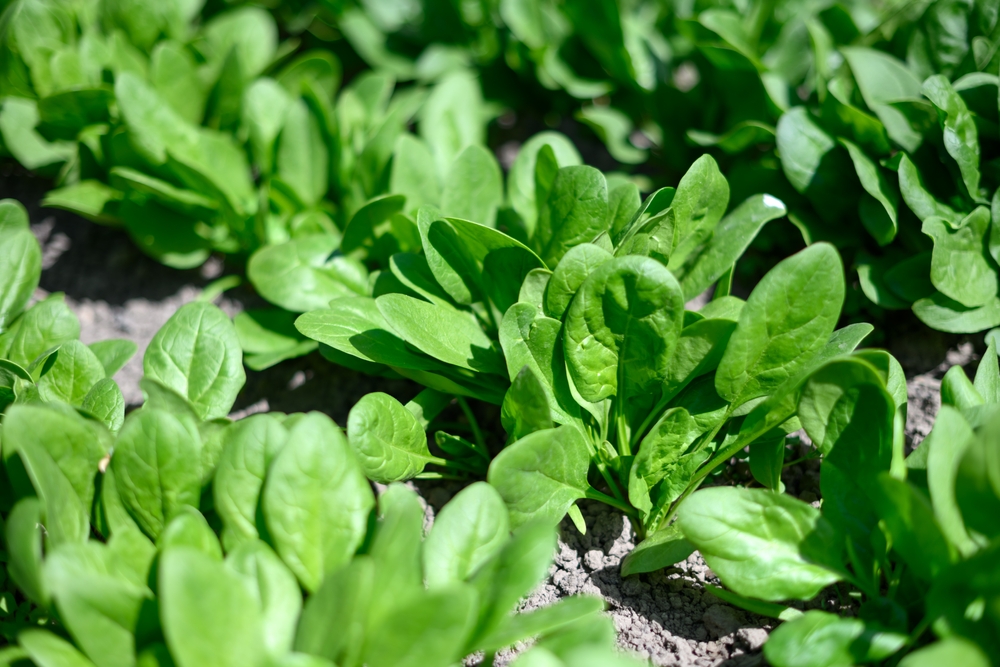
If you’ve ever tasted spinach straight from the garden on a chilly fall morning, you might have noticed something surprising: the leaves can taste sweeter and less bitter than the spinach you harvested during warmer weather. That isn’t just your imagination. Cooler temperatures can actually change the chemistry inside certain vegetables, creating flavors that are difficult to reproduce during the hottest months of summer.
Spinach is particularly well suited to fall gardening because it thrives when temperatures drop and many summer crops stop producing. According to Penn State, cold-tolerant vegetables can accumulate sugars that help protect their cells from freezing, a process associated with sweeter-tasting produce. Understanding why spinach gets sweeter in cold weather can help gardeners time their harvests, improve flavor, and get more value from their vegetable beds.
Cold Temperatures Trigger a Natural Survival Response
The reason spinach can taste sweeter during fall begins with how cold-tolerant plants respond to dropping temperatures. As conditions become chilly, these plants can adjust the concentration of sugars and other dissolved compounds inside their cells to help tolerate cold stress. Some cold-season vegetables break down stored compounds into simpler sugars and amino acids that help protect plant tissues. These changes can also influence flavor, making certain leafy greens taste milder or sweeter after exposure to cool weather. However, the effect varies by variety, growing conditions, and temperature, so not every spinach harvest will develop exactly the same sweetness.
Natural Sugars Help Plants Handle Chilly Conditions
One of the most interesting things about why spinach gets sweeter in cold weather is that the same changes affecting flavor can also support the plant’s survival. Sugars dissolved in plant cells help reduce freezing stress by changing the properties of cellular fluids and contributing to protective processes. Winter sweetening is a natural response observed in several cold-season vegetables, including many leafy greens. This doesn’t mean spinach becomes loaded with sugar like fruit or that freezing temperatures automatically improve every leaf. Instead, gradual exposure to cool weather can alter the balance of compounds responsible for flavor while helping the plant tolerate seasonal changes.
Spinach Actually Prefers Cooler Growing Temperatures
Unlike tomatoes, peppers, and cucumbers, spinach performs best when the weather is relatively cool. Utah State University explains that spinach grows best when temperatures remain below approximately 75 degrees Fahrenheit, while excessive summer heat can reduce quality and encourage bitter flavors. Hot weather and increasing day length can also trigger bolting, when plants shift toward producing flowers and seeds instead of tender leaves. Once spinach bolts, its leaves often become less desirable for eating, which is why many gardeners struggle to grow good spinach during summer. Planting during fall gives spinach an opportunity to develop under conditions that favor leafy growth rather than premature flowering.
A Light Frost Can Improve Flavor Without Ruining the Crop
Many gardeners rush to harvest everything before the first frost, but spinach doesn’t necessarily need to be treated like a tender summer vegetable. The University of Minnesota identifies spinach as a crop capable of surviving light frost and potentially overwintering under suitable conditions. A brief period of chilly weather may contribute to sweeter flavor, especially when plants have gradually adapted to declining temperatures. However, severe freezes, repeated freezing and thawing, and exposed growing conditions can still damage leaves or kill plants. Rather than leaving spinach completely unprotected through extreme cold, consider harvesting some leaves after mild frosts while protecting the remaining plants when harsher weather approaches.
Planting at the Right Time Makes a Big Difference
If you want to experience why spinach gets sweeter in cold weather, planting early enough for the crop to establish is essential. Spinach seeds germinate best when soil temperatures range from approximately 45 to 68 degrees Fahrenheit. The university recommends planting fall spinach roughly six to eight weeks before the average first frost, giving plants time to develop before temperatures become too cold for substantial growth. Gardeners in warmer climates may have a longer fall planting window, while those in colder regions often need to start seeds during late summer. Check your local frost dates and choose a quick-maturing variety if you’re planting later than recommended, since cold weather can slow growth considerably.
Some Spinach Varieties Handle Cold Better Than Others
Choosing the right variety can improve your chances of harvesting tender spinach well into the colder months. Cold-hardy savoy varieties such as Winter Bloomsdale and Tyee are options worth considering for cool-season gardens. Savoy spinach has crinkled leaves that can tolerate chilly conditions, while smooth-leaf varieties are often easier to wash and prepare for salads. Before buying seeds, check the packet for days to maturity, disease resistance, and recommendations for fall or overwintering production. A packet of seeds suited to your climate may provide multiple harvests at a fraction of the cost of repeatedly purchasing fresh spinach at the grocery store.
Harvesting the Right Leaves Can Extend Your Supply
Spinach doesn’t have to be harvested all at once, which makes it especially useful for gardeners trying to stretch their food budgets. You should harvest individual outer leaves while allowing the center of the plant to continue producing new growth. Choose healthy, tender leaves and avoid waiting until they become excessively large, damaged, or tough. During cool weather, plants may grow more slowly, so leaving enough foliage behind helps them continue developing between harvests. This cut-and-come-again approach can provide fresh greens for salads, soups, and cooked dishes without requiring a new planting every time you need spinach.
Simple Cold Protection Can Keep Spinach Growing Longer
Although spinach tolerates chilly weather, inexpensive season-extension methods can protect plants from conditions that would otherwise end the harvest. Gardeners can use protective covers to extend fall spinach production into late autumn or potentially early winter. Lightweight floating row covers and low tunnels can reduce exposure to wind and frost while allowing gardeners to continue harvesting established plants. In particularly cold regions, these coverings may help spinach survive until spring, although growth often slows dramatically during the shortest days of winter. Using reusable hoops and frost fabric can be more economical than purchasing expensive greenhouse equipment, especially for a small raised bed.
Let the Cold Weather Work in Your Garden’s Favor
Understanding why spinach gets sweeter in cold weather gives gardeners another reason to keep their vegetable beds productive after summer ends. Cooler temperatures can improve growing conditions, reduce heat-related bitterness, and encourage natural changes in plant sugars that influence flavor. Fall spinach can produce substantial leaves and may continue providing harvests when protected from freezing conditions. With appropriate planting dates, cold-hardy varieties, and a little frost protection, even a modest garden bed can provide fresh greens long after tomatoes and peppers have stopped producing.
Have you noticed that spinach tastes sweeter after chilly weather, or do you have a favorite variety that keeps producing into fall and winter? Share your experiences and money-saving gardening tips in the comments.
What to Read Next
How to Clean Birdbaths Before Freezing Temperatures Arrive
5 Ways to Build a Temporary Nursery Bed for Bargain Perennials
Leave a Reply