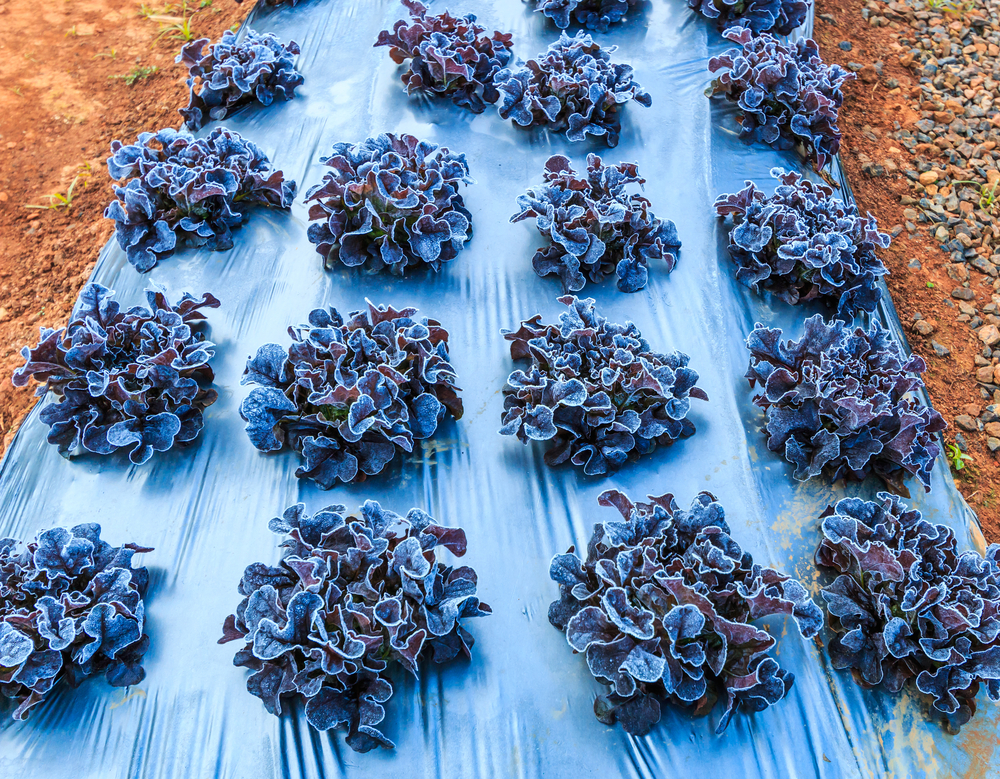
The weather forecast calls for freezing temperatures, and you don’t have a frost blanket handy. You spot an old roll of plastic sheeting in the garage and figure it should work just as well. After all, if plastic keeps rain and wind out, shouldn’t it protect your garden from the cold, too?
Unfortunately, that seemingly clever gardening shortcut can backfire. Plastic sheeting may actually increase cold damage when it touches leaves, and leaving it over plants after sunrise can create another serious problem. According to the University of Georgia, plastic coverings can intensify freezing injury when used incorrectly.
Understanding the risks of using plastic sheeting for frost protection can help gardeners avoid losing valuable vegetables, flowers, and young plants during unexpected cold snaps.
Plastic Can Transfer Cold Directly to Plant Leaves
One of the biggest problems with plastic sheeting is what happens when the material touches delicate foliage. The University of Florida IFAS explains that leaves touching plastic coverings can experience additional cold injury because heat transfers from the foliage to the colder material. Imagine draping a plastic sheet directly over young lettuce plants just before temperatures fall below freezing. Instead of creating a protective pocket of air, the plastic may rest against the leaves and increase damage in those contact areas. That’s why gardening experts recommend keeping plastic elevated above plants rather than allowing it to rest directly on stems and foliage.
Plastic Doesn’t Provide the Insulation Many Gardeners Expect
It’s easy to assume that a thick sheet of plastic automatically provides better protection than a lightweight fabric cover. However, simply draping plastic over plants isn’t an effective strategy when the material touches their leaves. Plastic primarily works by creating an enclosed space that reduces heat loss and traps some warmth released from the ground. Without proper installation, that protective air space may be lost, leaving tender vegetables vulnerable to freezing temperatures. Gardeners should remember that using plastic sheeting for frost protection requires a different approach than simply wrapping plants in an extra layer of material.
Condensation Can Create Additional Problems
Plastic sheeting doesn’t allow air and moisture to move through it the way breathable garden fabric does. Condensation trapped beneath plastic can contribute to problems when moisture collects and freezes on plant surfaces. This is particularly concerning when the material sags against foliage or when the enclosed area remains excessively damp. Persistent moisture can also create conditions favorable to certain plant diseases, especially when airflow is limited for extended periods. If you’re using plastic temporarily, keeping it supported above the plants and providing ventilation when conditions permit can reduce these risks.
Morning Sunshine Can Turn Protection Into a Heat Trap
One of the most surprising dangers of using plastic sheeting for frost protection occurs after the freezing temperatures have passed. The University of Connecticut Home Garden Education Office warns that temperatures beneath plastic-covered tunnels can rise to damaging levels during sunny weather. Even when outdoor temperatures remain relatively cool, trapped solar heat can cause the enclosed growing area to become much warmer. A gardener who leaves for work without removing the plastic may return to wilted or heat-stressed plants that survived the overnight frost. Remove or ventilate plastic coverings as conditions warm, especially when direct sunlight reaches the garden.
Plastic Can Physically Damage Tender Seedlings
Temperature isn’t the only concern when plastic sheeting is placed directly over young plants. Heavy plastic can flatten delicate seedlings, bend stems, and damage leaves when rain or wind causes the material to sag. You can try using hoops to keep protective coverings elevated above vegetables. Simple supports made from flexible PVC pipe, wire, or other sturdy materials can create enough clearance for plants to grow without touching the plastic. For a small raised bed, building a basic tunnel may cost less than replacing an entire planting of damaged lettuce, spinach, or other cool-season crops.
Loose Plastic Can Let Valuable Ground Heat Escape
A properly installed plant covering works partly by retaining warmth released from the soil overnight. According to Iowa State University, covers help trap radiant heat from the ground and reduce the likelihood of frost forming on foliage. If plastic is loosely draped over plants without reaching the soil, much of that protective warmth can escape around the edges. The University of Arizona Cooperative recommends extending coverings to the ground rather than gathering them tightly around a plant’s trunk or stem. Use smooth stones, boards, or sandbags to secure the perimeter while keeping the material supported above the foliage.
Breathable Frost Cloth Is Often a Better Choice
For many home gardeners, breathable frost cloth offers a simpler alternative to plastic sheeting. Appropriate frost fabrics can provide approximately four to eight degrees of protection under favorable conditions, depending on material weight and weather conditions. Unlike plastic, these fabrics allow some air and moisture exchange, making them easier to manage during changing weather. Lightweight floating row covers may be suitable for established, low-growing vegetables, while heavier materials often benefit from support hoops. Although frost cloth isn’t guaranteed to protect plants during severe freezes, it generally requires less intensive ventilation than nonbreathable plastic.
Plastic Can Still Work When Used Correctly
Despite these warnings, using plastic sheeting for frost protection isn’t always a mistake. The NC State Gardener Handbook explains that low tunnels and other protective structures can extend the growing season when properly constructed and managed. Clear plastic stretched over sturdy hoops can create a temporary growing environment that traps warmth and shields plants from cold winds. However, the material should never rest directly against foliage, and gardeners must monitor temperatures and provide ventilation when necessary. Plastic is most useful when treated as part of a managed garden structure rather than an improvised blanket thrown over plants before bedtime.
Some Plants Need More Than a Temporary Cover
Even properly installed plastic sheeting cannot protect every plant from every cold-weather event. Ordinary coverings often become ineffective when temperatures drop below approximately 28 degrees Fahrenheit, particularly during prolonged freezes. Tender vegetables such as tomatoes, peppers, and basil are especially vulnerable, while established kale and spinach generally tolerate colder conditions. Container plants may also need additional protection because their roots are exposed to colder temperatures than roots growing in garden soil. Before relying on any cover, consider the plant’s cold tolerance, the expected overnight low, and how long freezing temperatures are likely to last.
A Better Way to Protect Your Garden From Freezing Temperatures
Understanding the dangers of using plastic sheeting for frost protection can prevent a simple gardening shortcut from becoming an expensive mistake. Protective coverings should extend to the ground without touching plant foliage, and plastic must be ventilated or removed during warm, sunny weather. If plastic is your only available option, use sturdy supports, secure the edges, and check conditions early the following morning. For gardeners who regularly face cold nights, investing in reusable frost cloth may provide a more forgiving and convenient solution.
Have you ever used plastic sheeting to protect your garden from frost, and did it save your plants or leave you dealing with unexpected damage? Share your experiences in the comments.
What to Read Next
The Best Cover Crops to Sow Before Winter Arrives
Your Raised Bed Is Empty — Should You Cover It Before Winter?
Leave a Reply