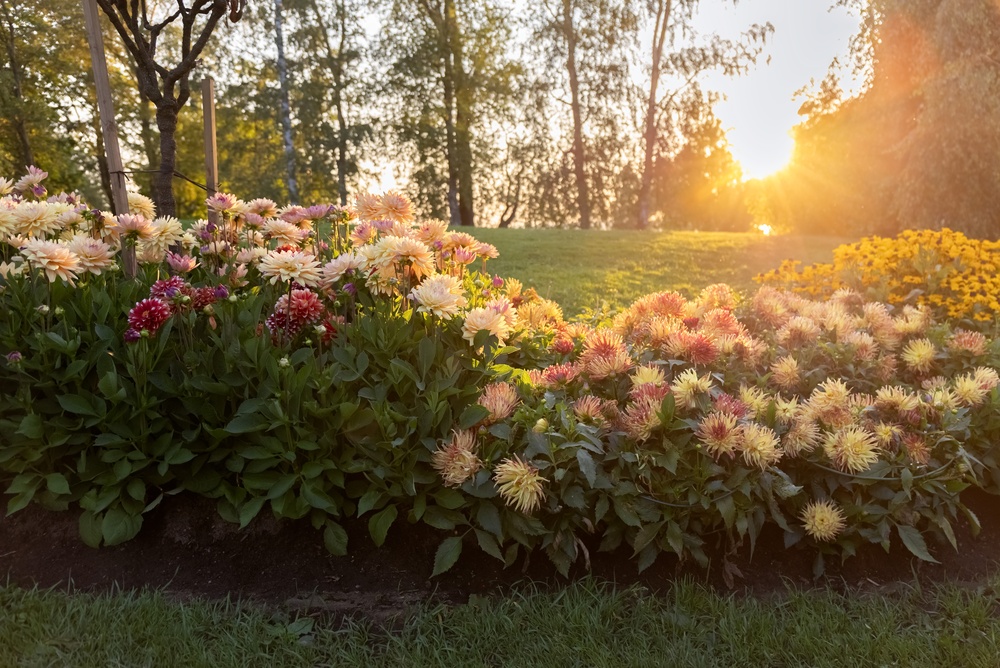
Sunset gardens are quietly transforming backyards into glowing evening retreats filled with color, fragrance, and calming energy that shows up just when the day slows down. These gardens focus on plants that open, shine, or release scent later in the day, creating a space that feels almost cinematic as the sun goes down. Homeowners across the country now look for ways to extend outdoor living beyond daytime hours, especially after busy schedules crowd the daytime. Designers and hobby gardeners alike keep turning toward this trend because it blends beauty, comfort, and practical use of outdoor space. The result creates a new kind of garden experience that feels more like an evening destination than a daytime display.
Unlike traditional gardens that peak at noon, sunset gardens come alive during golden hour and into the night when most people finally step outside to relax. This shift connects directly to lifestyle changes where evenings carry more social and personal value than earlier parts of the day. People now design outdoor spaces that support winding down, sharing meals, or simply enjoying quiet time under softer light.
What Makes a Garden a Sunset Garden
Sunset gardens focus on plants and design choices that peak in the late afternoon and evening hours when light softens, and colors deepen naturally. These gardens often include flowers that open at dusk, plants with pale or reflective petals, and foliage that glows under fading sunlight. Gardeners also position seating areas to face west so the view captures shifting skies and warm tones. The goal centers on creating a space that feels most alive when the day begins to slow down. This intentional timing turns a simple backyard into a calming evening environment that feels thoughtfully curated.
Many sunset garden designs also rely on fragrance to create atmosphere once visibility fades. Night-blooming flowers release stronger scents after sunset, which adds another sensory layer beyond visual appeal. Gardeners choose plants that respond to cooler temperatures and reduced sunlight, allowing the space to change personality as evening approaches. This approach helps outdoor areas feel more dynamic and interactive instead of static throughout the day. The combination of sight and scent creates a layered experience that feels intentional and immersive.
Why Evening Wellness Drives the Trend
Modern routines push many people to seek calm moments after long days filled with screens, traffic, and constant noise. Sunset gardens give that transition a physical space where relaxation feels natural instead of forced. Sitting outside during golden hour helps shift attention away from work stress and toward slower rhythms in nature. Designers now treat these gardens as outdoor wellness zones that support mental recovery without requiring complex setups or expensive equipment. The appeal grows as people look for simple ways to make evenings feel more meaningful.
Evening garden time also encourages social connection in a softer, less structured environment. Families gather outside for dinner, friends meet for late conversations, and individuals enjoy quiet reflection in a space designed for comfort. The lighting conditions during sunset naturally reduce overstimulation, which helps conversations feel more relaxed and present. Garden layouts often include subtle lighting features that guide movement without overpowering the natural glow. This balance of nature and comfort strengthens the emotional value of outdoor spaces.
Plants That Bring Sunset Gardens to Life
Sunset gardens rely on carefully chosen plants that respond to evening conditions with color, fragrance, or movement. Evening primrose, moonflower, and four o’clocks often take center stage because they open when sunlight fades and temperatures drop. These plants create a sense of anticipation since their full display appears only later in the day. Gardeners often combine them with silvery or pale-leafed plants that reflect remaining light and brighten shaded areas. The mix produces a soft glow that feels almost magical without artificial enhancement.
Fragrant plants also play a major role in shaping the evening experience in these gardens. Jasmine, nicotiana, and night phlox release stronger scents at night, which naturally draw people outdoors after sunset. These scents travel more effectively in cooler air, which enhances the overall sensory impact of the space. Gardeners often layer fragrant species near seating areas to maximize enjoyment without overwhelming the space. This thoughtful placement turns simple planting choices into a carefully designed sensory journey.
Design Choices That Make Sunset Gardens Work
Successful sunset gardens depend on layout decisions that guide attention toward the changing sky and evening light. Many designs place seating areas facing west so people can watch the sun set while staying comfortable. Pathways often curve gently to encourage slow movement and reflection instead of fast walking or rushed activity. Materials like stone, wood, and gravel help maintain a natural look that blends into the surroundings. These design choices work together to create a sense of calm structure without feeling rigid or overly planned.
Lighting also plays a subtle but important role in these gardens as daylight fades. Instead of bright overhead fixtures, designers use low, warm lights that highlight plants and walkways without overpowering the natural sunset glow. Solar-powered lanterns and hidden ground lights often provide just enough visibility to keep the space usable after dark. This careful balance ensures the garden remains inviting without losing its evening atmosphere. The overall effect feels intentional, relaxed, and deeply connected to natural cycles.
Why Sunset Gardens Are Becoming a Lasting Backyard Shift
Sunset gardens continue to grow because they match how people actually live, especially when evenings hold more free time than mornings or afternoons. These spaces turn ordinary yards into evening destinations that support relaxation, connection, and sensory enjoyment in a natural way. The focus on timing, scent, and soft lighting creates an experience that feels different from traditional daytime gardening. Homeowners appreciate how these gardens encourage slower routines without requiring constant maintenance or complicated systems. This trend shows how outdoor spaces now evolve into emotional and functional extensions of daily life.
What would you plant first if your backyard transformed into a sunset garden tonight?
You May Also Like…
Why Heat-Tolerant Gardening Is Becoming Essential Across the U.S.
The Gardening Mistake That Can Ruin an Entire Harvest Overnight
8 Spring Sun Favorites That Deliver Strong Growth
The Gardening Warning Experts Are Issuing About Extreme Summer Heat
The Secret to a Non-Stop Summer Harvest? These 7 Vegetables

Brandon Marcus is a staff writer for FrugalGardening.com at District Media, Inc., where he delivers practical gardening advice with a relatable, no-nonsense style. An avid amateur gardener, he holds a BA degree and with over ten years of professional writing experience, he is also an award-winning published author whose first book, Questions For Deep Thinkers, was released by Adams Media. His work has appeared in major publications including Fandom.com, CHUD.com, TheColdWire.com, and Fansided.com.
Leave a Reply