Fall. The sun is setting earlier, the air has that crisp, earthy smell, and the garden seems quieter than usual. But beneath the soil, a miracle is happening.
As daylight fades and temperatures dip, root crops like carrots, beets, radishes, and turnips start bulking up in a last-minute frenzy of growth. It’s the opposite of what you might expect—when everything above ground slows down, everything below ground gets busy. Welcome to one of nature’s strangest little paradoxes: shorter days mean bigger, sweeter, and more flavorful root crops.
The Secret Power Of Shorter Days
Plants are smarter than we give them credit for. They read daylight hours like a calendar, sensing exactly when it’s time to switch from growing leaves to growing roots. When days get shorter, many root crops shift gears—sending energy downward instead of outward. This means that instead of wasting resources on leafy greens, the plant stores sugars, starches, and nutrients underground. The result? Plumper roots, richer flavor, and a harvest that’s often twice as satisfying as mid-summer produce.
Cooler Temperatures Boost Sweetness
If you’ve ever bitten into a fall carrot and noticed it tastes sweeter than the ones you bought in July, you’re not imagining things. As temperatures drop, plants go into survival mode, converting starch into sugar to prevent freezing. This chemical shift gives root vegetables their signature late-season sweetness—the natural antifreeze of the plant world. Cooler soil also slows plant metabolism, meaning the energy it produces stays concentrated in the root for longer periods. The outcome is a denser, juicier, and more flavorful crop that tastes like it was engineered for autumn comfort food.
Less Sunlight Means Less Stress
During the height of summer, plants are under constant pressure to keep up with long daylight hours, rapid photosynthesis, and water loss from heat. When the days shorten, that stress eases dramatically. Root crops thrive under these calmer conditions, directing their focus toward nutrient accumulation instead of survival. Less sunlight doesn’t mean less energy—it means more efficient energy use. The slower pace of photosynthesis actually helps create stronger, more nutrient-rich roots without the frantic energy burn of high summer.
The Science Of Energy Storage
Every carrot, beet, and radish is basically a battery—storing solar energy for future use. During the growing season, plants absorb sunlight through their leaves and convert it into chemical energy through photosynthesis. As days grow shorter, they start banking that energy underground in the form of carbohydrates and minerals. This shift ensures they have enough reserves to regrow when spring returns, but for gardeners, it’s a jackpot of edible goodness. The shorter the days get, the more these underground “batteries” charge up—producing bigger, heartier, and tastier roots.
The Role Of Soil Temperature
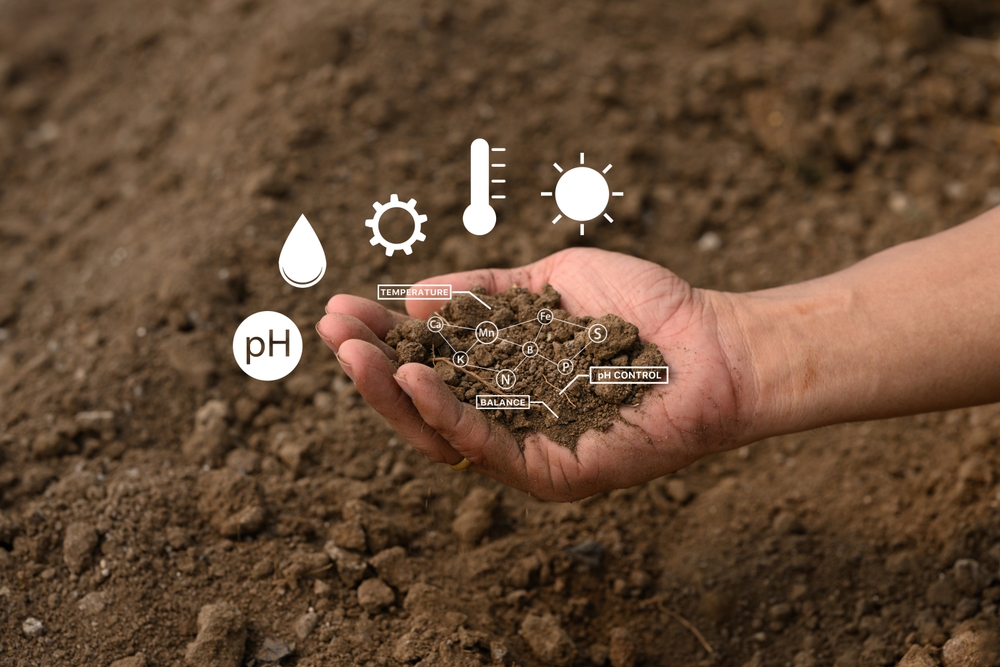
While daylight hours set the biological clock, soil temperature acts as the on/off switch for root development. Warm soil encourages leafy growth, while cool soil tells the plant it’s time to bulk up below the surface. Root crops prefer this chilly environment, where growth slows just enough for them to concentrate nutrients rather than spend them. Consistent coolness also helps roots maintain shape and texture, preventing the woody, fibrous quality that sometimes happens in hot weather. In other words, fall soil is like a luxury spa for your beets and turnips—perfect conditions for deep, restorative growth.
Slower Growth, Bigger Payoff
It sounds counterintuitive, but slow growth often leads to bigger yields. When plants take their time, they develop more complex flavors and firmer textures. Root crops grown in shorter days have the advantage of patience—they don’t rush maturity. Instead, they steadily thicken, storing nutrients layer by layer like nature’s version of compound interest. The end product isn’t just bigger in size but richer in every measurable way—taste, nutrition, and even shelf life.
Timing Is Everything
Knowing when to plant is the secret weapon of every successful gardener. Most root crops thrive when planted late in the summer, giving them just enough time to mature as days shorten. This timing creates a perfect overlap—warm enough to germinate but cool enough to finish strong. The trick is to work backward from your area’s first frost date and plant early enough for roots to reach full size before the deep freeze. With the right schedule, you’ll be harvesting massive, sugar-loaded vegetables just as the rest of your garden is winding down.
Nature’s Built-In Preservation System
Another fascinating perk of shorter days is that root crops actually store themselves better when grown in cooler conditions. Because they’ve been conditioned to handle the cold, post-harvest storage becomes much easier. Those sweet sugars and natural starches act like preservatives, keeping the crops fresh for weeks—or even months—after harvest. Farmers have known this for centuries, which is why root cellars became the classic winter pantry. The shorter the day and colder the ground, the longer your carrots and beets will stay crisp, sweet, and vibrant.
The Fall Harvest Advantage
Harvesting in fall doesn’t just give you bigger roots—it gives you better ones. The texture is smoother, the colors deeper, and the flavor remarkably complex. Even professional chefs prefer late-season root crops because they caramelize beautifully when roasted and hold their flavor in soups and stews. Shorter days essentially help nature season your food before you even pick it. It’s like getting a free upgrade on your produce just by letting the seasons do their thing.
How Gardeners Can Maximize the Magic
If you want to take full advantage of shorter days, think strategy. Choose varieties known for cool-weather performance, and make sure your soil stays rich and loose for easy root expansion. Water consistently but avoid overwatering—roots need oxygen as much as they need moisture. Mulching helps maintain even soil temperatures and keeps weeds from stealing precious nutrients. With just a bit of planning, you can turn your late-season garden into a root paradise that rewards you with the sweetest, biggest, and most beautiful vegetables of the year.
The Underground Secret of Fall’s Bounty
When you look at your garden this fall, remember that the real action isn’t happening above ground—it’s happening under your feet. Shorter days might make the world seem sleepy and slow, but for root crops, it’s prime time to shine. They’re busy storing sunlight, sugar, and strength for the colder days ahead, transforming ordinary soil into a hidden harvest of abundance. If you’ve ever marveled at the sweetness of a fall carrot or the heft of a late-season beet, now you know why.
Have your own root-growing secrets or autumn garden triumphs? Share your thoughts and stories in the comments below.
You May Also Like…
8 Seedlings That Transplant Better in Cool Weather
5 Old Wives’ Tales About Fall Gardening Debunked
How Crop Rotation Planning Starts in Autumn
7 Crops That Love Shorter Days
5 Quick Tips To Rescue Your Plants From Root Rot

Brandon Marcus is a staff writer for FrugalGardening.com at District Media, Inc., where he delivers practical gardening advice with a relatable, no-nonsense style. An avid amateur gardener, he holds a BA degree and with over ten years of professional writing experience, he is also an award-winning published author whose first book, Questions For Deep Thinkers, was released by Adams Media. His work has appeared in major publications including Fandom.com, CHUD.com, TheColdWire.com, and Fansided.com.
Leave a Reply