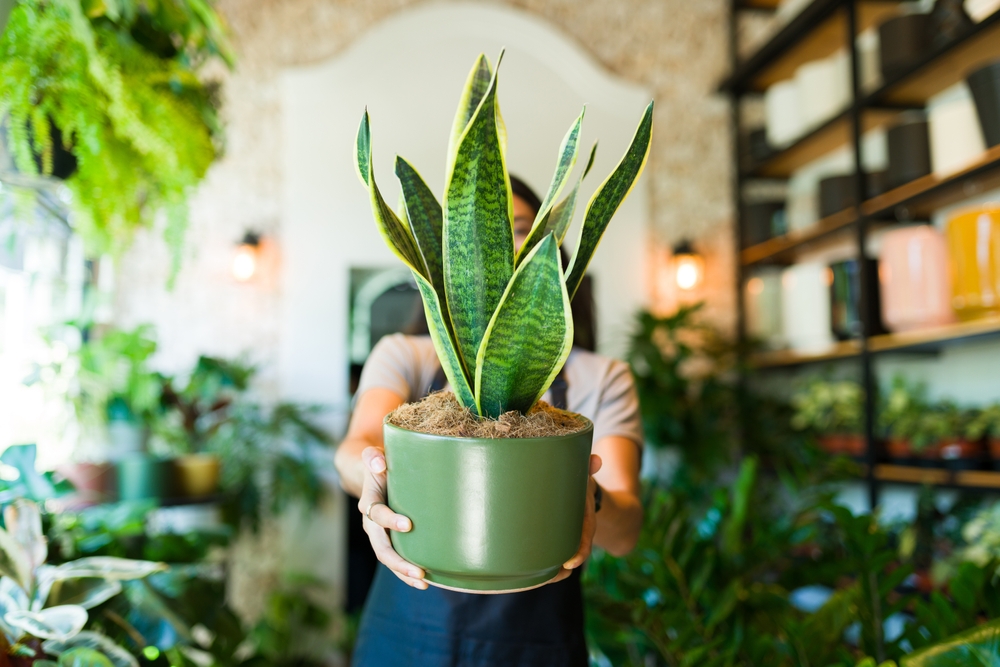
If you’ve ever killed a plant just by looking at it funny, then get ready for some good news. There’s a botanical superstar lurking quietly in the world of houseplants that thrives where most greenery would sulk and wither. It laughs in the face of neglect, grins at dim corners, and barely needs your attention to flourish. This plant isn’t fussy about sunlight, watering schedules, or fancy soil mixes—it’s basically the hero your black thumb has been waiting for.
Meet the unassuming but unstoppable snake plant, your new green companion that makes gardening feel less like a chore and more like magic.
Snake Plants Are Surprisingly Hardy
Snake plants, also known as Sansevieria, are practically indestructible. They can survive long stretches of neglect, from missed waterings to forgetful placement in shadowy nooks. Unlike many tropical plants that sulk without constant attention, snake plants thrive in low light and moderate temperatures. Their rigid, upright leaves are not only dramatic and sculptural but incredibly resilient. These plants can withstand droughts and still look like they just walked off a botanical runway.
They Are Natural Air Purifiers
Beyond their impressive survival skills, snake plants are bona fide air cleaners. NASA even studied them and found that they filter out toxins like formaldehyde, benzene, and trichloroethylene from indoor air. By converting CO₂ into oxygen even at night, they improve the air quality in bedrooms, offices, and living rooms. This makes them an eco-friendly companion that’s as practical as it is gorgeous. You might not notice it, but your snake plant is quietly working to make your home healthier every day.
Minimal Watering Makes Life Easy
Watering a plant can be tricky, but snake plants make it nearly impossible to mess up. They prefer their soil to dry out completely between waterings, which means weekly, biweekly, or even monthly attention is often fine. Overwatering is the real danger, but as long as you avoid turning their roots into a swamp, they’ll reward you with growth. This makes them perfect for busy people, forgetful caretakers, or those who travel often. It’s like having a pet that thrives on independence and requires almost no supervision.
Low-Light Tolerance Is Exceptional
Many plants starve without bright sunlight, but snake plants thrive in dim corners and shaded rooms. They can grow in fluorescent-lit offices, north-facing apartments, or any place sunlight is limited. Their ability to adapt to various light levels is unmatched, making them ideal for spots that would doom most other greenery. While they grow faster with some indirect sunlight, they remain remarkably healthy in low-light conditions. This flexibility is why they’re often the first recommendation for beginner plant owners.
Easy Propagation Expands Your Collection
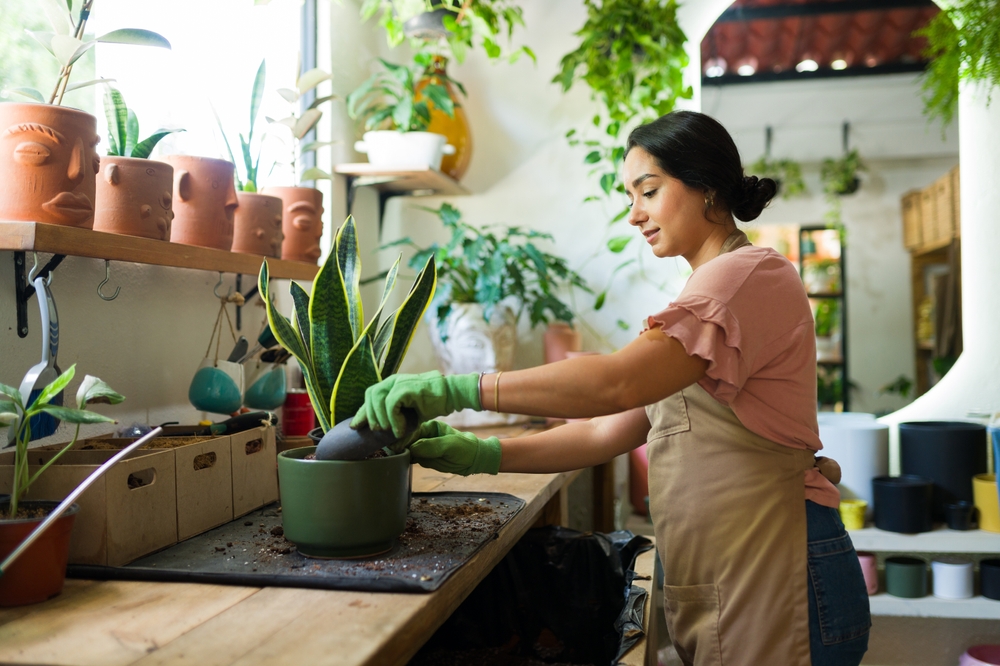
Snake plants aren’t just easy to maintain; they multiply effortlessly. Leaf cuttings or divisions from mature plants can quickly produce new babies, expanding your indoor jungle. With minimal effort, you can create a mini army of snake plants to decorate your home or gift to friends. Their growth might surprise you because even a small leaf cutting can root and flourish in a few months. This makes them both a forgiving starter plant and a rewarding hobby for those who enjoy gardening experiments.
Stylish Design Adds Visual Impact
These plants are not only functional but striking in appearance. Their tall, sword-like leaves with variegated patterns add height, drama, and texture to any space. They fit seamlessly into modern, minimalist, or eclectic interiors without looking out of place. Their architectural shape makes them stand out even when other plants fade or flop. You don’t need to be a plant stylist to make your home look curated—snake plants do the work for you.
Pests Are Rare And Manageable
One of the biggest frustrations with houseplants is dealing with insects and disease, but snake plants are surprisingly low-maintenance in this department. They rarely attract pests and are resistant to most common plant illnesses. A simple wipe of the leaves occasionally is usually enough to keep them clean and vibrant. This means fewer headaches and more time enjoying the beauty of greenery. For anyone who has struggled with spider mites or aphids, this is a welcome relief.
Snake Plants Boost Mood And Productivity
Owning a snake plant isn’t just a visual win—it can actually improve your wellbeing. Studies show that indoor plants can reduce stress, improve concentration, and even boost productivity. By placing a snake plant near your desk or in your living space, you may feel calmer and more focused. Their low-maintenance nature means you reap these psychological benefits without extra effort. It’s like having a tiny wellness coach that also doubles as stylish décor.
Perfect For Beginners And Experts Alike
Whether you’re a complete newbie or a seasoned plant enthusiast, snake plants fit seamlessly into your life. They require little expertise to keep alive and still provide satisfaction and growth over time. Experienced growers enjoy propagating and experimenting with new varieties, while beginners relish their forgiving nature. They’re adaptable, rewarding, and reliably beautiful. This rare combination is why snake plants have earned a reputation as one of the easiest plants to grow anywhere.
Your New Low-Light Green Companion
Snake plants aren’t just plants—they’re quiet heroes of the indoor gardening world. They survive neglect, purify air, tolerate dim corners, and look amazing while doing it. Anyone can grow them, from the busiest professional to the most forgetful houseplant parent. Their charm, resilience, and ease make them one of the most rewarding plants to introduce into any space.
Tell us your experiences or tips with snake plants in the comments section below—we’d love to hear how this low-light wonder thrives in your home.
You May Also Like…
10 Ornamental Plants That Glow in Fall Sunlight
9 Ways to Use Garden Lights & Reflective Surfaces to Make Winter Plants Pop
How to Repurpose Leftover Holiday Lights for Garden Use
Top 6 Affordable Grow Lights for Thriving Indoor Plants
The Hidden Benefits of Bare Branches — How Sunlight Changes Your Garden Layout

Brandon Marcus is a staff writer for FrugalGardening.com at District Media, Inc., where he delivers practical gardening advice with a relatable, no-nonsense style. An avid amateur gardener, he holds a BA degree and with over ten years of professional writing experience, he is also an award-winning published author whose first book, Questions For Deep Thinkers, was released by Adams Media. His work has appeared in major publications including Fandom.com, CHUD.com, TheColdWire.com, and Fansided.com.
Leave a Reply