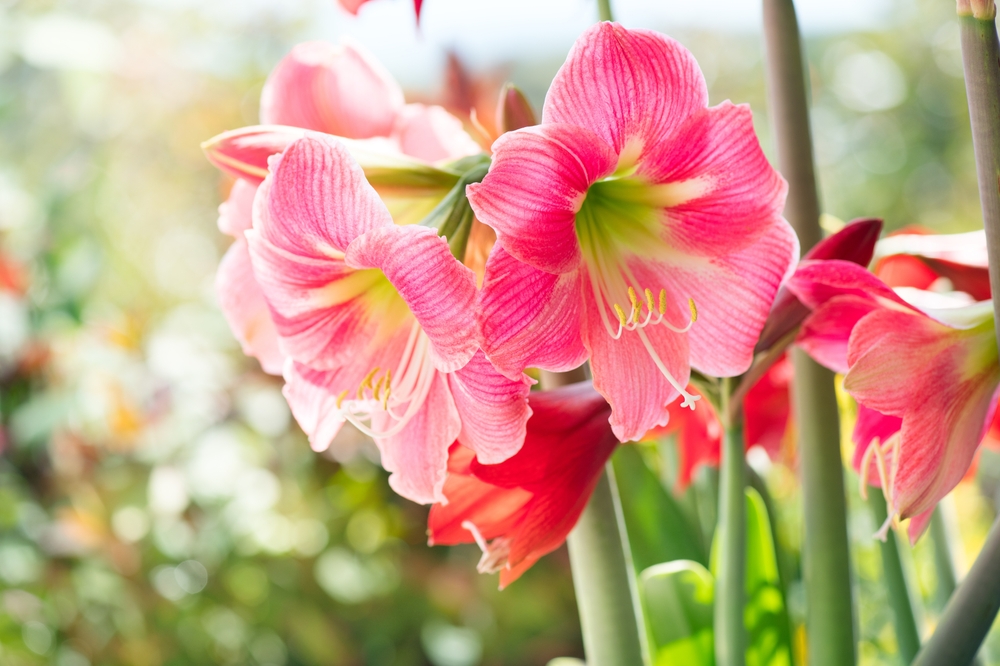
The holidays have a funny way of turning even the most casual plant owner into a full-blown indoor gardener. Suddenly, everyone wants flowers exploding out of pots just in time for December festivities, and oddly enough, amaryllis and paperwhites are the stars of the season.
There’s something magical about watching tall green stems rocket upward in winter while everything outside freezes into a half-dead gray mush. But the real secret isn’t just planting them—it’s forcing them, a wonderfully dramatic term that simply means coaxing blooms on your schedule instead of theirs. And once you know how to do it, you’ll feel like you’ve unlocked some ancient botanical cheat code.
Understanding What “Forcing” Really Means
Forcing bulbs is essentially tricking plants into believing they’ve gone through the seasons they need in order to bloom. Amaryllis and paperwhites are especially popular because they don’t require the long, cold dormancy that many spring bulbs need before they flower. This makes them perfect for beginners or impatient gardeners who want a holiday payoff without months of preparation. When you force these bulbs indoors, you control everything—light, warmth, and watering—and that control is the entire trick. Once you understand how to mimic the growing conditions they crave, those luxurious winter blooms become almost effortless.
Choosing The Best Bulbs For Success
Not all bulbs are created equal, and forcing works best when you start with the biggest, firmest bulbs you can find. Larger bulbs have more stored energy, which leads to stronger stems and more dramatic blooms. A plump amaryllis bulb can even give you multiple flower stalks, making you look like an expert even if this is your first attempt. Paperwhite bulbs should also feel dense and heavy for their size, since that’s a sign they are ready to burst into bloom with very little prompting. Taking the time to select quality bulbs pays off because everything that happens next becomes easier and more rewarding.
Preparing Amaryllis For Their Holiday Debut
Amaryllis bulbs love a snug container, so choose a pot that leaves no more than an inch of space around the bulb. Plant them so the top third of the bulb sticks out of the soil, because burying them too deeply can cause rot and ruin your big holiday moment. Once planted, give them a good drink of water and then leave them alone until growth begins, as these bulbs don’t appreciate soggy soil. After a week or two, you’ll see a thick green shoot emerging, and that’s your cue to place the pot in bright, warm light. With consistent care, those dramatic trumpet-shaped flowers will burst open right on schedule, stealing the show from anything else you decorated.
Getting Paperwhites To Bloom On Command
Paperwhites are even easier to force because they don’t need soil at all—they’ll bloom happily in nothing more than decorative stones and water. Place the bulbs with their bases nestled among the stones, then add water just until it touches the bottom of the bulbs. Within days, roots begin to appear, followed quickly by long, elegant stems that grow at almost comical speed. Since paperwhites don’t require a chilling period, they’re ideal for last-minute gardeners who suddenly remember they promised festive blooms by Christmas Eve. In a warm room, these bulbs can go from dry and dormant to snowy white flowers in as little as three weeks.
Controlling Growth For The Best Results
The key to elegant indoor blooms is temperature control, because warmth speeds growth and cooler temperatures slow it down. If your paperwhites start growing too tall and floppy, moving them to a slightly cooler location will help them stand straighter and bloom more gracefully. For amaryllis, rotating the pot every few days prevents the stalk from leaning dramatically toward the nearest window, a common rookie mistake. You’ll also want to resist the temptation to overwater, since these bulbs prefer to stay a bit on the dry side as they develop. With a few simple adjustments, you’ll be amazed at how well you can shape the timing and appearance of each bloom.
Timing Everything To Hit Peak Holiday Bloom
Working backward is the best strategy: count three to eight weeks, depending on the bulb variety and growing conditions. Amaryllis generally takes six to eight weeks, while paperwhites need only three to five weeks to reach full bloom. This means you can stagger your plantings if you want waves of fresh flowers throughout the entire holiday season. Start a batch in early November, another in late November, and suddenly your home becomes a December greenhouse of color and fragrance. And if you miss the perfect timing by a few days, don’t worry—holiday guests will still be impressed by any sign of bright life in the dead of winter.
Enjoying Your Blooms And Extending Their Life
Once those buds open, both paperwhites and amaryllis thrive best away from direct heat sources like fireplaces and radiators. Cooler rooms help the blooms last longer, giving you extra days of beauty before the petals fade. Amaryllis flowers, in particular, can last surprisingly long if you turn the plant occasionally and keep it from drying out completely. Paperwhites may not last quite as long, but their intense fragrance and quick bloom cycle make up for it. Treat your forced bulbs like the holiday divas they are, and they’ll reward you with stunning indoor displays that feel almost magical.
Bring Holiday Magic To Your Home
Forcing amaryllis and paperwhites is one of the easiest ways to bring color, fragrance, and life into your winter season. The process is simple, surprisingly fun, and endlessly satisfying once you see those first green shoots stretch upward. Whether you’re a seasoned gardener or a complete beginner, these bulbs give you a sense of accomplishment with very little effort. Now that you know the trick to controlling bloom timing, you can turn every December into a personal indoor flower festival.
Have you tried forcing bulbs before? Share your stories, successes, or hilarious failures in the comments section.
You May Also Like…
- The Bed-Cleaning Trick That Makes Your Compost Work Twice as Fast
- Force These Bulbs Indoors for the Brightest Winter Blooms
- 7 Garden Gnomes Perfect for Gifting This Holiday Season
- The Garden Fence Test: How to Tell If Yours Will Survive the Snow
- 11 Seed Starting Supplies to Buy in Autumn Sales

Brandon Marcus is a staff writer for FrugalGardening.com at District Media, Inc., where he delivers practical gardening advice with a relatable, no-nonsense style. An avid amateur gardener, he holds a BA degree and with over ten years of professional writing experience, he is also an award-winning published author whose first book, Questions For Deep Thinkers, was released by Adams Media. His work has appeared in major publications including Fandom.com, CHUD.com, TheColdWire.com, and Fansided.com.
Leave a Reply