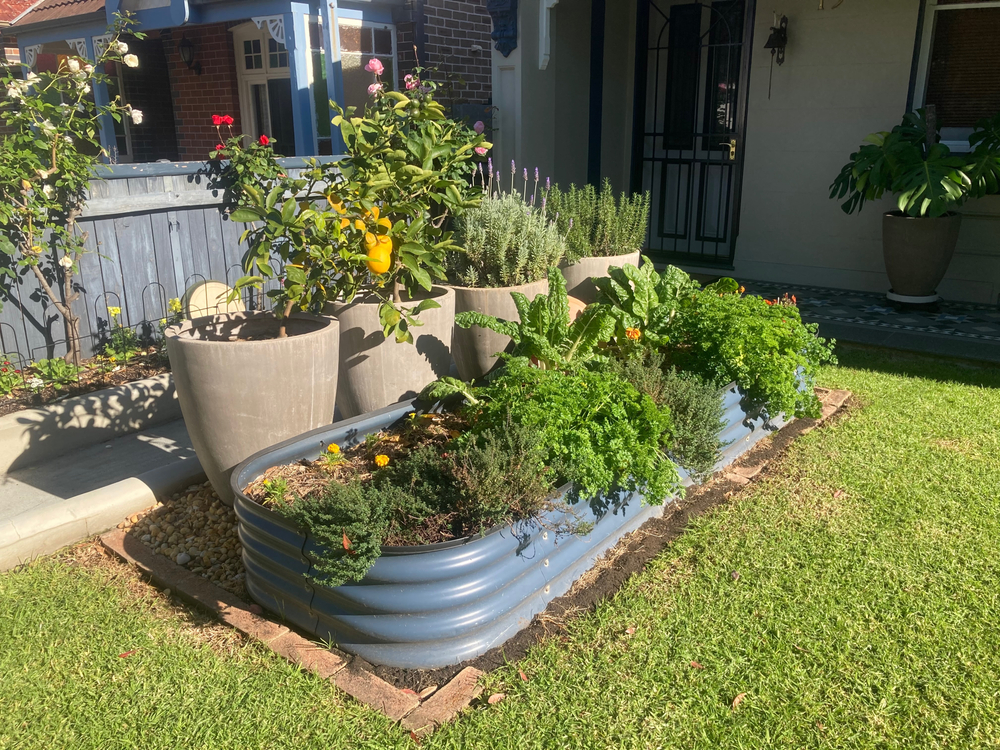
An immaculate green lawn looks tidy, predictable, and strangely expensive. That quiet hum of a lawnmower on a Saturday morning sounds like routine, but it also sounds like dollars flying out the door. Every blade of grass demands water, fuel, fertilizer, and time, yet it gives nothing back except a temporary sense of order. That trade-off feels less charming once grocery prices climb and fresh produce starts to feel like a luxury. A front yard doesn’t need to sit there as a decorative expense when it can pull its weight and then some.
Picture a yard that doesn’t just sit still but actually produces something valuable. Tomatoes glow in the sun, herbs release their scent with every step, and leafy greens grow within arm’s reach of the front door. That shift changes the entire relationship with the space outside. Instead of maintaining something that drains resources, the yard becomes an active contributor to the household. The real surprise comes when the numbers start to add up and the lawn reveals itself as one of the most expensive habits hiding in plain sight.
The Grass Illusion: Why Lawns Drain More Than They Give
Grass carries a reputation for simplicity, but that reputation hides a long list of demands. A typical lawn needs regular watering, especially in warmer climates, and that water bill climbs fast during dry months. Add fertilizer to keep that uniform green color, then toss in weed control products, and suddenly the “simple” lawn turns into a recurring expense. Gas-powered mowers or electric tools add their own costs through fuel, maintenance, or electricity use, and none of those costs produce anything edible or practical. The result feels like paying a subscription fee for appearance alone, which starts to lose its charm when budgets tighten.
Time plays an even bigger role than most people admit. Weekly mowing, edging, watering schedules, and seasonal care eat into hours that could go toward something more rewarding. That time carries value, even if it doesn’t show up on a bill, and it adds to the real cost of keeping a lawn alive. Many homeowners chase that flawless look, but perfection requires constant attention and never truly lasts. One hot week, one heavy rain, or one pest outbreak can undo all that effort, forcing the cycle to start again. That fragile balance makes the lawn feel less like a feature and more like a demanding obligation.
The environmental cost also deserves attention. Lawns often require more water than native plants or food gardens, especially in regions that already struggle with water availability. Fertilizers and pesticides can run off into local waterways, affecting ecosystems beyond the yard itself. Those impacts stack up over time, turning a small patch of grass into part of a much larger issue. When viewed from that angle, the lawn stops looking harmless and starts looking inefficient on multiple levels. That realization opens the door to something far more useful.
From Decoration to Dinner: Turning Your Yard Into a Food Source
An edible front yard flips the entire purpose of outdoor space. Instead of focusing on uniformity, it focuses on productivity and diversity, which leads to healthier soil and a more resilient garden. Vegetables like tomatoes, peppers, and leafy greens thrive in many climates, while herbs such as basil, rosemary, and mint offer flavor without much fuss. Fruit-bearing plants, including strawberries or dwarf citrus trees, add long-term value with relatively low maintenance once established. Each plant contributes something tangible, which makes every square foot of the yard feel purposeful.
Starting small keeps the process manageable and enjoyable. Replacing a section of grass with raised beds or planting along walkways creates a gradual transition rather than a complete overhaul. That approach allows experimentation with what grows best in the specific environment without overwhelming the space. Soil quality plays a crucial role, so adding compost and organic matter sets a strong foundation for healthy plants. Sunlight patterns should guide plant placement, ensuring that each crop gets the light it needs to thrive. With a little planning, even a modest yard can produce a surprising amount of food.
The financial benefits become clear once the first harvest arrives. Grocery trips shrink when fresh herbs and vegetables come straight from the yard, and the quality often surpasses store-bought options. Seasonal produce no longer feels like a splurge when it grows just outside the door. Over time, the savings add up, especially for items that tend to cost more at the store. That shift transforms the yard into a source of both nourishment and financial relief. It also creates a sense of independence that a traditional lawn could never provide.
Curb Appeal With a Twist: Yes, It Can Look Incredible
Concerns about appearance often hold people back from making the switch, but an edible yard doesn’t have to look messy or chaotic. Thoughtful design can create a space that feels both productive and visually appealing. Raised beds with clean lines, neatly arranged rows, and a mix of colors and textures can rival any traditional landscaping. Edible plants often bring more visual interest than grass, with vibrant greens, deep reds, and bright yellows adding depth to the yard. That variety creates a dynamic look that changes with the seasons, keeping the space fresh and engaging.
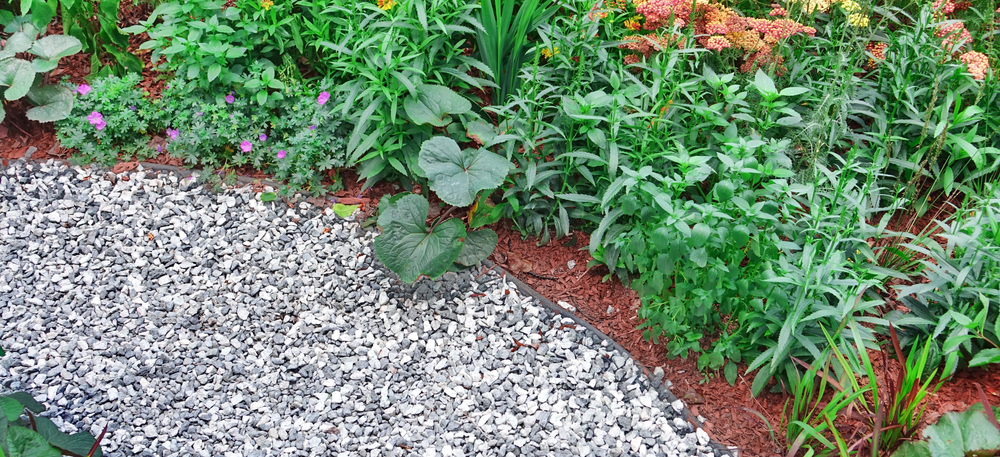
Pathways and borders help maintain structure while allowing plants to take center stage. Gravel, stone, or wood chips can define areas and guide movement through the yard, creating a sense of order. Vertical gardening adds another layer of design by using trellises or supports for climbing plants like beans or cucumbers. That approach maximizes space while adding height and visual intrigue. Even small details, such as decorative planters or coordinated layouts, can elevate the overall aesthetic. The result feels intentional rather than improvised, which makes a strong impression from the street.
Neighbors often respond with curiosity and admiration once the concept becomes visible. An edible yard stands out because it breaks away from the expected uniform lawn. That uniqueness can inspire others to rethink their own spaces, creating a ripple effect in the community. It also opens opportunities to share excess produce, which builds connections and adds a social benefit to the garden. Instead of blending in, the yard becomes a conversation starter that combines beauty with purpose. That combination proves that practicality and style can coexist without compromise.
What to Plant and Why It Matters
Choosing the right plants makes all the difference in creating a successful edible yard. Climate, soil type, and available sunlight should guide every decision, ensuring that each plant has the best chance to thrive. Hardy, low-maintenance crops often deliver the best return on effort, especially for beginners. Herbs like thyme, oregano, and chives require minimal care while offering consistent harvests throughout the season. Leafy greens such as spinach and kale grow quickly and provide multiple harvests, making them both efficient and rewarding.
Perennial plants add long-term value by returning year after year without needing to be replanted. Berry bushes, asparagus, and certain herbs fall into this category, reducing the need for constant upkeep. These plants create a stable foundation for the garden while freeing up space for seasonal crops. Companion planting can also boost productivity by pairing plants that support each other’s growth. For example, some plants can naturally repel pests or improve soil conditions for their neighbors. That strategy reduces the need for chemical interventions and keeps the garden more sustainable.
Water management plays a critical role in maintaining a healthy edible yard. Drip irrigation systems or strategic watering schedules can reduce waste while keeping plants properly hydrated. Mulching helps retain moisture and suppress weeds, cutting down on maintenance time and effort. These techniques not only support plant health but also lower ongoing costs, reinforcing the financial benefits of the garden. With the right choices and a bit of planning, the yard can deliver consistent results without demanding constant attention. That balance makes the transition from lawn to garden feel both practical and rewarding.
More Than Just Savings
An edible front yard offers benefits that extend far beyond the grocery bill. Freshly harvested produce often contains more nutrients than items that travel long distances to reach store shelves. That difference contributes to better overall health while adding flavor and variety to meals. The act of growing food also creates a deeper connection to what ends up on the plate, which can influence healthier eating habits. That connection turns everyday meals into something more intentional and satisfying.
The mental and emotional benefits deserve just as much attention. Gardening encourages time outdoors, which can reduce stress and improve overall well-being. The process of planting, tending, and harvesting creates a sense of accomplishment that builds over time. Watching something grow from seed to harvest provides a tangible reward that feels both grounding and motivating. That experience adds a layer of fulfillment that goes far beyond financial savings.
Communities can also benefit from the shift toward edible landscaping. Shared knowledge, seed exchanges, and even informal produce swaps can strengthen local connections. A single yard can inspire others to explore similar ideas, creating a network of small-scale food producers. That collective effort can make neighborhoods more resilient and less dependent on external food sources. The impact reaches further than expected, proving that one small change can ripple outward in meaningful ways.
Rethink the Yard, Reclaim the Value
The front yard doesn’t have to remain a silent expense that demands time, money, and effort without giving anything back. Swapping grass for food transforms that space into something dynamic, productive, and genuinely rewarding. The shift doesn’t require perfection or a massive overhaul, just a willingness to rethink what the yard can do. Every plant that replaces a patch of grass brings the space closer to paying for itself, both financially and nutritionally. That change turns routine maintenance into an opportunity for growth in every sense of the word.
What would that space look like with rows of fresh herbs, vibrant vegetables, or fruit ready to pick just steps from the front door? Share thoughts, ideas, or even plans for transforming a yard into something edible and exciting in the comments.
You May Also Like…
6 Small-Space Edible Garden Ideas That Produce Big Harvests
EPA Flags a Popular Garden Hose Brand for Leaching Chemicals Into Edible Crops
9 Edible Weeds That Pop Up in September
The $10 Grocery Bill: 5 High-Yield Veggies That Pay for Themselves in Weeks
The Garden Feature That Attracts Coyotes to Suburban Backyards

Brandon Marcus is a staff writer for FrugalGardening.com at District Media, Inc., where he delivers practical gardening advice with a relatable, no-nonsense style. An avid amateur gardener, he holds a BA degree and with over ten years of professional writing experience, he is also an award-winning published author whose first book, Questions For Deep Thinkers, was released by Adams Media. His work has appeared in major publications including Fandom.com, CHUD.com, TheColdWire.com, and Fansided.com.
Leave a Reply