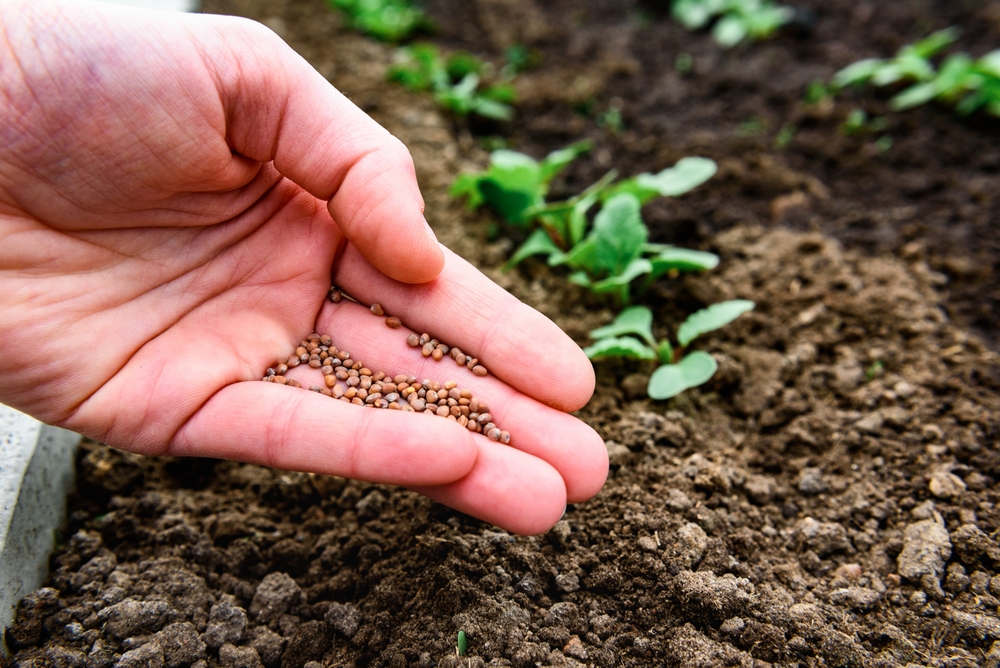
A seed packet that costs a couple of dollars can look like a garden bargain, but the cheapest seeds do not always produce the cheapest vegetables. A crop can demand more water, fertilizer, garden space, support, pest control, or time than another vegetable with a slightly pricier packet. That changes the math considerably once the first green shoots appear.
Gardeners who want to save money should look beyond the price printed on the packet and ask a more useful question: how much food can this crop produce for the resources it consumes? That question makes certain vegetables look much more attractive, especially crops that keep producing after the first harvest instead of giving up their entire crop in one dramatic garden finale. A little arithmetic at planting time can prevent a lot of head-scratching later.
Seed Price Is Only the Opening Bid
Seed cost matters, of course, and some vegetables offer an impressively cheap entry point. Lettuce, radishes, beans, beets, carrots, and other crops often come with inexpensive packets that can fill a garden bed with potential food without demanding much money upfront. But the packet price tells only part of the story because seeds need a place to grow, and that place carries its own costs.
Consider two vegetables with similarly inexpensive seeds: one produces a single harvest and occupies valuable garden space for weeks, while the other keeps producing new vegetables after each picking. The second crop can deliver considerably more food from the same patch of soil. That distinction matters even more in a small garden, where every square foot needs to earn its keep rather than lounging around like a decorative lawn ornament.
Productive Crops Can Beat Cheap Seeds
Bush beans offer a useful example because they can produce repeated harvests from a relatively compact planting. Gardeners can pick the pods while they remain tender, and the plants can continue producing as long as growing conditions remain favorable and the plants stay healthy. Pole beans can stretch that productivity even further vertically, although they require a sturdy support system that adds some upfront work and possibly some material cost.
Zucchini can also make a strong case for inexpensive garden food because a small planting can produce a steady supply of squash during the growing season. The catch comes when zucchini plants consume substantial space or encounter powdery mildew, squash bugs, vine borers, or poor pollination. A crop that produces mountains of food sounds like the ultimate bargain until the gardener spends half the summer defending those mountains from pests or searching for increasingly creative ways to use the harvest.
Space Changes the Entire Calculation
Garden space has value, even when the garden itself sits in a backyard rather than on a commercial farm. A sprawling crop can occupy an area that could support several compact vegetables, herbs, or succession plantings, so the cheapest crop by seed price might actually deliver less food from the available soil. Cucumbers provide a good example because they can spread across the ground unless gardeners train them onto a trellis.
Vertical growing can change that equation by moving vines upward and freeing ground space for other crops. Trellising does require materials and regular attention, so gardeners should count those resources when comparing costs instead of pretending the support appeared by magic. The same principle applies to tomatoes, peas, and other climbing crops, where a cheap packet can become a more expensive project once cages, stakes, string, or trellises enter the picture.
Time Counts as a Gardening Expense
Money represents only one gardening resource, and time deserves a seat at the table. Some vegetables need frequent harvesting, regular pest checks, thinning, staking, watering, or succession planting, while others require comparatively little attention once they establish themselves. A vegetable that saves a few dollars but demands constant maintenance may not feel like a bargain by midsummer.
Root crops illustrate another wrinkle because they can require careful soil preparation before the seeds ever reach the ground. Carrots, for example, prefer loose soil without large clods, stones, or compacted areas that can interfere with root development. That preparation does not make carrots a bad value, but it shows why the cheapest seed packet cannot serve as the only measuring stick when planning a frugal garden.
The Best Bargain May Be the Vegetable That Gets Eaten
Food waste can quietly wreck an otherwise economical garden. A crop that produces an enormous harvest has little financial value if much of it becomes overripe, forgotten, or destined for the compost pile because the household cannot use it quickly enough. Growing vegetables that fit actual eating habits can save more money than chasing maximum production from every available inch.
That makes familiar favorites especially useful for budget-minded gardeners. If a household regularly eats green beans, lettuce, peppers, or tomatoes, those crops can provide meaningful value even when another vegetable costs less to grow. The smartest garden does not simply produce the greatest volume of food; it produces food that actually makes it from the garden into meals.
A Better Way to Compare Garden Costs
Before choosing seeds, consider five things: the price of the seeds, the amount of space the crop needs, the supplies it requires, the amount of maintenance it demands, and how much usable food it can provide. That simple checklist reveals why a slightly more expensive packet can sometimes make better financial sense than the absolute cheapest option on the seed rack. It also encourages gardeners to consider the entire growing process rather than focusing on one tiny number.
A productive vegetable that fits the garden, receives manageable care, and gets eaten regularly can offer excellent value without requiring complicated calculations. Seeds still matter, but they represent the beginning of the expense rather than the entire bill. When the goal involves saving money, the winning vegetable is usually the one that turns modest inputs into food efficiently, reliably, and with as little waste as possible.
The Real Garden Bargain Grows Beyond the Seed Packet
The cheapest vegetable to grow rarely comes down to the cheapest packet of seeds. Yield, space, water, supplies, maintenance, pest pressure, and food waste all influence the final value of a crop. Gardeners can often save more by choosing productive vegetables that match their available space and eating habits than by simply grabbing whichever packet costs the least.
A garden should make the grocery budget easier, not create a second shopping list for stakes, supports, amendments, replacement plants, and supplies. That does not mean gardeners should avoid crops that need extra care, because some of the most rewarding vegetables require a little investment. It simply means every crop deserves a closer look before earning a spot in limited garden space.
Which vegetable has given you the best harvest for the least money and effort in your garden?
You May Also Like…
6 Ways to Save Seeds Without Ruining Next Year’s Germination
Can You Use Old Window Screens to Dry Garden Seeds?
7 Plants That Offer Seeds Birds Can Eat Through Fall
7 Fall Vegetables That Can Handle Cooler Nights Better Than You Think
9 Vegetables You Can Still Plant in September for a Fall Harvest

Brandon Marcus is a staff writer for FrugalGardening.com at District Media, Inc., where he delivers practical gardening advice with a relatable, no-nonsense style. An avid amateur gardener, he holds a BA degree and with over ten years of professional writing experience, he is also an award-winning published author whose first book, Questions For Deep Thinkers, was released by Adams Media. His work has appeared in major publications including Fandom.com, CHUD.com, TheColdWire.com, and Fansided.com.
Leave a Reply