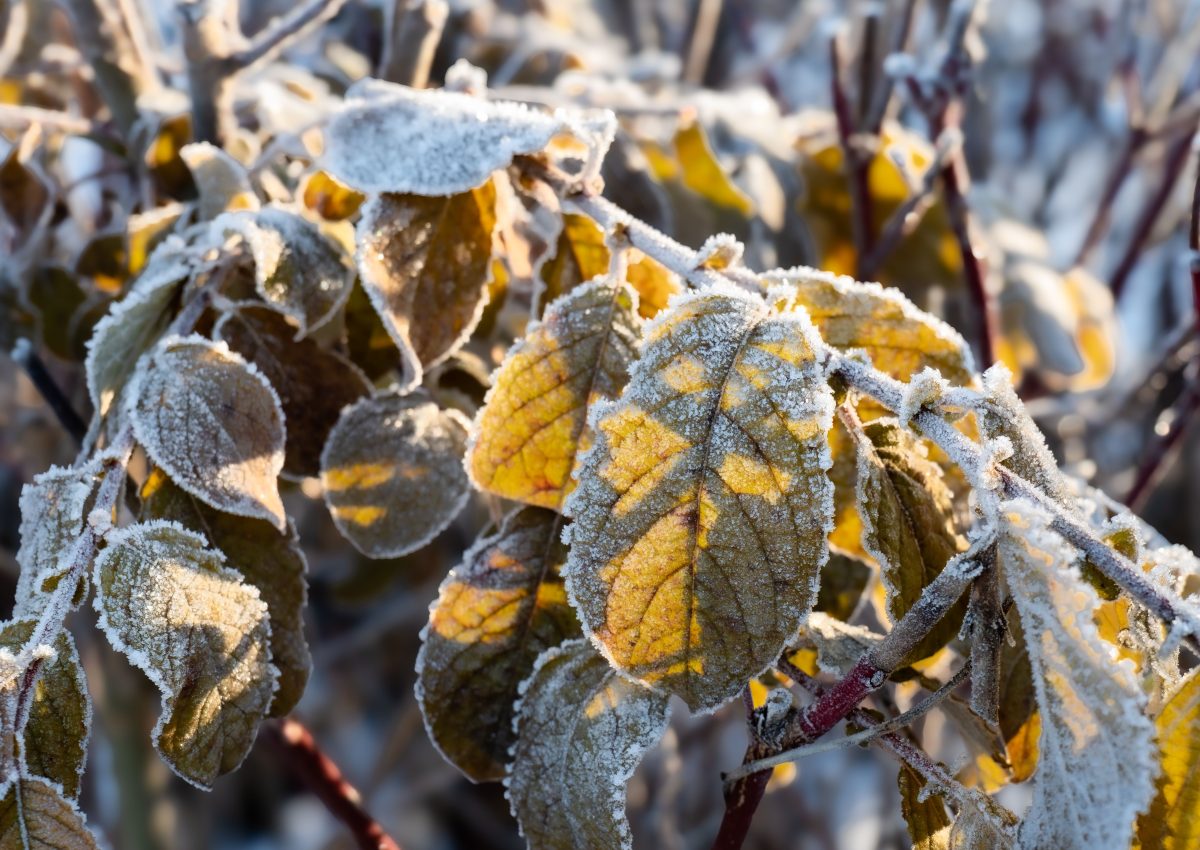
You might assume that freezing temperatures are the biggest threat to young trees during winter, but surprisingly, sunshine can cause serious damage, too. A bright winter afternoon followed by a freezing night can create conditions that split bark, injure living tissue, and leave trees vulnerable to disease. If you’ve recently planted a maple, fruit tree, or ornamental shade tree, understanding this seasonal threat could save you from having to replace an expensive landscape investment.
Winter sunscald protection is especially important for newly planted trees and species with thin bark. According to Utah State University, bark on the sunny side of a tree can become as much as 77 degrees Fahrenheit warmer than bark on the shaded side during certain winter conditions. Fortunately, protecting vulnerable trees often requires little more than inexpensive materials and a few minutes of fall preparation.
What Exactly Is Winter Sunscald?
Winter sunscald occurs when direct sunlight warms a tree’s bark during cold weather, causing living cells beneath the surface to become more active and lose some of their cold tolerance. When temperatures drop rapidly after sunset, those vulnerable cells can freeze and die, creating damaged areas beneath the bark. The University of Minnesota explains that sunscald often produces elongated, sunken, dried, or cracked sections of bark. These injuries typically appear on the south or southwest side of the trunk, where winter sunlight is most intense. Although the damage may not become obvious until spring or even later, it can weaken the tree and create openings for insects and disease.
Young Trees With Thin Bark Face the Greatest Risk
Not every tree is equally vulnerable to winter sunscald, so identifying susceptible varieties can help you avoid unnecessary work. Young maples, crabapples, honeylocusts, lindens, cherries, and several other thin-barked species are particularly susceptible to this type of injury. According to Colorado State University, newly planted trees are especially vulnerable because their bark hasn’t developed the thicker protective layers found on many mature trees. Trees growing in exposed locations or those recently transplanted from shaded areas into full sunlight may also face greater risks. If you’ve invested $50, $100, or more in a young landscape tree, spending a few dollars on preventive protection can be a sensible gardening expense.
Use White Tree Wrap to Reflect Winter Sunlight
One of the simplest methods of winter sunscald protection is wrapping vulnerable trunks with a light-colored material designed specifically for trees. The University of Minnesota recommends white commercial tree wrap or white plastic tree guards because they reflect sunlight and help maintain more consistent bark temperatures. Dark-colored materials can absorb additional heat, potentially defeating the purpose of protecting the trunk. Look for products labeled for winter tree protection rather than improvising with dark plastic, heavy fabric, or materials that trap moisture against the bark. A single roll of commercial tree wrap may be enough to protect several small trees, making this a relatively inexpensive addition to your fall gardening supplies.
Wrap the Trunk Correctly to Avoid New Problems
Proper installation matters because poorly applied tree wrap can create problems of its own. Colorado State University recommends beginning near the base of the trunk and wrapping upward in a spiral, overlapping each layer by approximately one-third until reaching the lowest branches. Secure the material according to the manufacturer’s directions without fastening tape directly to the bark or wrapping so tightly that the trunk is compressed. In colder climates, late fall is generally the appropriate time to install protection, once trees have entered dormancy and winter conditions are approaching. Mark your calendar to remove the wrap in spring because leaving it in place year-round can encourage moisture problems, insect activity, and damage as the trunk grows.
Don’t Forget Watering and Mulching Before Winter
Tree wrap is useful, but winter sunscald protection also involves keeping young trees healthy before freezing weather arrives. Drought-stressed trees may be more vulnerable to winter injury because insufficient moisture can weaken their ability to tolerate environmental stress. The University of Minnesota recommends watering trees thoroughly in late fall before the ground freezes, particularly when autumn rainfall has been limited. Applying a two- to three-inch layer of organic mulch around the root zone can help moderate soil temperatures and conserve moisture, but keep mulch several inches away from the trunk. This simple combination of appropriate watering, mulch, and reflective trunk protection can support healthier trees without requiring expensive fertilizers or specialty treatments.
Consider Sun Exposure When Planting New Trees
If you’re planning to add trees to your landscape this fall, their location can influence their exposure to winter sunscald. Trees planted in open areas with intense afternoon sunlight may experience greater temperature fluctuations along their south-facing and southwest-facing trunks. Colorado State University suggests that planting susceptible species where they receive some protection from late-afternoon winter sunlight can help reduce damage. Nearby buildings, existing trees, and carefully positioned landscape features may provide useful shade, although the planting site must still meet the tree’s normal sunlight requirements. Choosing an appropriate location from the beginning can reduce future maintenance costs and improve the chances that your tree will thrive for decades.
What to Do if Your Tree Already Has Sunscald Damage
Sometimes gardeners don’t discover winter sunscald until they notice peeling bark, vertical cracks, or sunken areas on a tree trunk in spring. The University of Minnesota explains that trees can gradually produce new tissue around damaged areas, although recovery depends on the severity of the injury. Avoid applying ordinary paint, tar, or commercial wound sealants to damaged bark because these products generally don’t improve healing and may interfere with the tree’s natural recovery process. Instead, maintain appropriate soil moisture, protect the tree from additional injuries, and monitor the damaged area for signs of insects, decay, or worsening cracks. If a large portion of the trunk is affected or the tree begins declining, consult a certified arborist before spending money on unnecessary treatments or replacing the tree.
A Small Fall Investment Can Protect Years of Tree Growth
Young trees represent a long-term investment in your landscape, providing future shade, beauty, wildlife habitat, and potentially increased property appeal. Taking time to provide winter sunscald protection can help prevent damage that might otherwise take years to heal or require replacing an established tree. Fortunately, most homeowners can complete the necessary preparation with affordable tree wrap, mulch, and proper watering rather than purchasing complicated equipment. Remember that protection needs vary by tree species, local climate, and planting conditions, so check with your local Cooperative office if you’re uncertain whether your trees need wrapping.
Have you ever noticed cracked or peeling bark on a young tree after winter, and do you wrap your trees before freezing temperatures arrive? Share your experiences in the comments.
What to Read Next
How to Overseed Thin Grass Before Winter Dormancy
Leave a Reply