You’ve spent weeks growing lettuce, kale, spinach, and carrots, only to discover that an unexpected cold snap is heading your way. The thought of losing those vegetables just before harvest is frustrating, especially when you’ve already invested money in seeds, soil, and garden supplies. Fortunately, one relatively inexpensive gardening tool can help protect your crops and extend the growing season.
Row covers create a protective barrier between vegetables and challenging weather conditions, including frost, cold winds, and sudden temperature changes. According to the University of Wisconsin, certain heavyweight covers can provide approximately 4 to 8 degrees Fahrenheit of frost protection under favorable conditions. However, not every cover offers the same benefits, and choosing the wrong material can leave plants vulnerable.
Understanding the best row covers for vegetables can help you protect your fall harvest without spending money on equipment your garden doesn’t need.
Lightweight Floating Row Covers Are Best for Mild Weather
If your biggest concerns are chilly breezes and insect damage, lightweight floating row covers may be all you need. These breathable fabrics allow sunlight, air, and moisture to reach plants while providing protection from drying winds. Because they’re relatively light, they can often rest directly over low-growing vegetables without requiring expensive support structures. They’re particularly useful for lettuce, spinach, radishes, and other crops that don’t need substantial protection from freezing temperatures. However, lightweight covers provide minimal warming, so gardeners expecting a hard freeze should consider heavier materials instead.
Mediumweight Covers Offer a Good Balance for Fall Gardens
For gardeners facing increasingly chilly nights, mediumweight fabric often provides a practical compromise between protection and affordability. Mediumweight covers help retain warmth and can support crop development during spring and fall. These materials work well over vegetables such as lettuce, carrots, radishes, and peas when temperatures begin dropping. They generally allow more sunlight through than heavyweight frost blankets, which can be important as autumn days become shorter. If you’re comparing the best row covers for vegetables, mediumweight fabric is often a sensible starting point for gardens experiencing cool weather but not severe freezes.
Heavyweight Frost Blankets Provide Stronger Cold Protection
When temperatures approach freezing, heavyweight floating row covers offer more protection than thinner fabrics. Some heavyweight covers can provide approximately 4 to 8 degrees of frost protection, depending on conditions. These blankets are particularly useful for established kale, spinach, collards, and other cool-season vegetables that can tolerate some cold. The tradeoff is that heavier fabric allows less sunlight and moisture to pass through, potentially slowing growth when left in place unnecessarily. Gardeners should check product specifications and weather forecasts carefully because even a heavyweight cover cannot guarantee protection during prolonged or extreme freezing conditions.
Hoop-Supported Row Covers Protect Taller Vegetables
Not every vegetable grows low enough to tolerate fabric resting directly on its leaves. Broccoli, cabbage, cauliflower, and larger kale plants may benefit from row covers supported by wire or PVC hoops. The University of Maryland explains that low tunnels can be constructed with inexpensive materials and provide space for vegetables to grow beneath protective fabric. Supporting the cover also reduces rubbing against foliage during windy conditions, which can otherwise damage tender leaves. For gardeners growing multiple rows of taller vegetables, a simple hoop tunnel may offer better long-term value than repeatedly replacing damaged plants.
Fine-Mesh Insect Netting Works Best Against Fall Pests
Cold temperatures aren’t the only threat facing vegetables during autumn. Cabbageworms, aphids, and other insects can continue feeding on cool-season crops while weather conditions remain favorable. Fine-mesh insect netting creates a physical barrier that helps prevent certain pests from reaching plants. Unlike heavyweight frost blankets, insect mesh allows excellent airflow and doesn’t retain enough heat to provide meaningful freeze protection. Gardeners concerned primarily about pest damage should choose netting with openings small enough to exclude their target insects rather than paying extra for heavy insulation they don’t need.
Plastic Low Tunnels Can Extend the Harvest Further
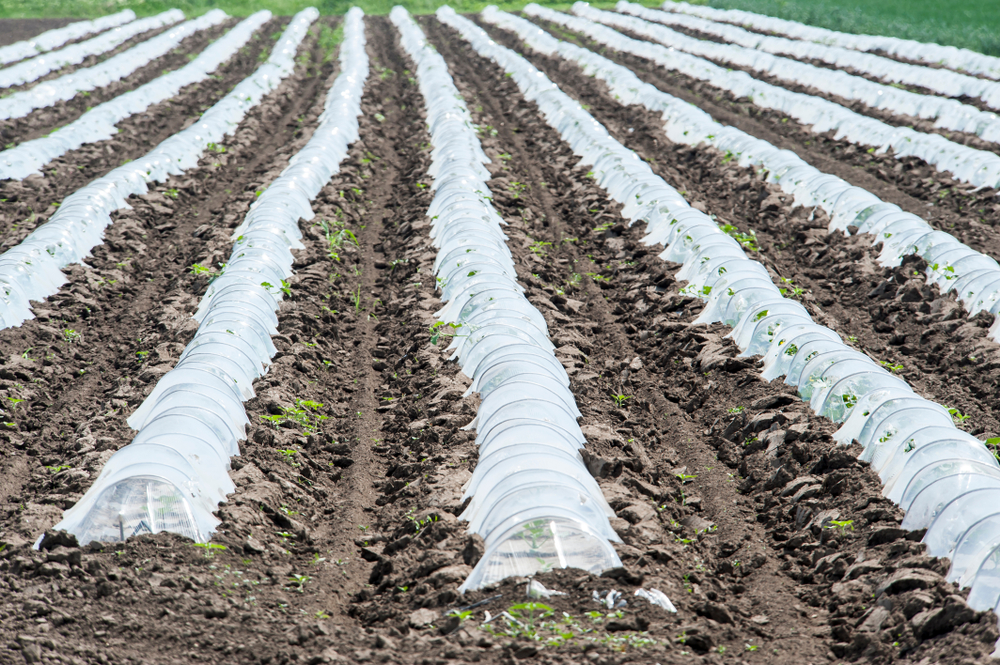
For gardeners hoping to continue harvesting vegetables into colder weather, plastic-covered low tunnels provide another option. Utah State University explains that clear plastic tunnels trap warmth and can significantly increase temperatures around protected plants. However, that additional warmth creates a potential problem because temperatures inside an enclosed tunnel can rise dramatically on sunny afternoons. Unlike breathable fabric, plastic generally requires careful ventilation to prevent overheating and excessive moisture buildup. A plastic tunnel may be worthwhile for serious season extension, but gardeners should be prepared to open and close it as weather conditions change.
DIY Row Covers Can Save Money Without Sacrificing Protection
You don’t necessarily need an expensive prefabricated garden tunnel to protect a few rows of vegetables. It is best to use simple low-tunnel frames made from materials such as flexible wire, PVC pipe, and rebar supports. For example, sturdy wire hoops can be positioned along a raised bed and covered with appropriately weighted garden fabric. Bricks, boards, landscape staples, or soil-filled bags can help secure the edges against wind without requiring specialized equipment. If you’re shopping for the best row covers for vegetables on a budget, investing in reusable fabric and inexpensive supports may provide several seasons of protection.
Proper Installation Matters as Much as the Material
Even the most expensive row cover won’t perform well if it’s loosely installed or repeatedly blown off by wind. According to NC State, row covers and low tunnels work by trapping some warmth while reducing exposure to cold air and wind. Secure the edges carefully, leaving enough slack for plant growth while preventing large gaps that allow cold air to enter. Check beneath covers periodically for insects, excessive moisture, damaged foliage, and temperatures that may become too warm during sunny afternoons. When protecting vegetables from frost, remember that covers work best when installed before temperatures drop rather than after plants have already been exposed to damaging cold.
Protect More Vegetables Without Spending More Money
Choosing the best row covers for vegetables doesn’t require purchasing every type of garden protection available. Lightweight fabric works well for mild conditions and some pest prevention, mediumweight covers provide additional seasonal protection, and heavyweight blankets offer stronger defense against frost. Row cover fabric may last approximately one to three years depending on its quality, weight, handling, and exposure to weather. For most budget-conscious gardeners, starting with one reusable fabric cover and a simple support system is a practical way to protect fall vegetables while learning what works locally.
Do you use floating row covers, homemade hoop tunnels, or another method to keep your cool-season vegetables growing when temperatures drop? Share your favorite fall gardening tips in the comments.
What to Read Next
Why Plastic Sheeting Can Damage Plants During Cold Nights
Leave a Reply