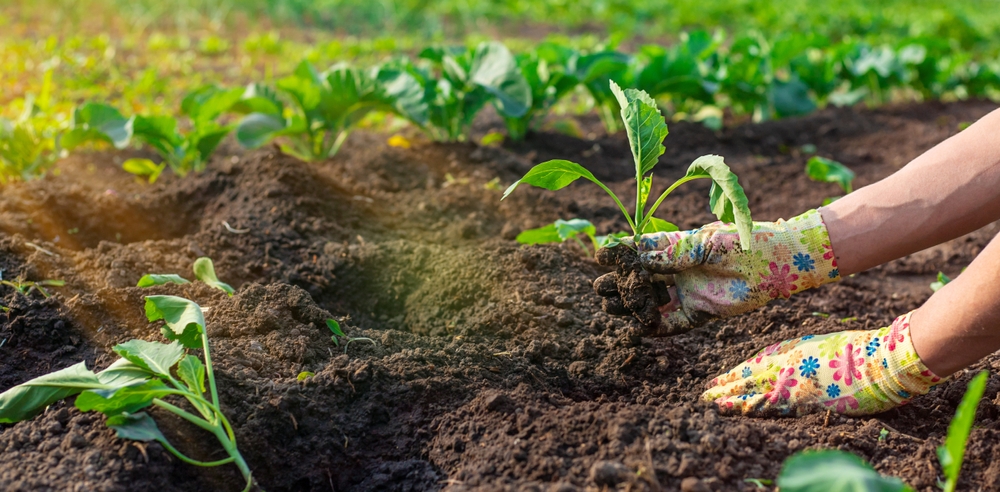
The first frost of the season sends most gardeners scrambling to cover tender plants, but cabbage? It just shrugs and keeps on growing. Tough, resilient, and surprisingly adaptable, cabbage is the superhero of the cool-season garden. While some vegetables wilt at the mere whisper of chilly air, certain cabbage varieties thrive under frost, developing even sweeter and crisper leaves as the temperatures drop.
If you’ve ever wanted to keep your garden thriving deep into the cold months, these eight frost-tolerant cabbages will make you look like a gardening genius.
1. January King Cabbage
With its stunning purple and green leaves, January King isn’t just cold-hardy—it’s downright regal. This variety was practically bred for winter, handling frost and freezing nights with remarkable ease. Its semi-savoyed leaves resist damage from ice crystals, and in fact, a light frost only deepens its flavor. Gardeners love it because it’s one of the few cabbages that can sit comfortably in the garden well into January without turning to mush. If beauty and resilience had a leafy green baby, it would be January King.
2. Savoy King Cabbage
Savoy King looks fancy, with its crinkled, quilted leaves that seem too delicate for harsh weather—but don’t let that fool you. This cabbage laughs in the face of frost. Its leaves maintain texture and sweetness even after multiple freezes, and many gardeners swear it actually tastes better after a few cold snaps. The Savoy King is perfect for winter salads and soups because of its buttery tenderness and mild flavor. Plant it in late summer, and it’ll reward you with gorgeous heads long after most vegetables have retired for the season.
3. Danish Ballhead Cabbage
If you want a cabbage that can handle cold without drama, the Danish Ballhead is your go-to. This variety has been a staple for generations because of its compact, dense heads and incredible storage ability. Danish Ballhead thrives in frosty climates and can endure temperatures as low as 20°F without batting an eye—or rather, a leaf. Its tight formation helps protect the inner leaves from freezing, preserving their crunch and flavor. This classic workhorse variety proves that sometimes the old favorites really do outshine the newcomers.
4. Deadon Cabbage
Deadon may sound intimidating, but this cabbage is as friendly to frost as a penguin in a snowstorm. Known for its deep purple hue and savoy-style leaves, Deadon develops its best flavor when grown in cold weather. In fact, it’s one of those rare vegetables that improves after being kissed by frost. The texture becomes sweeter and crisper, making it a dream for slaws or roasting. Gardeners adore Deadon for its balance of beauty, hardiness, and taste—a triple threat in the winter garden.
5. Brunswick Cabbage
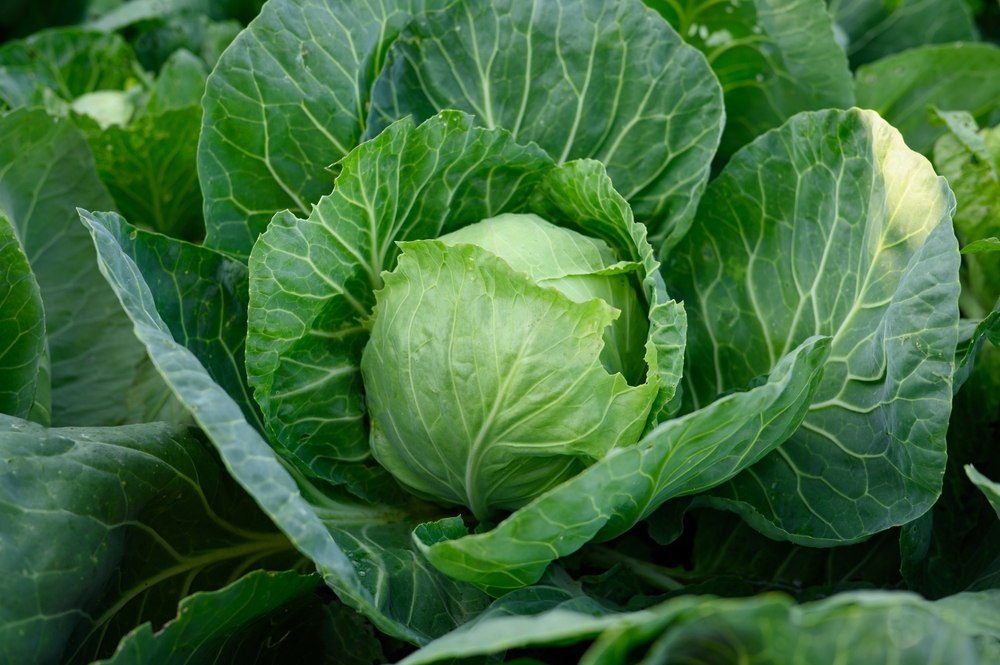
If you live somewhere with long, chilly winters, Brunswick cabbage deserves a spot in your lineup. It’s a late-season heirloom variety that’s been around since the 18th century, beloved for its ability to withstand both frost and snow. The large, drum-shaped heads are perfect for kraut-making and storage, and they rarely crack even under temperature fluctuations. Its mild yet slightly peppery taste adds depth to hearty winter dishes. When other crops have given up, Brunswick stands firm, green, and full of flavor.
6. Red Acre Cabbage
Who says hardy vegetables can’t be pretty? Red Acre is proof that frost tolerance can come with flair. This deep magenta beauty holds its vibrant color even after frosty nights, making it as photogenic as it is practical. Compact and early-maturing, it’s a perfect pick for small gardens or containers. The best part? Red Acre’s crisp leaves develop a subtle sweetness when touched by cold, transforming ordinary coleslaw into a showstopper.
7. Late Flat Dutch Cabbage
This variety has one mission: to thrive when the temperatures plunge. Late Flat Dutch is famous among gardeners for its massive heads and legendary cold tolerance. While it takes longer to mature, the wait is worth it—its leaves remain tender and flavorful even as frost glazes the garden. Because it stores so well, many gardeners grow it specifically for winter preservation. If you want a cabbage that practically begs for a long, cold season, this is your champion.
8. Savoy Perfection Cabbage
The name doesn’t lie—Savoy Perfection is just that. Its beautifully crinkled leaves aren’t just decorative; they act as insulation, protecting the tender heart from frostbite. Gardeners often describe this variety as “the cabbage that refuses to quit,” since it continues to thrive well after other greens have faded. The cold enhances its flavor, making it buttery-sweet and ideal for everything from stir-fries to rolls. If you’re chasing that perfect balance of elegance and endurance, Savoy Perfection delivers every time.
Frost-Proof Flavor for Every Garden
The beauty of cabbage lies not just in its versatility but in its tenacity. These eight varieties prove that cold weather doesn’t have to signal the end of your growing season—it can actually make your harvest even better. From the rugged Brunswick to the jewel-toned Red Acre, each one brings its own personality to the frost-tolerant lineup. Growing them means fewer disappointments and more fresh produce when your neighbors think gardening season is long gone.
Have you tried growing any of these hardy heroes in your own garden? Share your experiences, tips, or favorite winter cabbage dishes in the comments below.
You May Also Like…
How Frost Heaves Damage Roots in Winter
How Morning Frost Helps Some Crops Ripen
8 Seeds That Germinate Better in Cold Soil
How Crop Rotation Planning Starts in Autumn
How to Protect Root Crops From Hungry Rodents

Brandon Marcus is a staff writer for FrugalGardening.com at District Media, Inc., where he delivers practical gardening advice with a relatable, no-nonsense style. An avid amateur gardener, he holds a BA degree and with over ten years of professional writing experience, he is also an award-winning published author whose first book, Questions For Deep Thinkers, was released by Adams Media. His work has appeared in major publications including Fandom.com, CHUD.com, TheColdWire.com, and Fansided.com.
Leave a Reply