
There’s something wildly satisfying about turning pocket change into piles of fresh food. A flimsy plastic window box that costs less than a cup of coffee can quietly become a salad factory that keeps producing week after week. That kind of payoff sounds almost ridiculous, yet it rests on simple biology and a little bit of strategy. Leafy greens grow fast, they thrive in tight spaces, and they don’t demand much beyond water, light, and a bit of care. Stack those advantages together, and suddenly that $2 container starts to look like a serious investment vehicle.
Now imagine stepping over to a sunny window or balcony and snipping crisp, vibrant greens whenever a craving hits. No wilted store-bought lettuce. No overpriced plastic clamshells. Just fresh, clean leaves that taste better and last longer because they go straight from soil to plate
The $2 Box That Pulls Its Weight Like a Pro
That humble plastic window box might not look like much, but it creates the perfect environment for shallow-rooted crops like lettuce, arugula, and spinach. These greens don’t need deep soil, and they don’t demand much horizontal space, which makes a narrow container surprisingly efficient. A typical window box, around 24 inches long and 6 to 8 inches deep, can support a dense planting that keeps producing for weeks. Instead of spacing plants far apart like traditional gardens, this method leans into close planting and frequent harvesting. That approach encourages continuous growth rather than a single harvest, which stretches the value dramatically over time.
Soil choice makes a big difference right from the start. Regular garden dirt compacts too easily and suffocates roots, so a lightweight potting mix keeps things loose and breathable. Many mixes already include compost or nutrients, but adding a small handful of organic fertilizer gives greens a steady supply of energy. Good drainage matters just as much, so those tiny holes at the bottom of the box need to stay open and functional. Without proper drainage, roots sit in water, and plants quickly decline. With it, everything stays balanced, and growth stays consistent.
Placement turns this simple container into a powerhouse. Salad greens thrive in bright, indirect light or a few hours of gentle morning sun. A south- or east-facing window works beautifully, and a small balcony can handle even more production. Extreme heat stresses these plants, so partial shade during the hottest part of the day keeps them happy and prevents bitterness. With the right location, this little box can produce steady harvests that rival much larger setups.
Picking the Right Greens for Maximum Payoff
Not all greens perform equally in a tight, fast-growing setup, so smart plant choices make all the difference. Leaf lettuce varieties lead the pack because they grow quickly and allow for repeated harvesting without killing the plant. Instead of pulling up the whole head, trimming outer leaves keeps the center growing and productive. Arugula adds a peppery kick and matures even faster, often ready for harvest in just a few weeks. Spinach brings a richer texture and packs nutrients, although it prefers slightly cooler conditions to really shine.
Mixing varieties in the same box creates a “cut-and-come-again” salad blend that feels far more exciting than a single crop. This approach also spreads out growth rates, which keeps the harvest steady instead of overwhelming all at once. Some greens mature in 20 days, while others take closer to 40, and that staggered timeline keeps fresh leaves coming. Herbs like cilantro or parsley can even sneak into the mix for extra flavor and value. That combination transforms a basic container into a mini salad bar that keeps evolving week by week.
Seeds usually outperform seedlings in this setup because they adapt quickly and cost far less. A single packet can contain hundreds of seeds, which translates into multiple plantings and extended harvest cycles. Sowing seeds directly into the box also avoids transplant shock, which can slow growth. A light sprinkle across the soil surface, followed by a gentle covering of soil, sets everything in motion. Within days, tiny green shoots pop up, and the process feels almost instant.
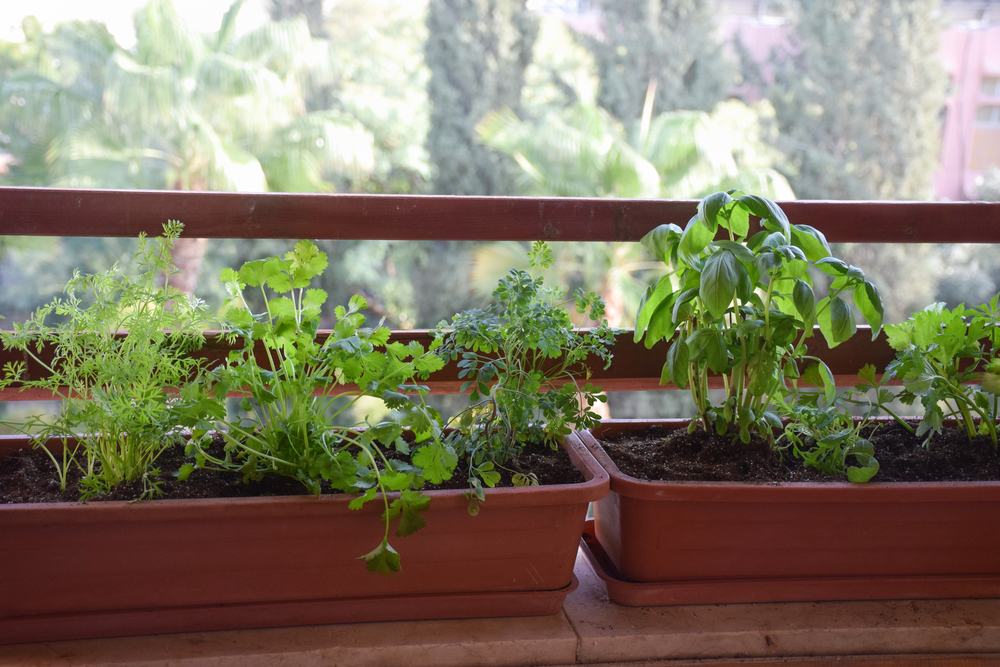
The Harvest Trick That Multiplies Your Greens
The real magic doesn’t come from planting alone; it comes from how the harvest happens. Cutting outer leaves instead of pulling entire plants keeps everything growing longer and stronger. This method, often called “cut-and-come-again,” turns a single planting into multiple harvests over several weeks. Each trim encourages new growth, which means the box stays productive far beyond what a one-time harvest could deliver. That continuous cycle drives up the total yield and, ultimately, the value.
Timing matters when harvesting, and younger leaves often taste better and feel more tender. Waiting too long can lead to tougher textures and stronger flavors, especially with greens like arugula. Regular trimming every few days keeps plants in their prime and prevents overcrowding. It also improves airflow, which reduces the risk of mold or disease. A quick pair of scissors works perfectly, and the process takes just a minute or two.
Watering plays a supporting role in this whole system. Greens need consistent moisture, but they don’t want to sit in soggy soil. A quick check with a finger can confirm whether the top inch feels dry, which signals it’s time to water. In warm weather, this might mean daily watering, while cooler conditions slow things down. Balanced watering keeps leaves crisp and growth steady, which directly impacts how much each plant produces.
Turning Small Harvests Into Big Savings
The claim of growing $500 worth of salad greens might sound bold, but the math actually works out over time. Store-bought greens often cost several dollars per small container, and they spoil quickly once opened. A single window box, planted and harvested repeatedly, can produce dozens of servings over a growing season. Even modest weekly harvests add up fast when they replace store purchases. Over several months, the total easily climbs into the hundreds of dollars saved.
This setup also eliminates waste, which quietly drains grocery budgets. Freshly harvested greens last longer because they haven’t traveled or sat in storage. That means fewer slimy leaves tossed into the trash and more usable food overall. It also opens the door to harvesting only what’s needed, which keeps everything fresh and intentional. That level of control transforms how food gets used at home.
Expanding the system multiplies the benefits without adding much cost. Adding a second or third window box increases output dramatically while keeping the process simple. Seeds remain inexpensive, and sunlight stays free, which keeps the overall investment low. Even a small collection of containers can cover a significant portion of weekly salad needs. That kind of efficiency makes this approach both practical and surprisingly powerful.
The Tiny Garden That Changes the Way Food Shows Up
This isn’t just about saving money or growing a few leaves; it reshapes how fresh food fits into daily life. A simple window box turns into a steady source of vibrant, homegrown greens that feel more satisfying than anything wrapped in plastic. The process stays easy enough to maintain, yet productive enough to make a real difference in both cost and quality. It proves that even the smallest spaces can deliver big results with the right approach.
That tiny container quietly builds consistency, and consistency builds value over time. Each harvest reinforces the habit, and each planting cycle sharpens the process. Before long, that $2 box doesn’t feel small at all; it feels like a reliable, productive system that keeps giving. It invites experimentation, from trying new greens to adjusting planting schedules for even better results. And it all starts with something simple enough to set up in an afternoon.
What would go into that first planting mix, and which greens would take the lead in that box? Share thoughts, ideas, or even bold experiments in the comments and see how far that little container can really go.
You May Also Like…
6 Fast-Growing Greens for a Quick Fall Salad
Garden Experts Warn: These 7 Plants Could Be Destroying Your Soil Without You Knowing
Turning Pallets into Gold: How to Build a Vertical Garden for $0
5 Reasons to Visit the Dollar Store Before the Garden Center This Month
6 Small-Space Edible Garden Ideas That Produce Big Harvests

Brandon Marcus is a staff writer for FrugalGardening.com at District Media, Inc., where he delivers practical gardening advice with a relatable, no-nonsense style. An avid amateur gardener, he holds a BA degree and with over ten years of professional writing experience, he is also an award-winning published author whose first book, Questions For Deep Thinkers, was released by Adams Media. His work has appeared in major publications including Fandom.com, CHUD.com, TheColdWire.com, and Fansided.com.
Leave a Reply