• Skip to primary navigation
  • Skip to main content
  • Skip to primary sidebar

Frugal Gardening

Simple ways to save money while you garden

  • About
  • Contact Us
  • Garden Frugally
  • Buy These
  • Our Editorial Commitment
  • Navigation Menu: Social Icons

    • Facebook
    • Pinterest
    • Twitter

How To Battle Garden Pests Cheaply and Naturally

March 8, 2022 by Kathryn Vercillo Leave a Comment

Battle Garden Pests Cheaply and Naturally

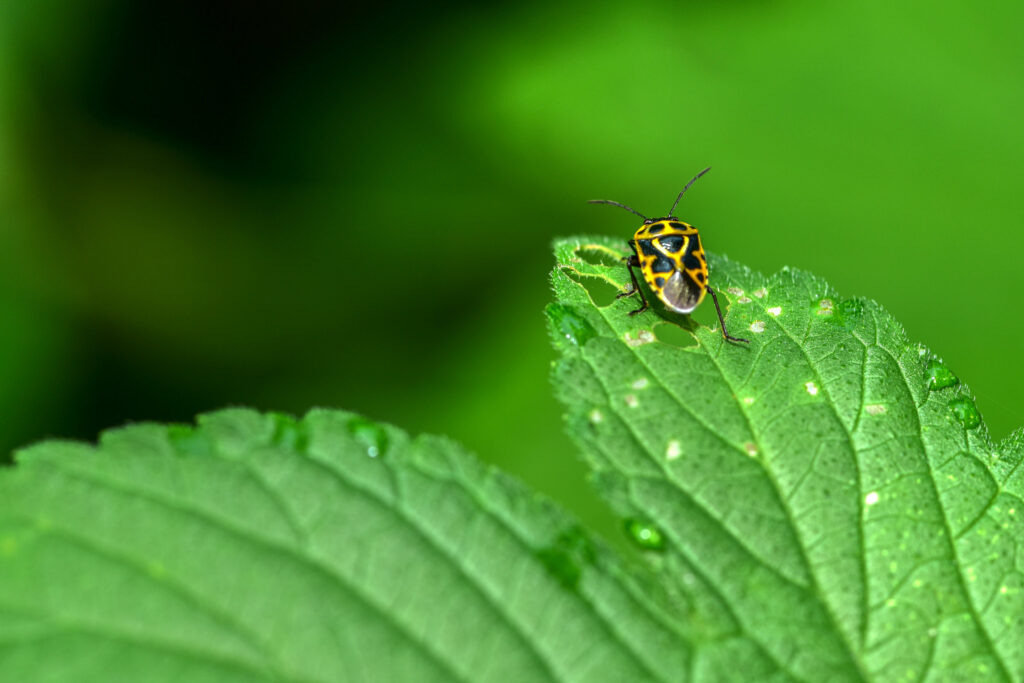
Garden pests can be the bane of a home gardener’s existence. You work so hard to get your plants to grow, then these bugs come along and destroy them. Are you looking for ways to battle garden pests cheaply and naturally? It’s definitely possible!

It Doesn’t Have To Be a Battle

Yes, we often talk about battling pests. However, it’s better if you start with a few mindset. Instead of thinking about how you’re going to battle garden pests cheaply and naturally, try to reframe your thinking. It’s not a war. It’s not a fight. Instead, it’s a challenge to establish equilibrium in your garden.

After all, your garden is part of nature. So are these bugs. So, even though you don’t want them to destroy your plants, you can maintain an appreciation for them. You can respect their urge to go for your plants. As you build this compassion into your gardening, it becomes mentally easier to face the challenge of how to handle them in your garden.

How To Battle Garden Pests Cheaply and Naturally

As you get ready to solve your pest problem, you want to focus on those two components: cost and natural pest repellants. You don’t have to spend a lot of money to deter pests from getting into your garden. Moreover, you can do this naturally, which saves on costs and also treats your plants (and the pests) much more kindly.

5 Ways to Battle Garden Pests Cheaply and Naturally

Here are five good options:

1. Plant The Right Flowers In Your Garden

Did you know that some flowers have natural pest-repellant qualities? Therefore, if you plant these in your garden, you easily deter pests from getting into everything. For example, marigolds are a good pest repellant. Other flowers attract specific predators that will naturally take care of various pests for you. For example, catmint attracts lacewing insects, which will then prey on aphids for you, protecting your plants.

2. Baking Soda Is a Natural Pesticide

You can kill certain garden pests, such as slugs, by pouring baking soda directly on them. Alternatively, make a spray solution with baking soda and water to use as a pesticide on various plants in your garden. This is an eco-friendly natural pesticide option that hardly costs anything.

3. Dish Soap Does The Job, Too

Did you know that the dish soap that you already use in your kitchen might also be a good pest repellant? Mix organic, natural non-bleach liquid dish soap with water. Spray this on your plants. It’s a semi-natural and very affordable pesticide.

4. Make a Garlic Spray

If you want a pesticide that is even more natural than dish soap would be, then consider making a garlic spray. Puree garlic cloves, mix them with water, cayenne pepper, and a little bit of vegetable oil, then spray it on your plants.

5. Use Essential Oils

There are so many great essential oils that you can use to battle garden pests cheaply and naturally. Different pests will respond to different oils but start by trying rosemary, lavender, lemongrass, peppermint, spearmint, and orange essential oils.

Read More:

  • Ladybugs vs. Asian Ladybeetles
  • Reasons Why Tomato Foliage Curl
  • 5 Factors That Affect Plant Growth
Kathryn Vercillo
Kathryn Vercillo

Kathryn Vercillo is a long time writer, crafter and author of several books. A resident of San Francisco, she is committed to helping others explore, articulate and share their own individuals stories. When she’s not evaluating investing opportunities Kathryn is an avid knitter, researcher, and blogger.

Filed Under: pests Tagged With: bugs, garden pests, natural pesticides, pest repellant, pesticides, pests

Previous Post: « 5 Cheap Ways to Self Water Plants
Next Post: If You’re Over 50, Here’s Why You Should Start Gardening »

Reader Interactions

Leave a Reply Cancel reply

Your email address will not be published. Required fields are marked *

Primary Sidebar

Struggling to get your garden off the ground? Put those days behind you with our special starter kit – perfect for thrifty green thumbs everywhere. Get growing and add a splash of color today!

Popular Posts

  • usda free seeds websiteHow To Get Free Seeds From The Government by Amanda Blankenship Seeds might seem like a small expense, but any seasoned…
  • Enviro Ice On PlantsShould I Use Enviro Ice On My Plants? by Kathryn Vercillo Every week, I receive food from Hungryroot. It's a great…
  • is shredded paper good for the gardenFrom Trash to Treasure: Transform Shredded Paper Into Garden Gold by Amanda Blankenship Should you use shredded paper as garden mulch? It might…
  • Enviro IceWhat Happens to Plants If You Use Enviro Ice on Them? by Amanda Blankenship About a year ago, I wrote our first article about…
Year of the Tomato: New Blight‑Resistant Varieties Offer High Yields in Cool, Wet Climates

Year of the Tomato: New Blight‑Resistant Varieties Offer High Yields in Cool, Wet Climates

Some gardening seasons feel like a friendly handshake. Others feel like a wrestling match with the weather. Cool temperatures, endless rain, and soggy soil often leave tomato lovers staring at yellow leaves instead of baskets full of ripe fruit. This year, however, brings welcome news for gardeners who refuse to let gloomy skies ruin tomato…

Read More

Stop Throwing Away Lawn Clippings: Use “Leaf Litter” as Mulch to Feed Soil and Save Money

Stop Throwing Away Lawn Clippings: Use “Leaf Litter” as Mulch to Feed Soil and Save Money

The next time the lawn mower leaves behind a fresh layer of grass clippings, think twice before stuffing them into a bag. Those green leftovers can become one of the cheapest and most effective garden helpers around when used as leaf litter mulch. Instead of paying for bags of mulch every spring, gardeners can recycle…

Read More

No‑Mow Flowering Lawns Attract Pollinators and Reduce Maintenance—Here’s How to Start

No‑Mow Flowering Lawns Attract Pollinators and Reduce Maintenance—Here’s How to Start

A perfectly trimmed lawn once ruled the neighborhood, but more gardeners now trade endless mowing for colorful blooms and buzzing pollinators. A no-mow flowering lawn offers a practical way to reduce yard work while creating a landscape that feels alive instead of silent. Bees drift from flower to flower, butterflies linger a little longer, and…

Read More

Pet‑Friendly Gardening: Non‑Toxic Plants and Shady Spots Make Your Yard Safe for Fido

Pet‑Friendly Gardening: Non‑Toxic Plants and Shady Spots Make Your Yard Safe for Fido

A gorgeous backyard should welcome every member of the family, including the four-legged ones who sprint through flower beds, sniff every shrub, and somehow discover trouble in record time. Building a pet-friendly garden means choosing plants and features that look fantastic while reducing common hazards for curious dogs. The result feels less like an obstacle…

Read More

  • About
  • Contact Us
  • Garden Frugally
  • Buy These
  • Our Editorial Commitment
  • Navigation Menu: Social Icons

    • Facebook
    • Pinterest
    • Twitter
  • Facebook
  • Pinterest
  • Twitter

Copyright © 2026 · Foodie Pro & The Genesis Framework