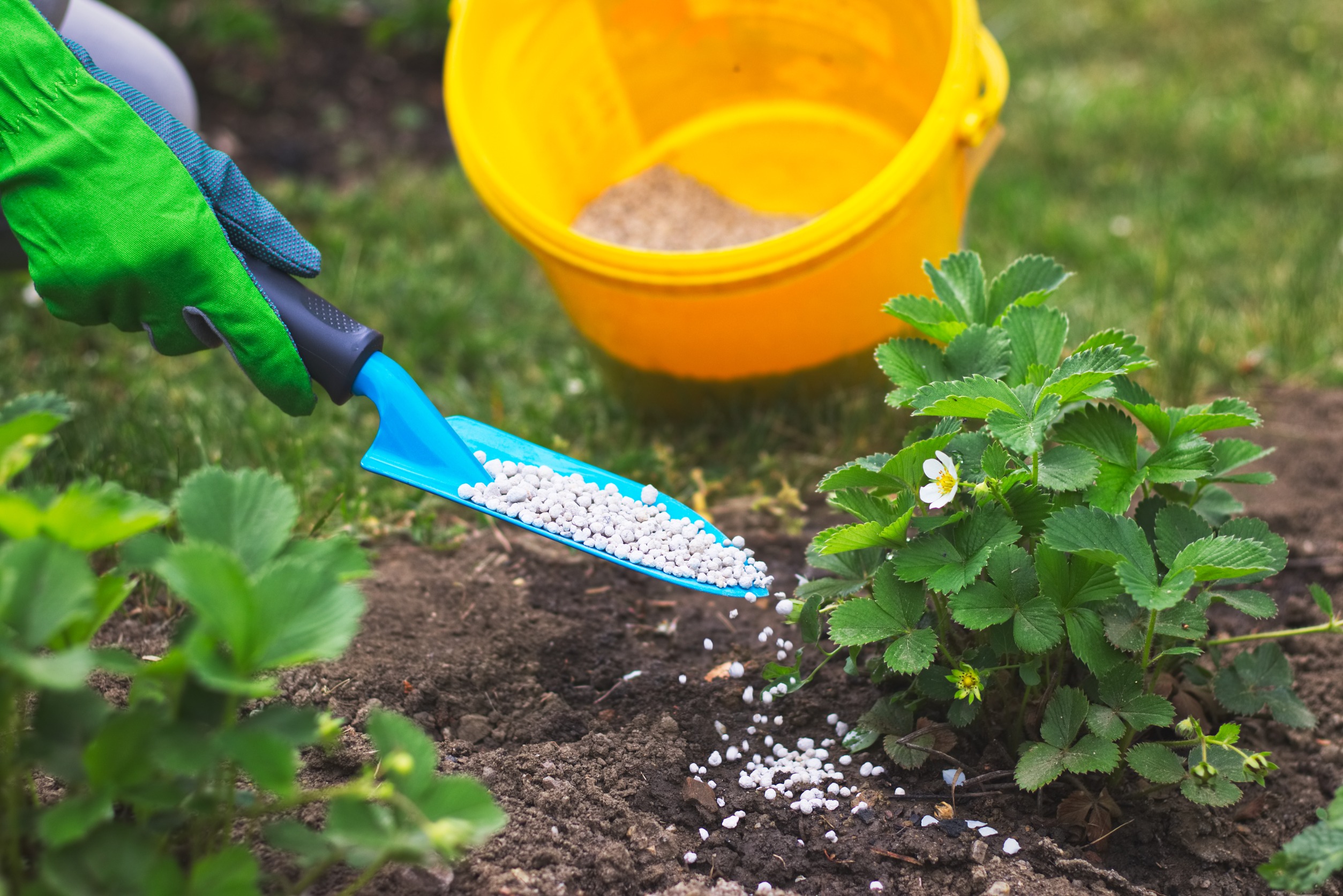
Looking to give your plants a nutrient boost without spending a fortune on store-bought fertilizers? Look no further than your kitchen! Homemade fertilizers are a natural and effective way to nourish your garden with items you already have at home. Here are 10 amazing DIY fertilizers that will keep your garden thriving.
1. Coffee Grounds
Coffee grounds are rich in nitrogen, making them perfect for plants like tomatoes, roses, and blueberries. These grounds help improve soil structure and increase microbial activity. Simply sprinkle used coffee grounds around the base of your plants or mix them into the soil for an organic nitrogen boost. Be sure not to overdo it, though, as too much nitrogen can harm certain plants. Coffee grounds are also a great way to recycle kitchen waste while benefiting your garden.
2. Eggshells
Eggshells are packed with calcium, which helps plants develop strong cell walls and roots. Crush up your eggshells and sprinkle them around your garden to prevent blossom-end rot in tomatoes and peppers. They also help balance the soil’s pH and keep pests like slugs and snails at bay. For an extra boost, blend the shells into a fine powder before adding them to your compost or directly into the soil. Eggshells are simple yet powerful homemade fertilizers that reduce waste and enhance plant growth.
3. Banana Peels
Banana peels are loaded with potassium, which promotes strong root growth and aids in fruit and flower production. Cut up banana peels and bury them directly in the soil near your plants, or make a banana peel tea by soaking them in water for a few days. The nutrients from the peels help plants like roses, cucumbers, and peppers thrive. Potassium is vital for overall plant health, helping regulate water and nutrient uptake. Using banana peels is an eco-friendly way to boost your garden’s fertility.
4. Epsom Salt
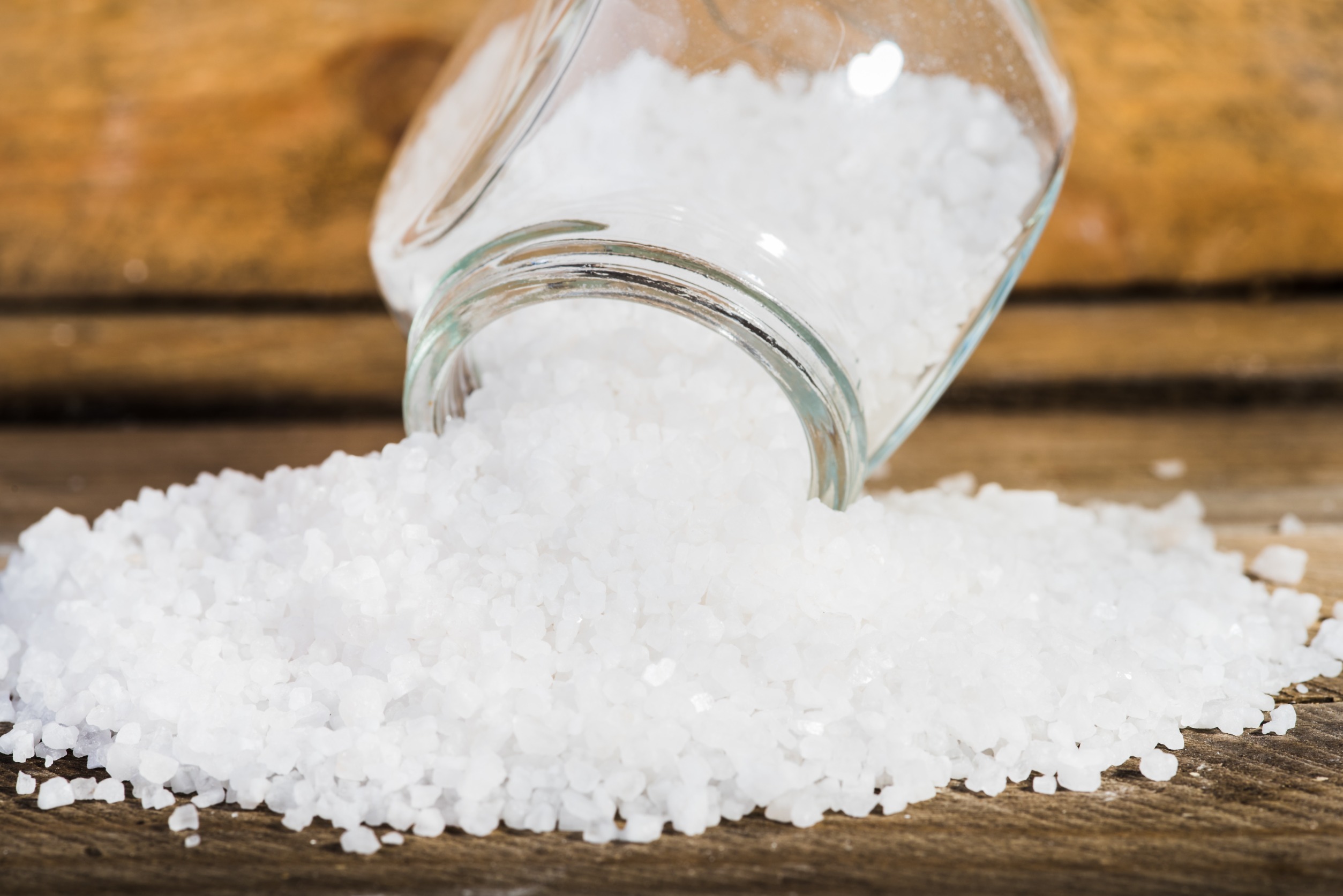
Epsom salt is a go-to for gardeners looking to improve leaf color and overall growth. Magnesium, a key component of Epsom salt, helps plants absorb nutrients like nitrogen and phosphorus. Simply dissolve a tablespoon of Epsom salt in a gallon of water and use it to water your plants every few weeks. It’s especially beneficial for tomatoes, peppers, and roses. Epsom salt can also be used as a foliar spray to provide nutrients directly to the leaves.
5. Wood Ash
If you have a fireplace, wood ash is an excellent resource for enriching your garden. Ash contains potassium and calcium carbonate, which help raise the pH of acidic soils, making it ideal for plants like beans and garlic. Sprinkle wood ash lightly over your soil or compost pile to give your plants a gentle nutrient boost. Be cautious with wood ash, though—too much can make your soil too alkaline. It’s best used in moderation and tested on your soil before applying.
6. Fish Tank Water
If you own a fish tank, don’t toss out that nutrient-rich water! Fish waste is full of beneficial nutrients like nitrogen, potassium, and phosphorus, which are essential for plant growth. Simply use the dirty water from your tank to water your plants, giving them a dose of natural fertilizer. This method is especially effective for leafy greens and houseplants. Fish tank water is an easy, no-cost way to nourish your plants without chemicals.
7. Grass Clippings
Grass clippings are an abundant source of nitrogen, making them an ideal mulch for your garden. Spread a thin layer of fresh clippings around the base of your plants to retain moisture, suppress weeds, and feed the soil. As the grass decomposes, it releases nitrogen, which helps plants grow vigorously. Be careful not to pile the clippings too thickly, as this can create a barrier that prevents water and air from reaching the soil. Grass clippings are an easy way to recycle lawn waste and feed your garden.
8. Tea Leaves
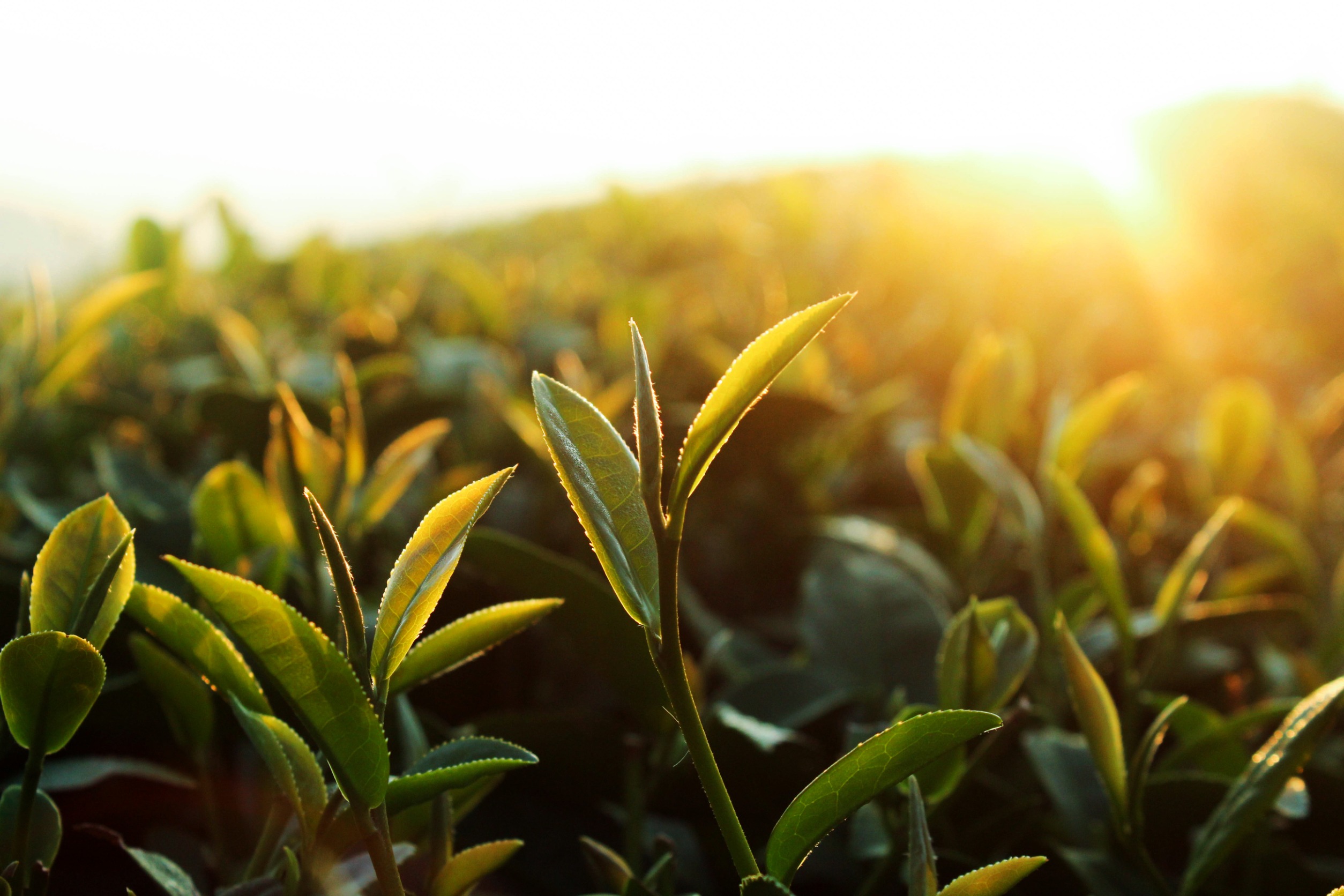
Used tea leaves are an excellent source of nitrogen, potassium, and phosphorus, essential nutrients for plant growth. Scatter the used leaves around the base of your plants or mix them into your compost pile for an added nutrient boost. The tannic acid in tea leaves helps improve soil structure and promotes healthy root development. Tea leaves also attract beneficial earthworms, which help aerate the soil. Whether you’re a tea lover or have some used tea bags lying around, they’re a great way to nourish your plants.
9. Vegetable Scraps
Vegetable scraps like potato peels, carrot tops, and celery ends are perfect for your compost pile. As these scraps break down, they release valuable nutrients that enrich the soil. You can even bury the scraps directly in your garden, creating mini compost stations that feed the plants over time. Composting vegetable scraps not only reduces waste but also improves the soil’s texture and fertility. This method is a win-win for both your garden and the environment.
10. Molasses
Molasses isn’t just for baking—it’s also an excellent fertilizer for your garden. Rich in iron, calcium, and potassium, molasses helps feed the beneficial microbes in your soil, promoting healthy plant growth. Mix a tablespoon of molasses into a gallon of water and use it to water your plants or spray it onto the soil. The sugars in molasses also help improve soil structure and encourage the growth of helpful bacteria. It’s a sweet way to boost your garden’s health naturally.
Bonus Idea: Use Enviro-Ice As Fertilizer.
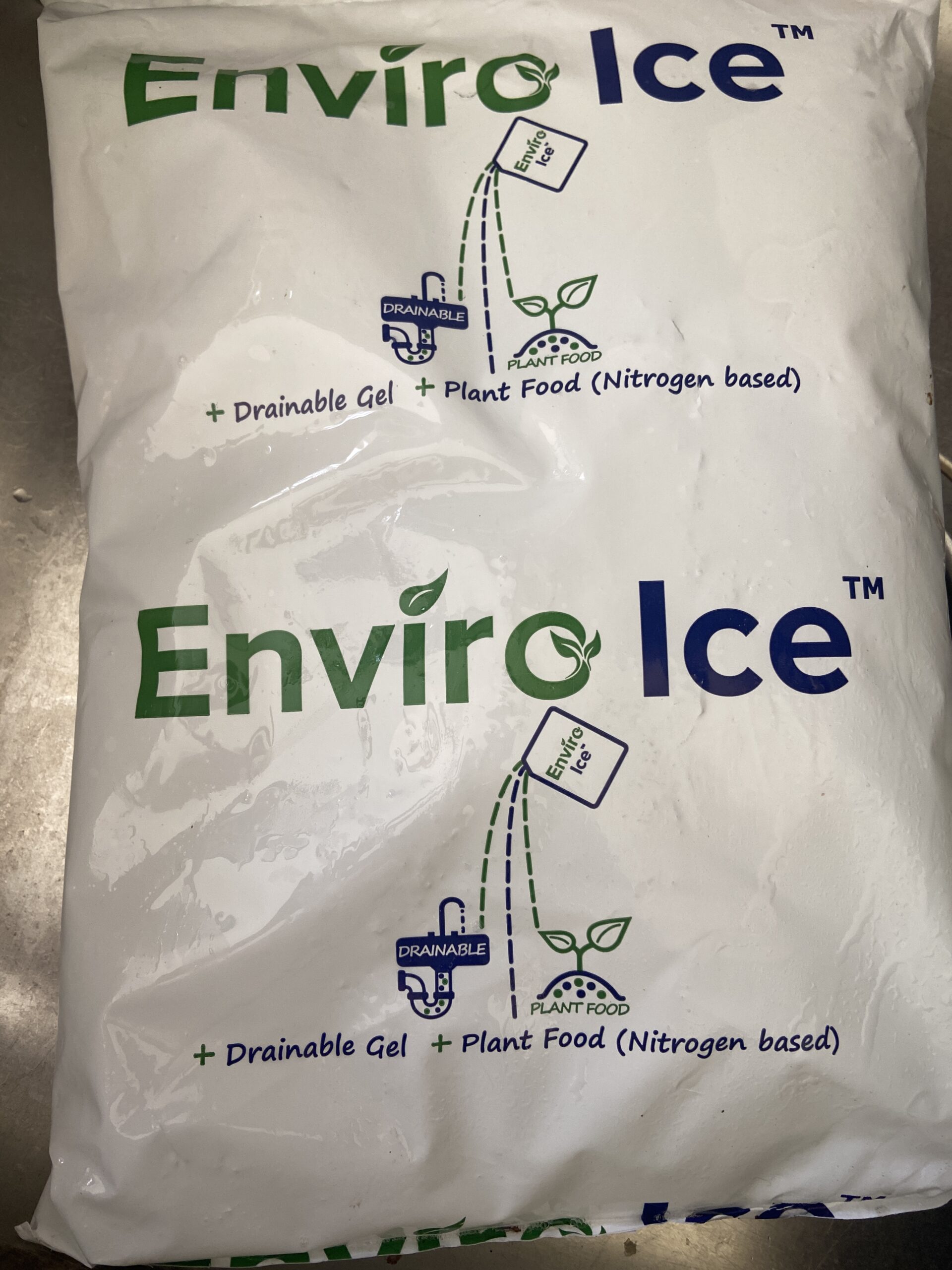
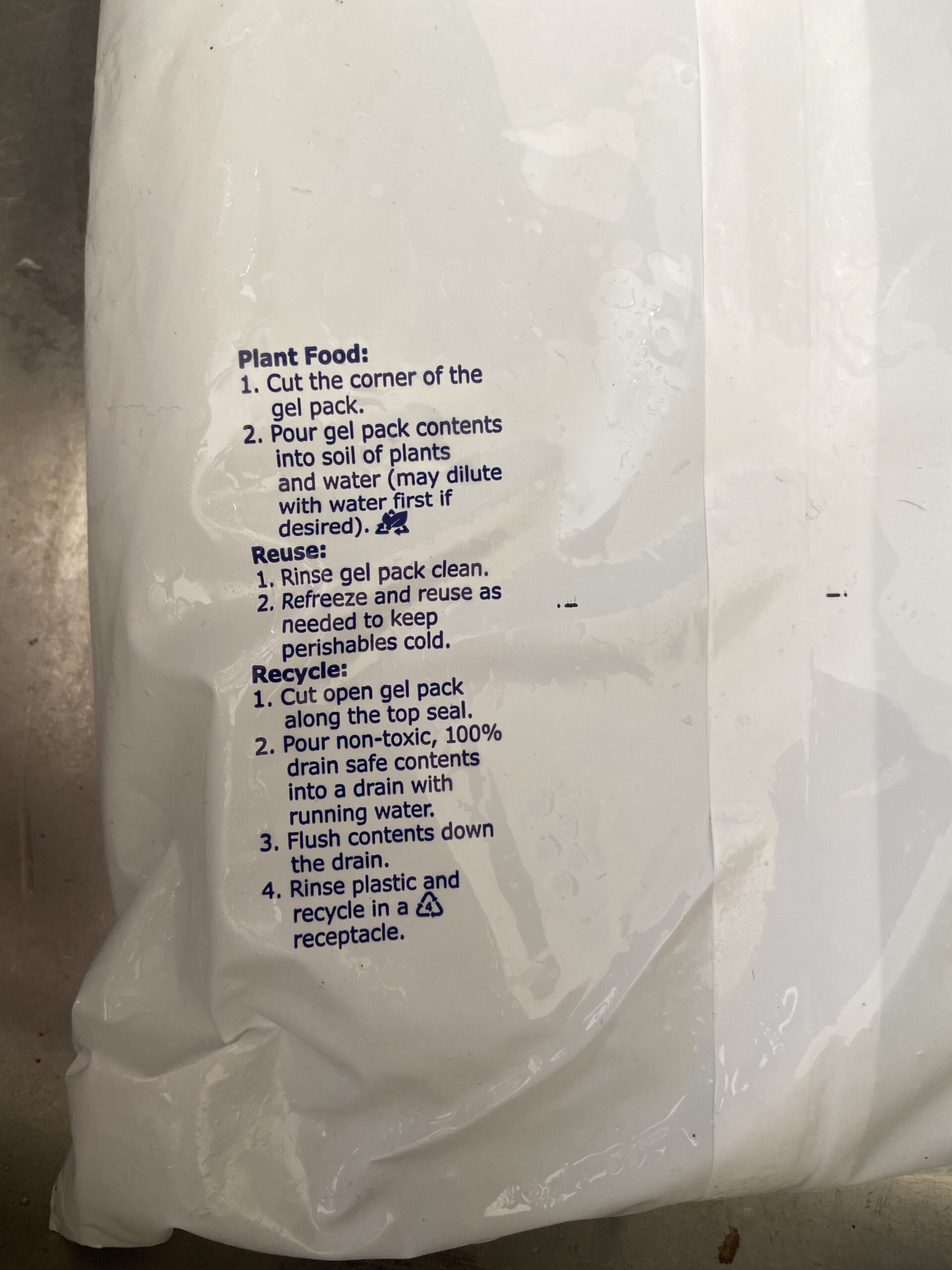
Okay so this idea is a bit on the quirky side. But, a company called Pelton Shephard produces a nitrogen based packing gel called Enviro-Ice. Enviro-Ice is reputed to be able to used as a fertilizer because its made out of nitrogen. If you have any lying around your house, you could always read the instruction online (here) and dilute the gel in water to make fertilizer. The package looks like this:
Transform Your Kitchen Waste Homemade Fertilizers
Finally With these homemade fertilizers, you can easily recycle common household items into nutrient-rich plant food. From coffee grounds to molasses, each one offers unique benefits for your garden while reducing waste. Plus, you’ll save money on store-bought products and know exactly what’s going into your soil. Give your plants a natural boost with these eco-friendly fertilizers, and watch them flourish like never before!

Vanessa Bermudez is a content writer with over eight years of experience crafting compelling content across a diverse range of niches. Throughout her career, she has tackled an array of subjects, from technology and finance to entertainment and lifestyle. In her spare time, she enjoys spending time with her husband and two kids. She’s also a proud fur mom to four gentle giant dogs.
Leave a Reply