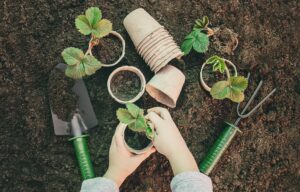
In today’s world, the importance of sustainable living has never been more pronounced. As we face environmental challenges, the concept of eco-friendly and economical gardening practices has emerged as a beacon of hope for both our planet and our pockets. Here’s a look at 10 sustainable gardening hacks that not only contribute to a greener earth but also offer significant savings. By integrating these practices, gardeners can cultivate thriving gardens that are both kind to the environment and easy on the wallet.
1. Composting: Turning Waste into Wealth
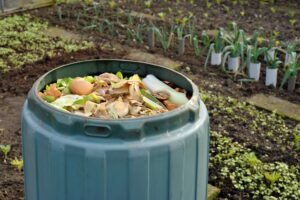
Composting is a cornerstone of sustainable gardening. By transforming kitchen scraps, lawn clippings, and other organic waste into nutrient-rich compost, you not only reduce landfill contributions but also provide your plants with a natural, chemical-free fertilizer. This process, which mimics nature’s own recycling system, enriches the soil, fosters healthy plant growth, and minimizes the need for synthetic fertilizers, leading to a more vibrant and sustainable garden ecosystem.
2. Water Wisdom: Harvesting and Conserving H2O

Water conservation is critical in sustainable gardening. Collecting rainwater using barrels or designing your garden to maximize rainwater absorption can significantly reduce reliance on municipal water systems. Mulching and choosing drought-resistant plants also help retain soil moisture and reduce water usage. These strategies not only conserve this precious resource but also lower your water bill, making your garden both eco-friendly and economical.
3. DIY Pest Control: Natural Solutions

Chemical pesticides not only harm the environment but can also be costly. Sustainable gardening advocates for natural pest control methods such as companion planting – where certain plant combinations naturally repel pests – or encouraging beneficial insects like ladybugs and bees that prey on harmful pests. These eco-friendly solutions maintain the garden’s ecological balance, protecting both your plants and local wildlife.
4. Seed Saving: The Circle of Life

Saving seeds from your garden’s plants is a sustainable practice that ensures a continuous supply of your favorite varieties without the need for repeat purchases. This age-old tradition encourages genetic diversity and resilience in plants, contributing to a more robust garden ecosystem. Seed saving is not only economical but also allows you to share and exchange seeds with fellow gardeners, fostering a sense of community and collaboration.
5. Upcycled Containers: Creative Planting Solutions

In sustainable gardening, creativity knows no bounds. Upcycling household items such as old tires, buckets, and even furniture into plant containers adds a unique charm to your garden while reducing waste. This approach not only saves money on planters but also contributes to a reduction in consumer waste, embodying the essence of eco-friendly living.
6. Permaculture Principles: Designing with Nature

Permaculture, a design system based on the patterns and features observed in natural ecosystems, offers a holistic approach to sustainable gardening. By mimicking nature’s efficiency, permaculture designs create self-sustaining gardens that require minimal external inputs. This not only conserves resources but also creates a harmonious garden environment that thrives year after year.
7. Green Mulching: A Carpet for Your Plants
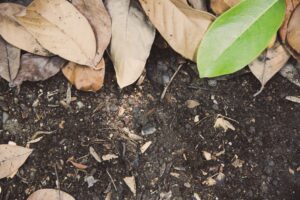
Green mulching, using grass clippings or leaf litter as a mulch, provides a dual benefit for your garden. It suppresses weeds, retains soil moisture, and as it decomposes, it adds organic matter back into the soil, enriching it. This practice reduces the need for synthetic weed killers and fertilizers, making your garden more sustainable and cost-effective.
8. Solar Solutions: Harnessing the Sun’s Power
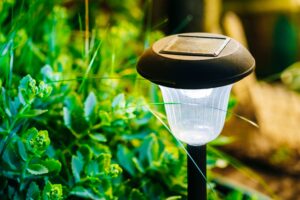
Incorporating solar-powered solutions, such as solar water pumps for irrigation or solar lights to illuminate garden paths, reduces reliance on non-renewable energy sources. This not only diminishes your carbon footprint but also lowers energy costs, making solar solutions an excellent addition to the sustainable gardener’s toolkit.
9. Planting Natives: The Local Advantage

Native plants are adapted to local climate conditions and soil types, requiring less water, fertilizers, and pesticides. By choosing native plants for your garden, you support local ecosystems and wildlife, contributing to biodiversity conservation. This practice not only fosters a resilient garden but also reduces maintenance costs and efforts.
10. Community Gardening: Sharing the Green

Participating in or starting a community garden fosters a sense of unity and shared purpose in sustainable living. These collaborative spaces not only provide fresh produce and greenery for the community but also serve as hubs for sharing knowledge, resources, and sustainable practices. Community gardening amplifies the impact of individual efforts, making sustainable gardening a collective triumph.
Why Embrace These Sustainable Gardening Hacks
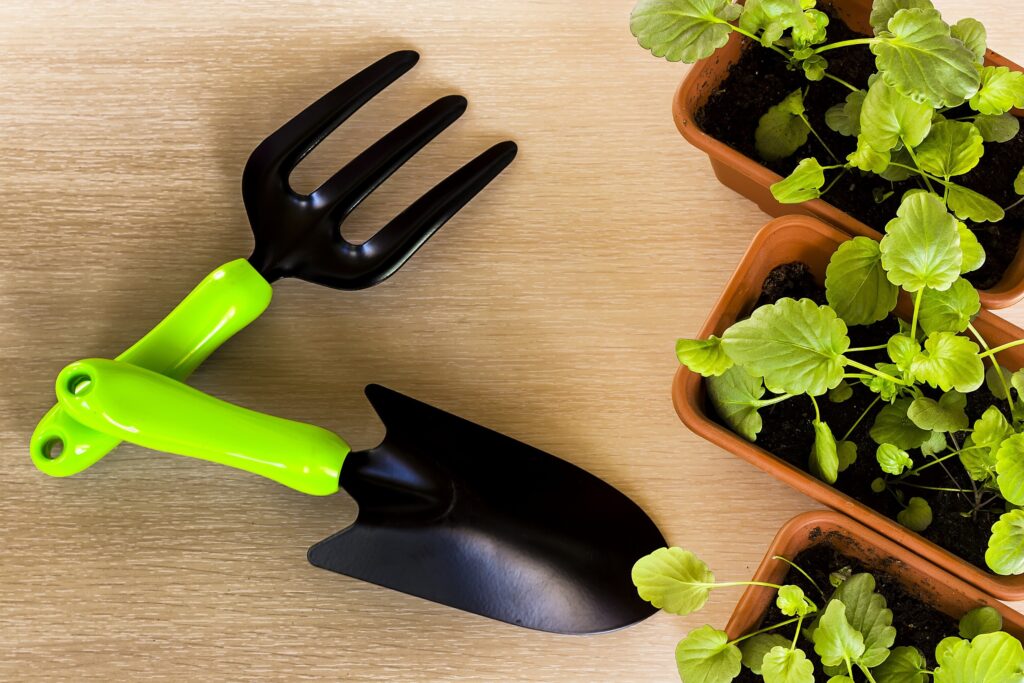
In embracing these eco-friendly and economical gardening hacks, we not only nurture our gardens but also contribute to a healthier planet and society. Sustainable gardening is a testament to the fact that small, thoughtful changes in our daily practices can lead to significant positive impacts on both the environment and our wallets. Let’s cultivate our gardens with care, creativity, and sustainability at the forefront for a greener, more bountiful world.
The Green Gold Rush: Uncovering the Lucrative Secrets of Urban Gardening
When Should I Transplant Sunflower Seedlings?

Catherine is a tech-savvy writer who has focused on the personal finance space for more than eight years. She has a Bachelor’s in Information Technology and enjoys showcasing how tech can simplify everyday personal finance tasks like budgeting, spending tracking, and planning for the future. Additionally, she’s explored the ins and outs of the world of side hustles and loves to share what she’s learned along the way. When she’s not working, you can find her relaxing at home in the Pacific Northwest with her two cats or enjoying a cup of coffee at her neighborhood cafe.
Leave a Reply