
We all know that there is a specific kind of magic that happens when spring finally arrives. The world stretches awake, the soil softens, and suddenly every neighbor with a porch pot becomes a garden philosopher.
But here’s the secret the seasoned growers know: your April garden dreams actually start now, while fall and winter are still swirling around your house like a slow, chilly fog.
Right now, plants are sending out seeds like tiny treasure chests, ready to be gathered, saved, and tucked away for their grand reappearance when sunshine returns.
Sunflowers Hold Summer In Their DNA
Sunflowers are the show-offs of the garden world, towering and bright like nature’s own spotlight. Once they’ve finished blooming, their heads dry into seed-packed discs that are almost comical in their generosity. Collecting seeds from them is shockingly easy: snip the head, let it dry, rub the seeds free, and store them in a paper envelope. What you get is not just next year’s sunflower patch but bird feed, snacks, and a memory of warm, buzzing July afternoons. Come April, when those first sprouts pop up, you will feel like the keeper of a secret gold mine.
Zinnias Are Color Factories Waiting To Reboot
If you grew zinnias this year, you already know they are unstoppable bursts of joy. Their flowers are dazzling confetti explosions that attract bees. The best part is how fast and easy their seeds are to collect—just let the flower heads dry, crumble them between your fingers, and you’ll find arrow-shaped seeds ready to plant again. Saving zinnia seeds is basically printing next year’s color palette for free. By the time spring arrives, you’ll be able to scatter those seeds like a florist with swagger.
Cosmos Give You That Effortless Cottage-Garden Glow
Cosmos are airy, romantic, and somehow always look like they’ve just stepped out of a Renaissance painting. Their seeds are thin, spiky slivers that fall easily from dried petals once the blooms have faded. Grab a handful now and you’re basically pre-paying for a future filled with butterflies drifting lazily around your backyard. They grow fast, bloom like they mean it, and forgive beginner mistakes with the grace of a gardener’s best friend. Your April version will be smug, coffee in hand, watching cosmos rise like pink confetti on stems.
Marigolds Are The Guardians Of Your Beds
Marigolds do so much more than add warm bursts of yellow and orange. They are the loyal defenders of garden beds, quietly repelling pests that think they can stroll through your vegetables without consequences. Their seeds are distinct and dramatic, long and two-toned, making them easy to identify and collect once the flowers dry. Saving marigold seeds now means saving your tomatoes, peppers, and beans later. In April, when your garden thrives without a whisper of complaint, you’ll feel like you cracked an ancient code.
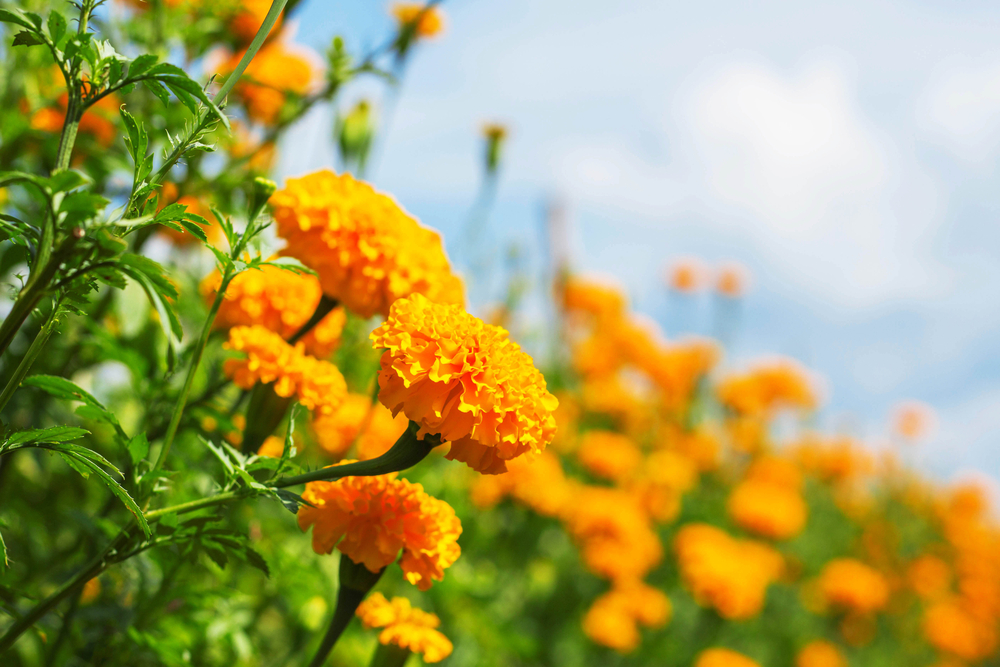
Calendula Is Basically Sunshine With Medicinal Benefits
Calendula has petals that look like golden spokes, radiating enough cheer to keep your mood afloat on the grayest morning. This plant doesn’t just beautify the garden—it has a history of soothing skin, healing scrapes, and starring in homemade salves. Its seeds are curved little crescents, like tiny dried seahorses, that fall easily from their heads when ready. Store them now, and you’ll have both a healing garden and a pollinator paradise come spring. By April, you’ll feel like a cottage witchy herbalist, minus the cauldron but all the charm.
Basil Seeds Mean Summer Pesto Dreams
At the end of the season, basil flowers transform into clusters of tiny black seeds hiding between dried petals. If you’ve ever wanted endless basil without endless grocery store purchases, now is your time to shine. Collecting the seeds is as simple as gently rolling the dried flower heads between your fingers. Next spring, you’ll start basil trays indoors and watch them rise like a promise fulfilled. Then, when April arrives and pesto season wakes up again, your kitchen will smell like a celebration.
Dill Reseeds Like It Has Ambition
Dill doesn’t simply grow—it establishes itself like it’s claiming territory. Once those umbrella-shaped seed heads dry, they shower seeds like confetti for the wind. Collect them before they scatter, and you’ll have next year’s herb garden already secured. Dill has personality, attracting swallowtail butterflies and making your pickles taste like genius-level kitchen wizardry. When April arrives, you’ll be clipping dill fronds with flair.
Beans Give You Seeds And Future Meals
When bean pods dry to a pale, rattling shell, they’re practically begging you to open them. Inside are seeds that look exactly like their previous selves, waiting to become yet another round of vines and climbing trellises. Bean seeds store beautifully and require almost no effort. Collecting them now is like stocking your pantry with possibility. In April, when the trellis climbs anew, you’ll feel like you grew abundance from thin air.
Your Future Garden Will Sing Your Praises
Right now, seeds are everywhere, ready to be stored, saved, and sorted like little packets of future joy. The plants you grew this year are offering you a gift, and collecting that gift means stepping into the role of your own garden’s storyteller. Your April self will walk outside, see green shoots rising, and remember that this moment began in the calm of the off-season. The work you do now is quiet, intentional, and deeply rewarding.
Have you started saving seeds yet? Share what you’re collecting, planning, or dreaming of for your spring garden in the comments below.
You May Also Like…
- 11 Tips for Saving Seeds Before Winter
- Why Some Seeds Germinate Better in Cold Soil
- How To Get Free Seeds From The Government
- Why Gardeners Save More Money Starting Seeds in Fall
- The Ultimate November Garden Checklist: Don’t Skip These Final Tasks

Brandon Marcus is a staff writer for FrugalGardening.com at District Media, Inc., where he delivers practical gardening advice with a relatable, no-nonsense style. An avid amateur gardener, he holds a BA degree and with over ten years of professional writing experience, he is also an award-winning published author whose first book, Questions For Deep Thinkers, was released by Adams Media. His work has appeared in major publications including Fandom.com, CHUD.com, TheColdWire.com, and Fansided.com.
Leave a Reply