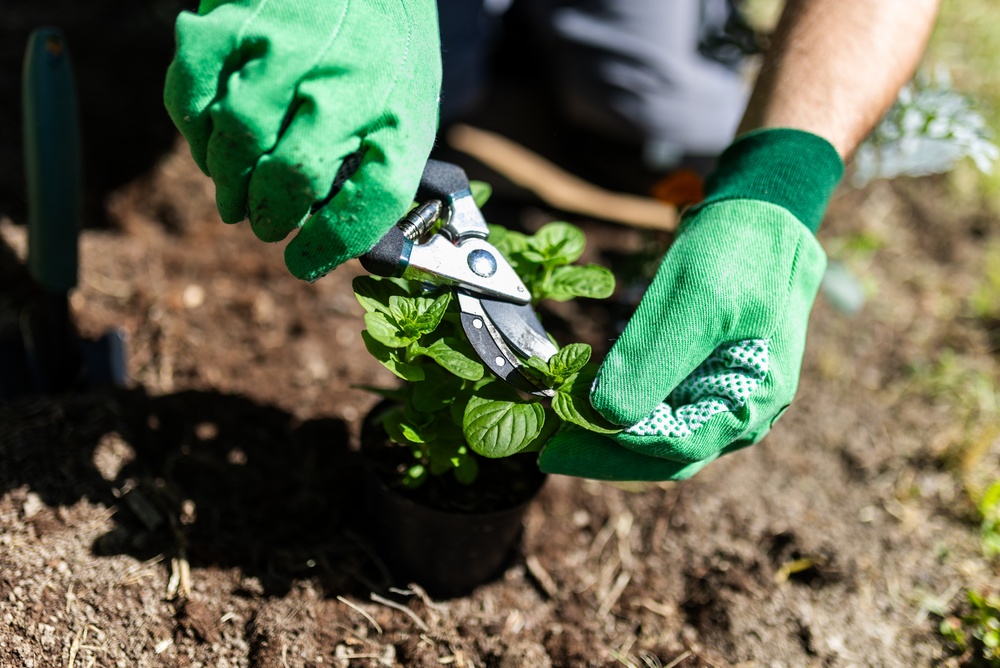
Believe it or not, mint can take a surprisingly serious haircut without disappearing from the garden forever. In fact, cutting back an overgrown mint plant can encourage fresh shoots, improve its shape, and give gardeners another pile of fragrant leaves for tea, cooking, or drying. The trick involves knowing the difference between a confident pruning job and a botanical assassination.
Mint has a reputation for being nearly impossible to stop, and that reputation has some truth behind it. Many mints spread through underground stems and can quickly occupy more garden space than anyone originally intended, which means a healthy established plant usually has plenty of energy below the soil to support new growth. Still, mint does not appreciate every kind of haircut at every time of year, so grabbing the shears and mowing everything to the dirt requires a little more thought.
Mint Can Handle a Serious Haircut
Established mint can recover remarkably well after substantial pruning, particularly when gardeners cut it during active growth and leave healthy nodes along the remaining stems. Those nodes contain buds that can produce new shoots, which explains why a formerly lanky plant can suddenly start filling out after a good trim. For the cleanest result, make cuts just above a set of leaves rather than leaving long, bare stubs.
A badly overgrown mint plant often benefits from exactly this kind of intervention because cutting back long stems removes tired, floppy growth and gives new shoots room to develop. A gardener who finds mint sprawled across the path, flopping over the edge of a container, or producing a jungle of thin stems does not need to panic. Mint usually responds better to sensible pruning than to being left as a tangled green heap.
How Far Can You Cut It Back?
For an established plant in the growing season, gardeners can cut mint back substantially, but leaving some healthy green stems and several leaf nodes gives the plant a much better starting point for regrowth. Cutting stems a few inches down and just above a set of leaves encourages new growth from buds at those points, which can create a fuller plant.
A slightly more conservative approach works especially well when the plant looks stressed, recently suffered drought, or has only recently settled into its planting spot. Instead of turning the entire plant into a pile of stems, remove the longest and weakest growth first, then trim the remaining stems into a compact shape. Gardeners can always make another cut later, but mint cannot politely reattach a stem after the shears have already taken it away.
Timing Makes a Big Difference
The best time for a hard rejuvenating trim generally falls during active growth, when mint has plenty of light, moisture, and warmth available for producing new foliage. Cutting at that point gives the plant an opportunity to replace removed stems with fresh shoots instead of asking it to rebuild itself while growth has slowed dramatically. Regular harvesting also helps keep mint compact because gardeners can snip stems just above leaf sets as they need them.
Fall calls for a little more restraint, particularly with an established herb that gardeners want to carry through winter. Penn State Extension advises against cutting an herb back by more than one-third at one time in fall, so the dramatic summer haircut should not automatically become an autumn tradition. If frost has already arrived and the plant has started shutting down for the season, there is little reason to keep forcing fresh leafy growth with aggressive pruning.
The Cut-and-Come-Back Trick
Mint makes an excellent candidate for repeated harvesting because gardeners can remove stems while still leaving enough foliage and growing points to produce another round of shoots. A useful technique involves cutting several inches down each stem, just above a leaf pair, then allowing the plant to develop branches from the buds at those nodes. This approach works particularly well when mint has started looking tall and skinny rather than pleasantly bushy.
The freshly cut stems do not need to go straight into the compost pile, either. Mint leaves work well fresh, and gardeners can also dry or freeze the herb for later use, although mint contains plenty of moisture and requires quick drying with good air circulation to avoid mold. One enthusiastic pruning session can therefore produce both a tidier plant and enough mint for a suspiciously large number of iced teas.
The Bigger Problem May Be Where Mint Grows
Saving the mint plant sometimes proves easier than saving the rest of the garden from the mint plant. Many mints spread aggressively, and underground stems can help the plant move beyond the spot where the gardener originally planted it. A buried container with drainage holes can help restrict the roots, while regular trimming can keep creeping stems from reaching nearby soil and establishing new plants.
That spreading habit changes the way gardeners should think about hard pruning. Removing top growth does not necessarily solve a mint invasion because the plant can still possess an extensive root system below ground. If mint has already escaped into a flower bed, pruning the foliage may make the garden look tidier for a while, but gardeners also need to monitor the surrounding soil for new shoots and runners.
Give Mint a Haircut, Not a Death Sentence
A hard cut can rescue an established, overgrown mint plant, especially when the gardener makes cuts above healthy leaf nodes during the growing season. Leaving some green growth gives the plant an immediate source of energy while the remaining buds begin producing new shoots. For a stressed or newly planted mint, a lighter trim makes more sense than an extreme chop, and fall pruning deserves extra caution.
The beauty of mint lies in its willingness to forgive a little gardening enthusiasm, but that forgiveness has limits. Cut thoughtfully, harvest often, watch the plant’s condition, and keep its wandering stems in check before the herb decides to annex the neighboring garden bed. If a mature mint plant looks shaggy and overwhelmed, a well-timed haircut may be exactly what it needs, and the gardener gets a fragrant harvest as a bonus.
How aggressively do you cut back mint in your garden, and has it ever surprised you with how quickly it returned? Share your mint-pruning tricks and experiences in the comments.
You May Also Like…
6 Reasons Gardeners Are Mixing Herbs Into Flower Borders
Can You Use Pruned Herb Stems to Start Free New Plants?
Drought‑Resistant Herbs and Spices: Rosemary, Thyme and Sage Thrive with Minimal Water
Don’t Let Your Herbs Bolt—Pinching Tricks to Keep Cilantro and Basil Going
6 Culinary Herbs That Take Off Quickly When Planted Now

Brandon Marcus is a staff writer for FrugalGardening.com at District Media, Inc., where he delivers practical gardening advice with a relatable, no-nonsense style. An avid amateur gardener, he holds a BA degree and with over ten years of professional writing experience, he is also an award-winning published author whose first book, Questions For Deep Thinkers, was released by Adams Media. His work has appeared in major publications including Fandom.com, CHUD.com, TheColdWire.com, and Fansided.com.
Leave a Reply