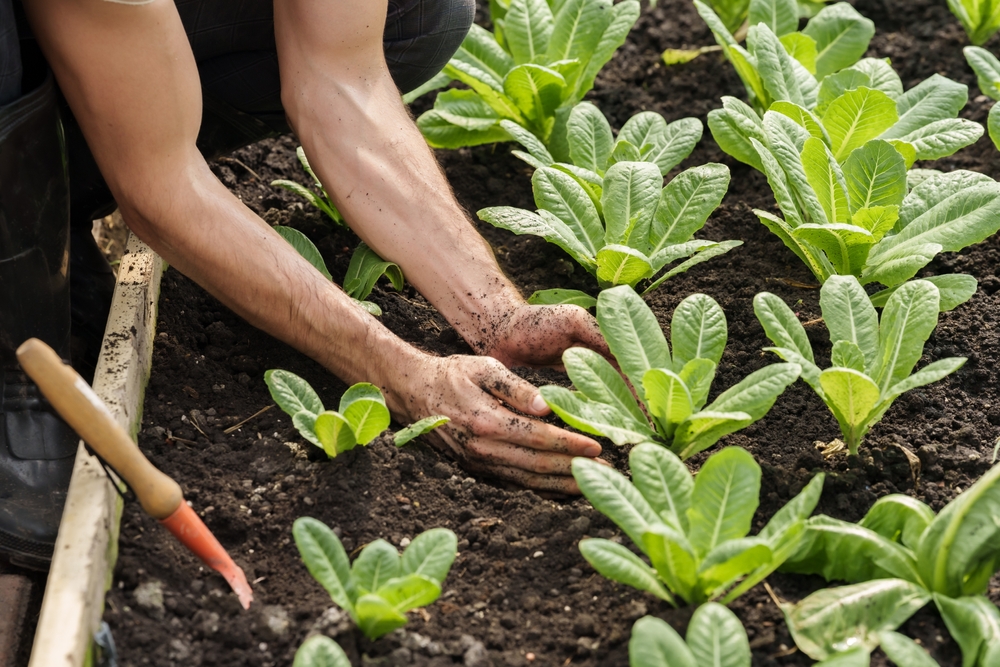
The first frost hits, and most gardeners reluctantly hang up their gloves, pack away their tools, and wave goodbye to fresh greens until spring. But the ones who know better—the clever few—quietly stroll out to their yards with a smirk because they’ve got a secret weapon: the cold frame. A simple box with a clear lid might not look like much, but it’s basically a magic trick for plants, stretching the growing season long after everyone else’s garden has gone to sleep.
Sure, it’s great for lettuce, but that’s just the appetizer. The truth is, cold frames can extend far more than salad greens—they can transform the way you garden all year long.
A Greenhouse’s Little Cousin with Big Ambitions
Think of a cold frame as the underdog of gardening gadgets: small, unassuming, yet surprisingly powerful. It’s like a greenhouse’s low-maintenance cousin, capturing sunlight and trapping heat to create a cozy microclimate for your plants. You don’t need electricity, fancy fans, or a structure the size of a shed—just a clear lid, a sturdy box, and a bit of strategic placement. When the temperature outside dips, the inside of your cold frame stays toasty enough to keep things growing. It’s the gardening equivalent of slipping a blanket over your plants before bed.
More Than Just Lettuce: The Hidden Menu
Sure, lettuce loves a cold frame, but so do carrots, radishes, spinach, and kale. Root crops thrive in the stable environment, developing flavor and texture you just can’t get in midsummer heat. Hardy herbs like parsley and chives also keep their game going, refusing to quit even when frost creeps in. You can even overwinter young onions, garlic, and beets for an early start next season. Once you realize how many plants can flourish inside, it’s hard not to start stuffing your cold frame like a holiday stocking.
An Early Start for Spring Dreamers
Cold frames aren’t just for squeezing out the last of fall—they’re also perfect for jump-starting spring. Instead of waiting impatiently for the ground to thaw, you can sow seeds weeks earlier inside your frame. The gentle warmth gives your seedlings a head start, and by the time other gardeners are still browsing seed catalogs, you’ve already got sprouts stretching toward the light.
It’s like having your own mini nursery without the clutter of grow lights or trays inside your house. For anyone impatient to get growing, a cold frame is the ultimate seasonal loophole.
Perfect for Plant “Hardening Off”
One of the trickiest parts of gardening is transitioning tender indoor seedlings to the big, wild outdoors. The shock of wind, temperature changes, and bright sunlight can turn young plants into wilted messes. Cold frames make that process a breeze by acting as a halfway house between your cozy kitchen and your garden bed. You can gradually expose plants to outdoor conditions without overwhelming them, letting them toughen up naturally. It’s like sending your seedlings to boot camp—but with better living conditions.
The Unexpected Bonus: Pest Protection
Every gardener has battled the usual suspects: rabbits, slugs, and nosy squirrels that seem to treat your garden like an all-you-can-eat buffet. A cold frame acts as a barrier against those freeloaders, keeping your plants safe and sound. The sturdy lid keeps critters out while still letting in sunlight and warmth. Even better, it protects delicate greens from sudden weather tantrums—hail, heavy rain, or harsh winds. It’s like your plants are living in a cozy, secure condo while the rest of the neighborhood gets battered by the elements.

DIY or Store-Bought: Either Way Works
Building your own cold frame is one of the most satisfying weekend projects you can tackle. A few repurposed windows, some scrap wood, and a little creativity are all you need to create a stylish, functional frame. If you’re not the DIY type, store-bought versions come in all sizes and materials, from sleek aluminum frames to simple plastic kits. The key is placement—face it south to soak up as much sunlight as possible and tilt the lid slightly to drain off rain. Whether handmade or purchased, a good cold frame is an investment that pays off in fresh produce, all year long.
A Confidence Booster for New Gardeners
For those just dipping their toes into gardening, cold frames are an easy win. They don’t require the constant fussing that full greenhouses or complex irrigation systems demand. You can start small—just a few heads of lettuce, some spinach, maybe a handful of herbs—and quickly see results. That early success builds confidence, and before you know it, you’re planning crops by season and bragging to your friends about your “winter harvest.” It’s addictive in the best possible way, and it teaches you to read your plants and weather like a pro.
The Secret to Year-Round Connection
Cold frames do more than extend the growing season—they extend your connection to the garden itself. In the dead of winter, when most people are scrolling their phones under a blanket, you’re outside, brushing snow off your frame to peek at tender green leaves. That connection keeps you grounded, reminding you that life continues even when everything seems frozen. The ritual of tending your plants through cold days brings a kind of quiet joy that no supermarket produce can replace. And when you finally harvest a handful of greens in January, it feels like a small victory against the season itself.
The Future of Simple Sustainability
In an age where everything feels complicated, the beauty of a cold frame is its simplicity. It doesn’t rely on technology or constant attention—just sunlight, timing, and a bit of care. You can grow food longer, reduce waste, and rely less on imported produce that’s traveled miles to reach your plate. Cold frames are sustainable by design, and they remind us that innovation doesn’t always mean high-tech—it can mean getting back to basics. In a world that’s speeding up, a humble wooden box might be the most quietly revolutionary gardening tool you own.
Your Garden’s Secret Superpower
Cold frames are the unsung heroes of year-round gardening—quiet, efficient, and surprisingly versatile. They don’t just extend your lettuce harvest; they extend your confidence, your growing season, and your relationship with the soil itself. Whether you’re a seasoned gardener or a curious beginner, adding a cold frame can completely change the rhythm of your gardening life. It’s proof that with a little creativity, you can outsmart the weather and keep your hands in the dirt when everyone else has called it quits.
Have you tried using a cold frame? Share your experiences, favorite crops, or clever setup ideas in the comments section.
You May Also Like…
Lettuce – Key Growing and Transplanting Information
8 Cold-Tolerant Greens to Plant in September
How Frost Can Sweeten Certain Vegetables Overnight
7 Garden Diseases That Spread Faster in Cool, Damp Weather
Why Straw Mulch Protects Roots in Cold Weather

Brandon Marcus is a staff writer for FrugalGardening.com at District Media, Inc., where he delivers practical gardening advice with a relatable, no-nonsense style. An avid amateur gardener, he holds a BA degree and with over ten years of professional writing experience, he is also an award-winning published author whose first book, Questions For Deep Thinkers, was released by Adams Media. His work has appeared in major publications including Fandom.com, CHUD.com, TheColdWire.com, and Fansided.com.
Leave a Reply