
Usually, most of us see weeds as yard villains. They crash our carefully curated gardens, steal sunlight from our favorite flowers, and grow faster than we can pull them out. But here’s a plot twist: some of those so-called “troublemakers” are not only edible—they’re downright delicious.
As summer fades and September’s cooler days roll in, a surprising buffet of wild greens starts sprouting in backyards, sidewalks, and fields. You might be tossing out the same plants that gourmet chefs and herbalists hunt for.
1. Dandelion – The Underdog of the Lawn
Ah, the humble dandelion. You’ve probably spent hours waging war against this cheerful yellow rebel, but dandelions are nutritional powerhouses in disguise. Their leaves are packed with vitamins A, C, and K, plus they have a gentle bitterness that adds depth to salads or sautés. The roots? Roast them, and you’ve got yourself a caffeine-free coffee substitute that tastes surprisingly earthy and rich. From flower to root, every part of this plant is edible—and it’s one of nature’s easiest free snacks to find in early fall.
2. Purslane – The Succulent Superweed
Purslane looks like your average crawling nuisance, but it’s basically a natural source of omega-3 fatty acids hiding in plain sight. Its juicy, lemony leaves have a delightful crunch that makes them perfect for salads, wraps, or even smoothies. This weed thrives in dry, neglected soil, which means it loves to pop up when the rest of your garden calls it quits. Nutrition-wise, purslane rivals spinach and kale—it’s a quiet overachiever with a wild streak. If you see it spreading across your walkway this September, consider letting it stay for dinner.
3. Lamb’s Quarters – The Wild Spinach
Lamb’s quarters look unassuming, but they’re like spinach’s cool, rebellious cousin. The leaves have a mild, nutty flavor and can be used anywhere you’d normally use leafy greens—soups, sautés, omelets, you name it. This plant thrives in disturbed soil, meaning it loves to grow in gardens, construction sites, and anywhere humans have meddled. It’s high in calcium, iron, and protein, making it a wild green with some serious muscle. Once you’ve tasted it sautéed with garlic and olive oil, you’ll stop pulling it out and start picking it intentionally.
4. Chickweed – The Garden Nibbler
If you’ve noticed a delicate tangle of tiny green leaves taking over your flowerbeds, chances are you’ve met chickweed. This dainty little plant tastes like fresh corn silk—mild, slightly sweet, and refreshing. Chickweed loves the cooler air of September and can often be found thriving long after other greens have wilted. You can toss it raw into salads or use it as a garnish for soups and sandwiches. Just make sure to harvest it young before it flowers, when the leaves are at their most tender and flavorful.
5. Plantain – The Pavement Survivor
No, not the banana-like fruit—this is the broadleaf or ribwort plantain, a tough little green that thrives where nothing else dares grow. You’ll find it poking through cracks in sidewalks or compacted soil near driveways. The young leaves are best for eating, offering a slightly bitter, earthy flavor perfect for stir-fries or herbal teas. It’s also famous in folk medicine for soothing insect bites and scrapes—nature’s first-aid kit right under your feet. So next time you spot it, think twice before mowing it down.
6. Clover – The Lucky Green Snack
You might know clover as the symbol of good luck, but it’s also a snack hiding in your lawn. Both red and white clover have edible flowers and leaves that bring a light, sweet flavor to teas, salads, and baked goods. The flowers can even be dried and ground into flour for a protein boost. In September, clover blooms often persist, filling meadows with both beauty and nutrition. And who knows—maybe eating your four-leaf clovers will double your good fortune.
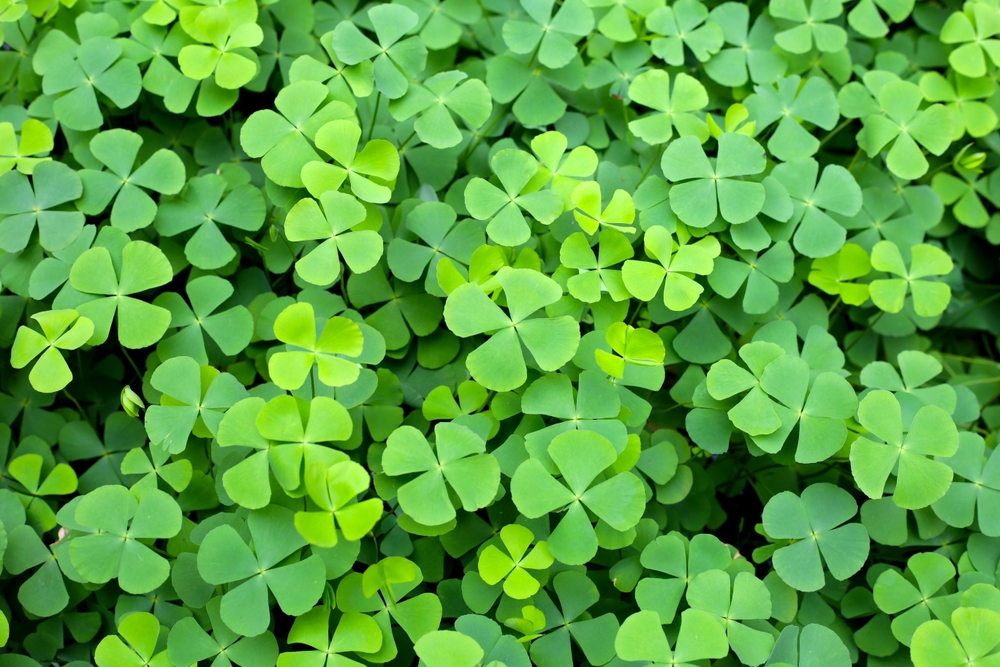
7. Wood Sorrel – The Lemon Zing Weed
Wood sorrel is one of those plants that surprises you with its taste—bright, tangy, and slightly sour, like a natural lemon candy. Its heart-shaped leaves make it easy to identify, and it loves shady spots under trees or fences. A few leaves can add a punch of citrusy flavor to salads or fish dishes. But go easy—it contains oxalic acid, which can be hard on the stomach in large quantities. Still, as a flavor enhancer, wood sorrel is a forager’s favorite find in early autumn.
8. Sheep Sorrel – The Tart Trail Companion
Similar to wood sorrel but with a sharper tang, sheep sorrel is a wild green that thrives in open fields and along hiking paths. Its slender arrow-shaped leaves are hard to miss once you know what to look for. The taste is delightfully tart—somewhere between lemon and green apple—which makes it perfect for mixing into sauces, soups, or herbal teas. Indigenous cultures have used sheep sorrel for centuries in both food and medicine, especially for its cleansing properties. If you stumble upon a patch this September, take a nibble—you’ll understand why it’s such a foraging favorite.
9. Mallow – The Smooth Operator
Mallow might not win any beauty contests, but its soft, velvety leaves and mild flavor make it an unsung hero of wild edibles. It’s sometimes called “wild okra” because its leaves contain a natural thickening agent, making it ideal for soups and stews. In September, mallow plants are often still going strong, showing off pale purple flowers and broad, rounded leaves. You can eat them raw when young or cook them down for a silky texture that’s surprisingly comforting. It’s proof that even the most overlooked weeds can add elegance to your plate.
Nature’s Free September Feast
Weeds get a bad rap, but as it turns out, many of them are simply misunderstood gifts from the earth. September is a prime time to explore these hidden treasures—when the weather cools, and the fields are still buzzing with life. With a little curiosity and caution (always make sure you correctly identify what you pick!), your backyard could double as your grocery store. Each of these edible weeds offers a connection to the wild world around us and a reminder that good food doesn’t always come from the store.
Have you foraged any of these September superweeds? Share your thoughts, stories, or foraging adventures in the comments below.
You May Also Like…
5 Fall Weeds You Should Pull Immediately
9 Weeds That Spread Toxic Pollen Without Warning
The Mulch Trick That Saves Water and Fights Weeds
7 Composting Tricks That Only Work in Autumn
9 Vegetables That Attract Aphids in Fall

Brandon Marcus is a staff writer for FrugalGardening.com at District Media, Inc., where he delivers practical gardening advice with a relatable, no-nonsense style. An avid amateur gardener, he holds a BA degree and with over ten years of professional writing experience, he is also an award-winning published author whose first book, Questions For Deep Thinkers, was released by Adams Media. His work has appeared in major publications including Fandom.com, CHUD.com, TheColdWire.com, and Fansided.com.
Leave a Reply