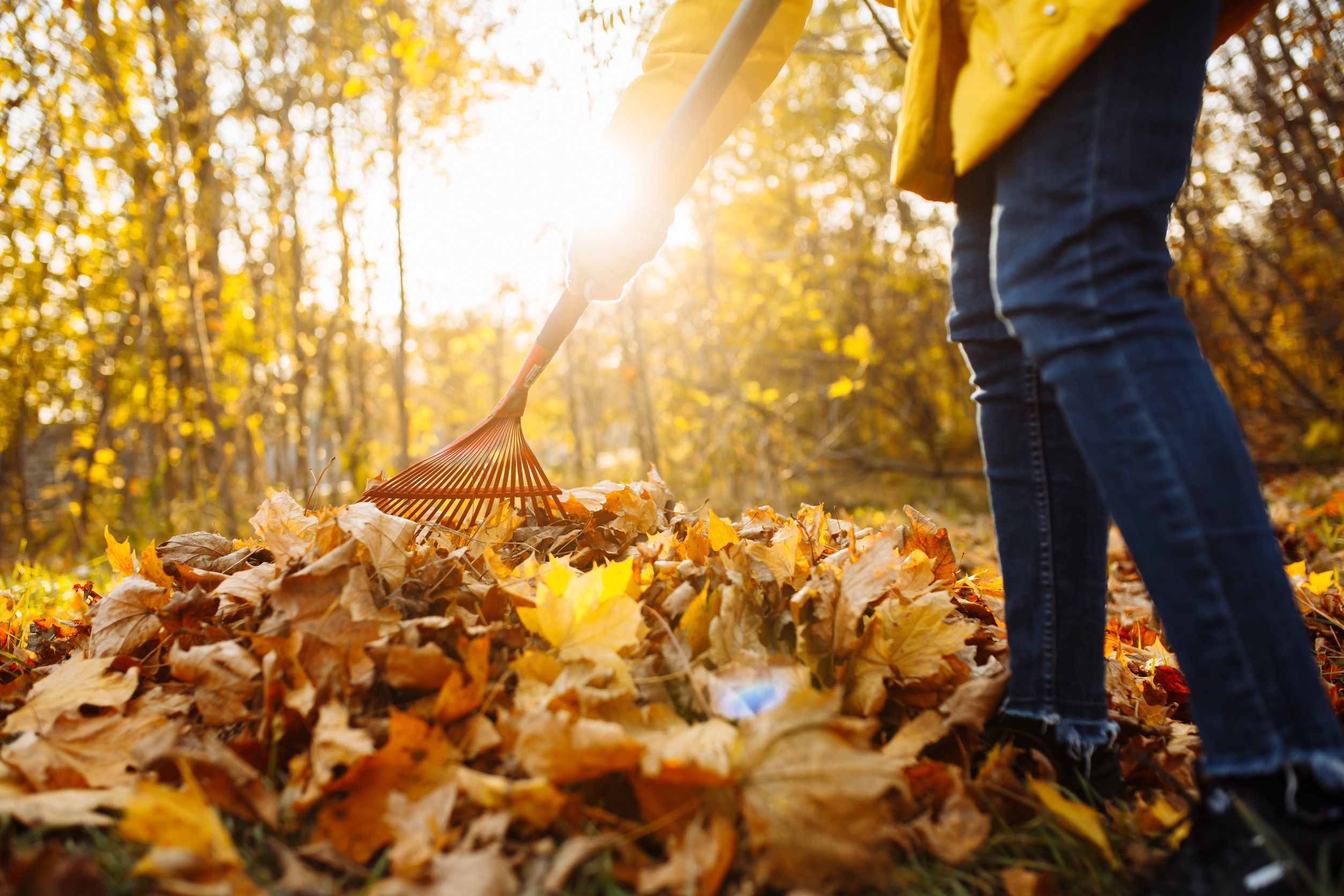
Crunch, crunch, crunch—that’s the sound of fall under your feet. For many of us, leaf piles scream childhood joy, backyard chores, or maybe even a quick Instagram photo op. But beneath those layers of crispy reds, golds, and browns, there’s more happening than you might expect.
Leaf piles aren’t just autumn’s confetti—they’re a bustling five-star hotel for some of nature’s most beneficial insects. If you’ve ever wondered why bugs seem to love leaf litter, the answer is both fascinating and surprisingly good news for your garden.
Nature’s Cozy Blanket
When leaves fall, they create a natural blanket that protects the ground from harsh temperatures. Insects like ladybugs, beetles, and lacewings crawl under the pile to escape the cold, using the leaves like a cozy quilt. These creatures don’t just hibernate; some remain active, feeding on pests that could harm your plants later. The thicker the pile, the better the insulation, which means more insects make it through winter alive. Without this protection, many beneficial species would struggle to survive until spring.
A Buffet for Soil Builders
Leaf piles are more than just shelter—they’re a feast. As leaves break down, they attract fungi, bacteria, and tiny critters that start the decomposition party. Beetles and other insects feed on this buffet, turning leaf litter into nutrient-rich soil for your garden. Worms and millipedes join the crowd, breaking down leaves into smaller bits that plants can eventually use. By letting the buffet roll on, you’re basically feeding your future flower beds and veggie patches.
Pest Patrol in Disguise
Not every insect in a leaf pile is lounging around doing nothing. Predatory bugs like ground beetles and spiders often set up camp there, lying in wait for harmful pests. When spring rolls in, these insect bodyguards are already on duty, munching on aphids, caterpillars, and other nuisances. This natural pest control helps reduce the need for chemical sprays, saving your wallet and the environment. Think of your leaf pile as a hidden security force patrolling your garden for free.
A Nursery for Pollinators
Some pollinators also depend on leaf litter to raise their next generation. Butterflies such as the Mourning Cloak or moths like the Luna often lay eggs or overwinter as pupae in leaf piles. By leaving those leaves undisturbed, you’re giving these species a safe nursery to grow until they’re ready to flutter into spring. And once they do, they’ll help pollinate your flowers, fruits, and vegetables. It’s like planting seeds of pollinator magic without lifting a finger.
Micro-Habitats Create Diversity
One of the coolest things about leaf piles is that they create micro-habitats. Different layers—damp at the bottom, dry at the top—attract different types of insects. Some prefer the moisture, while others like a drier hideout, meaning a single pile can host a surprising variety of species. This biodiversity strengthens your garden’s ecosystem, making it more resilient to pests and disease. In short, a messy-looking pile equals a thriving, balanced bug community.

A Low-Effort Way to Help Nature
Here’s the best part: supporting beneficial insects through leaf piles requires zero effort. Instead of raking and bagging, you simply let the leaves rest in a quiet corner of your yard. Nature takes it from there, inviting insects, worms, and microbes to do their thing. Not only does this save you time, but it also keeps tons of yard waste out of landfills. It’s a win-win for your back, your garden, and the environment.
Don’t Underestimate the Pile
So, the next time you eye that mountain of leaves in your yard, resist the urge to bag it all up. Leaf piles aren’t just seasonal clutter—they’re safe havens, buffets, nurseries, and ecosystems rolled into one. By leaving them alone, you’re giving beneficial insects the chance to thrive, which in turn keeps your garden healthier and more vibrant.
What do you think—are you ready to let leaf piles work their magic in your yard? Share your thoughts, stories, or insect encounters in the comments section below.
You May Also Like…
- How to Build a Leaf Mold Pile That Actually Breaks Down
- 11 Trees With Leaves Worth Collecting for Mulch
- 12 Herbs That Thrive in Cooler Temperatures
- 7 Innocent-Looking Shrubs That Harbor Invasive Insects
- How to Make Your Garden Pollinator-Friendly Without Buying a Single Bee House

Brandon Marcus is a staff writer for FrugalGardening.com at District Media, Inc., where he delivers practical gardening advice with a relatable, no-nonsense style. An avid amateur gardener, he holds a BA degree and with over ten years of professional writing experience, he is also an award-winning published author whose first book, Questions For Deep Thinkers, was released by Adams Media. His work has appeared in major publications including Fandom.com, CHUD.com, TheColdWire.com, and Fansided.com.
Leave a Reply