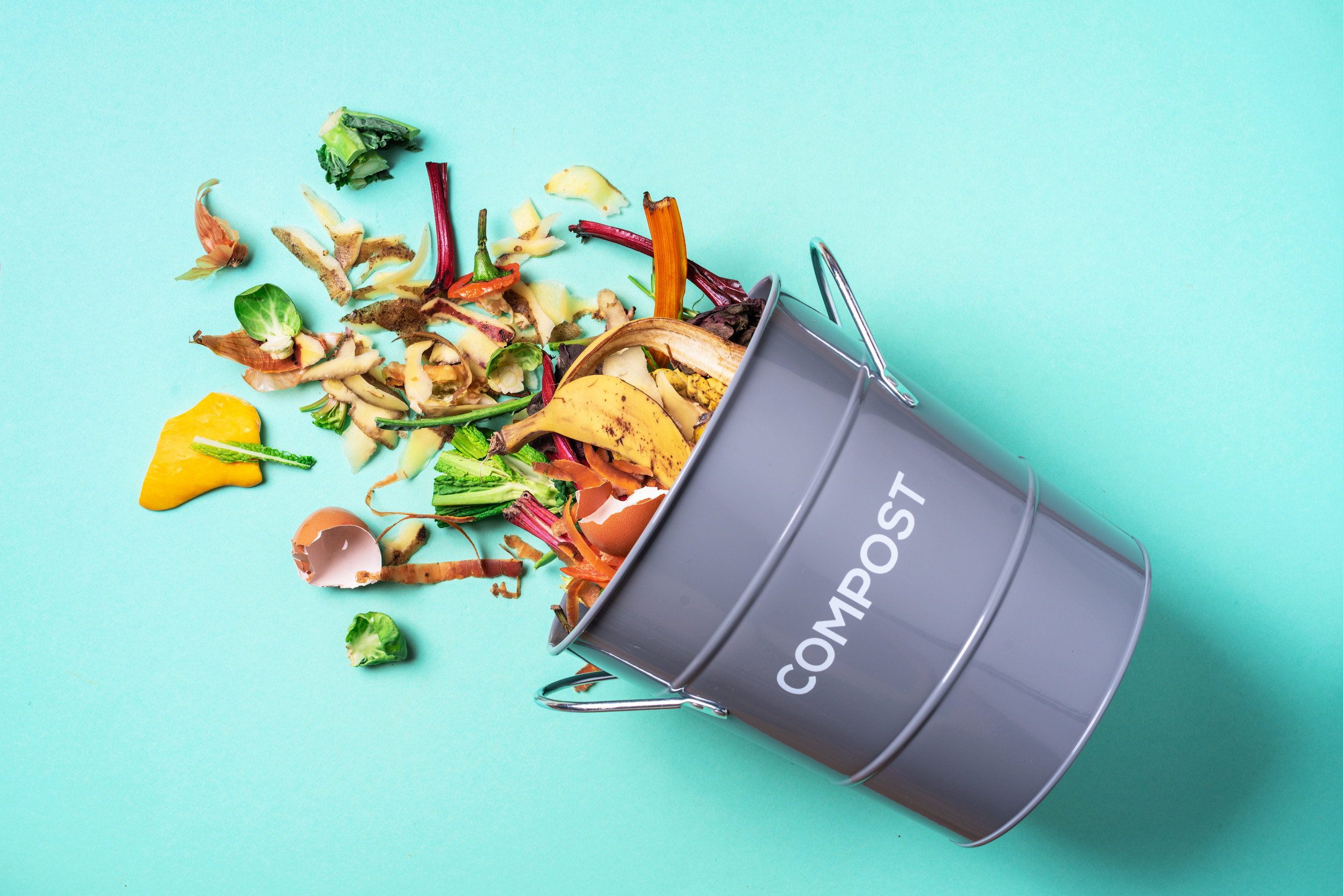
If you’ve ever stood over your compost pile wondering why it looks more like a sad heap of yard waste than the rich, earthy black gold you were promised, you’re not alone. Composting is nature’s recycling system, but sometimes it feels like it’s moving at the speed of a lazy Sunday nap. Gardeners everywhere want faster results, because waiting months for soil magic can test even the most patient green thumb.
Here’s the good news: there is a secret ingredient that can rev up your compost and cut your wait time in half. And no—it’s not fairy dust, though it might feel like it when you see the results.
The Unsung Hero: Nitrogen Boosters
At the heart of composting is the balance between carbon (“browns” like dried leaves, cardboard, and twigs) and nitrogen (“greens” like grass clippings, veggie scraps, and coffee grounds). When this balance tips too far toward carbon, decomposition crawls. Enter the secret ingredient: nitrogen-rich materials. They act like fuel for the microbes that power your compost, speeding up their breakdown process dramatically. Adding things like alfalfa meal, fresh grass, or even leftover kitchen scraps can shift the balance and kickstart the microbial party.
Why Microbes Are the Real MVPs
Think of microbes as the tiny chefs cooking up your compost recipe. These invisible workers need energy, water, and air to transform your pile into garden-ready soil. Without enough nitrogen, they run out of steam, and your compost sits there like an unfinished project. With the right boost, though, microbes multiply and devour your pile with lightning speed. The result? Rich, crumbly compost in weeks instead of months.
Surprising Sources of Nitrogen
Here’s where it gets fun: you don’t have to buy anything fancy to give your compost that nitrogen kick. Coffee grounds, tea leaves, and even spoiled produce are nitrogen-packed gems hiding in your kitchen. Got pets? Rabbit droppings and chicken manure are fantastic accelerators. Gardeners who live near farms sometimes score alfalfa pellets or manure for a supercharged pile. With a little creativity, you’ll never run short of nitrogen fuel.
Moisture and Air: The Supporting Cast
Of course, nitrogen alone can’t do all the heavy lifting. Your compost pile also needs the right moisture level—damp like a wrung-out sponge—and plenty of oxygen. That means turning your pile regularly and making sure it doesn’t dry out or drown in excess water. The more air and water your microbes get, the faster they work. Think of nitrogen as the espresso shot and moisture plus oxygen as the perfect cup to hold it all together.
The Myth of the “Secret Recipe”
Some people swear there’s a perfect ratio or a magical recipe that guarantees lightning-fast compost. In reality, the “secret ingredient” is less about formulas and more about balance. A pile too heavy on browns will stall, while too many greens can turn it slimy and smelly. The trick is noticing what your compost looks and smells like and adjusting accordingly. The secret isn’t really a single recipe—it’s learning how to feed and care for your compost like the living system it is.
Turning Waste Into Garden Gold
When you master the nitrogen boost, you’ll be amazed at how quickly your pile transforms. What once felt like endless waiting becomes an exciting process—you’ll notice heat, steam, and the sweet smell of soil in no time. This fast-track method not only saves you time but also keeps more food scraps and yard waste out of landfills. It’s eco-friendly, cost-effective, and deeply satisfying. And let’s be honest—there’s nothing cooler than telling your friends you’ve hacked the composting game.
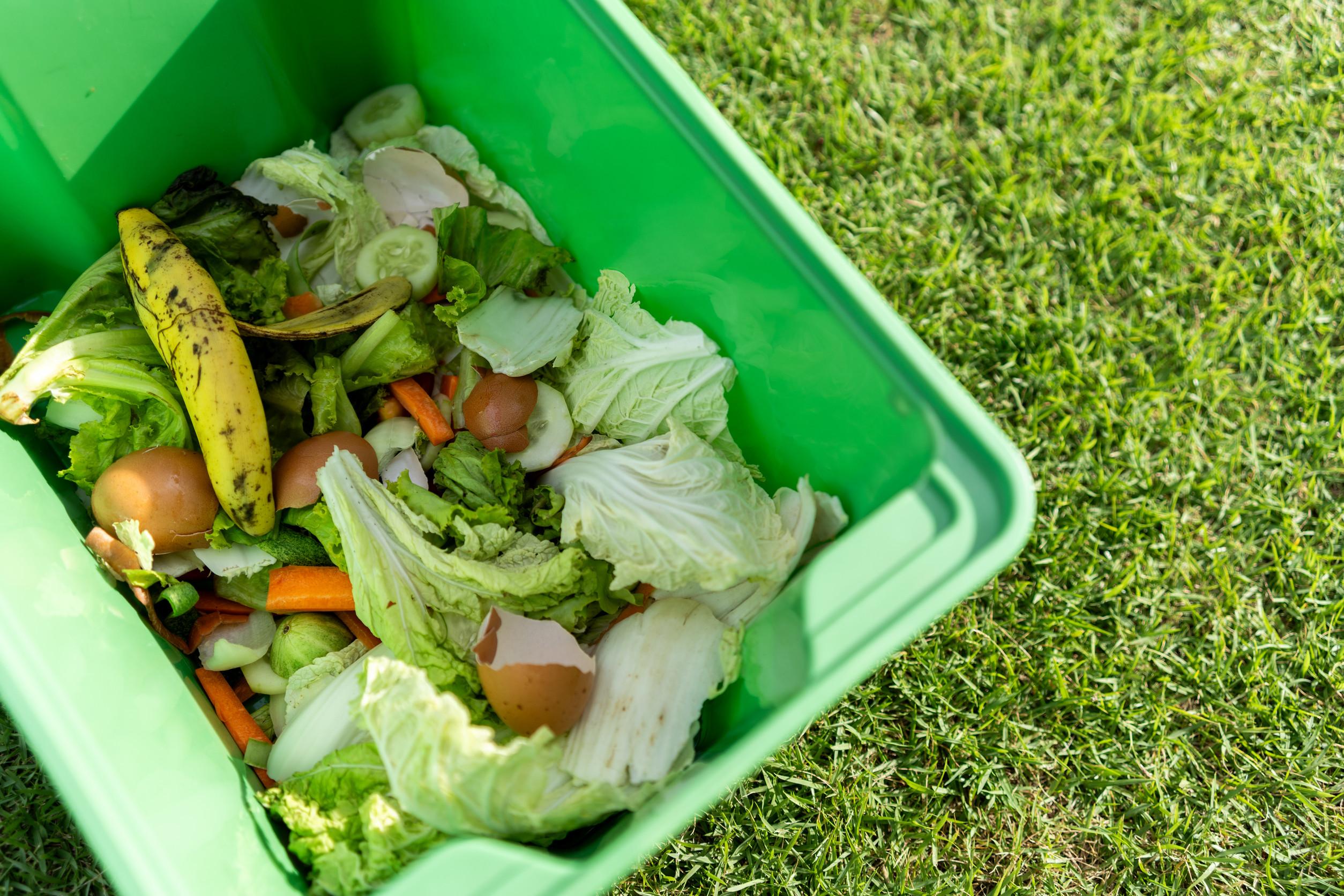
Compost Like a Pro
The secret ingredient that makes compost work twice as fast isn’t a magic powder or expensive product—it’s nitrogen. By giving your microbes the fuel they need, you can turn scraps into soil far quicker than you thought possible. Add in regular moisture, oxygen, and a little bit of balance, and you’ll be harvesting black gold in record time.
Have you tried adding nitrogen-rich ingredients to your compost? Share your tips, tricks, or composting victories in the comments below.
You May Also Like…
- How to Build a Compost Bin Outdoors in 5 Simple Steps
- Use These 8 Winter Composting Tips for Gardeners
- The One Thing You Should Always Do Before Planting Anything
- Why Your Garden Soil Might Be Too Rich
- 6 Hidden Pest Infestations That Start in the Backyard

Brandon Marcus is a staff writer for FrugalGardening.com at District Media, Inc., where he delivers practical gardening advice with a relatable, no-nonsense style. An avid amateur gardener, he holds a BA degree and with over ten years of professional writing experience, he is also an award-winning published author whose first book, Questions For Deep Thinkers, was released by Adams Media. His work has appeared in major publications including Fandom.com, CHUD.com, TheColdWire.com, and Fansided.com.
Leave a Reply