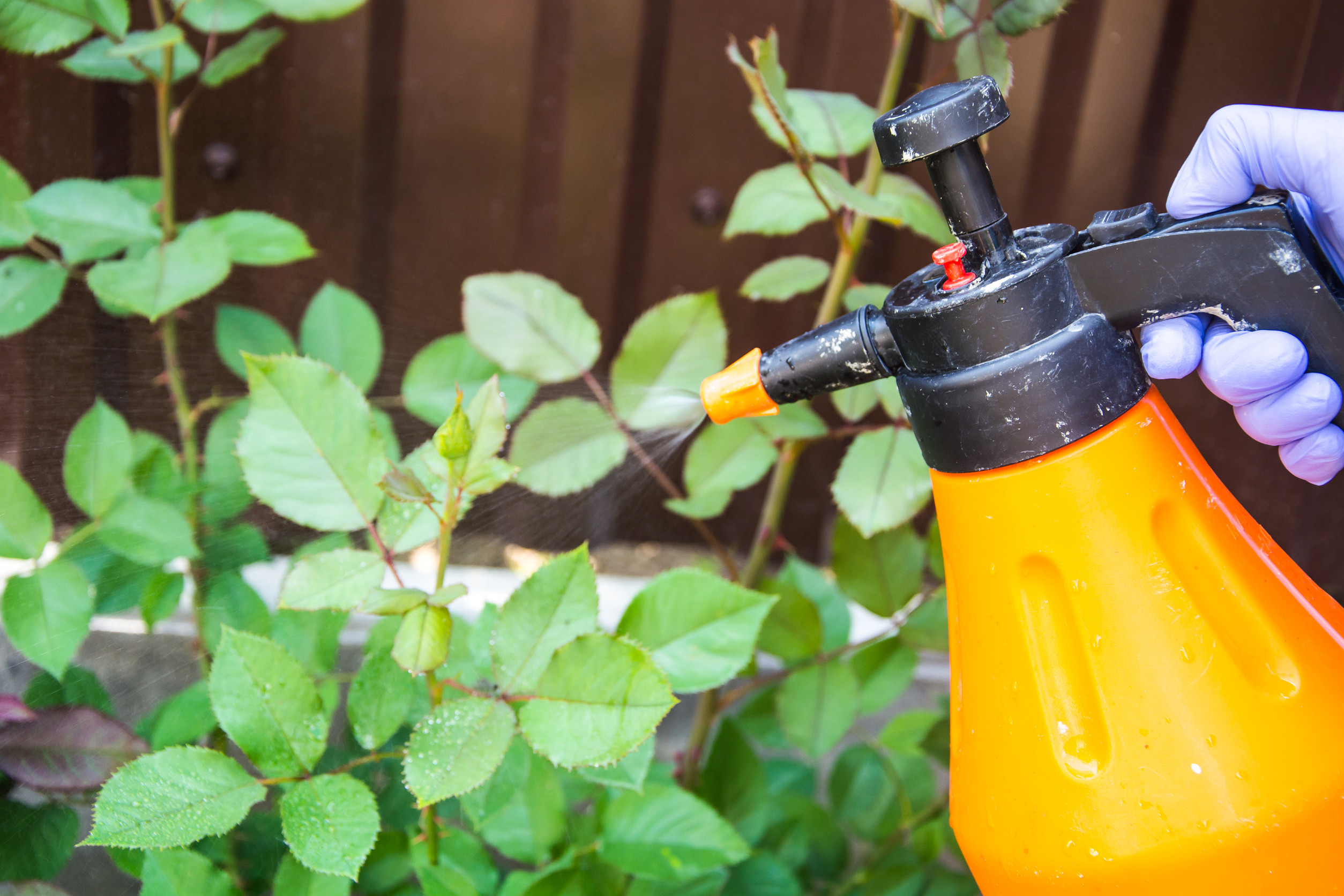
Got ants parading through the kitchen, or spiders acting like they own the corners of your home? The instinct is to grab a shiny can of store-bought pest spray, but here’s the catch: those sprays often come packed with harsh chemicals and a price tag that feels like an ambush of its own.
The good news is there’s a powerful, natural, and ridiculously effective DIY pest spray you can whip up at home with just a few ingredients. It smells fresher, costs less, and sends bugs packing faster than you’d expect. This is the secret weapon pests never see coming.
Why Store-Bought Sprays Aren’t as Great as They Seem
Big-name sprays rely on heavy-duty chemicals that often mask the problem instead of solving it long-term. Many contain ingredients that linger in the air and on surfaces, which isn’t ideal for kids, pets, or your own lungs. Bugs also build resistance over time, meaning those chemicals lose their punch after repeat use. On top of that, the synthetic smells can feel like a punch to the nose. Bottom line: convenience doesn’t always mean effectiveness.
The Simple Ingredients That Make Magic Happen
The beauty of a DIY spray is that it uses common kitchen and household staples with surprising pest-repelling power. Vinegar works as the sharp, sour base that bugs hate to crawl across. Essential oils like peppermint, lavender, or tea tree oil bring a one-two punch of freshness and insect deterrence. Dish soap helps the formula cling to surfaces and bugs themselves, breaking down their defenses. Add water to tie it all together, and suddenly you’ve got a natural powerhouse.
Mixing Up Your DIY Pest Spray
Making this spray is as easy as stirring up a salad dressing, only you don’t have to taste-test. Start with equal parts vinegar and water in a spray bottle, leaving some room for the extras. Add a few drops of your favorite essential oil—peppermint is especially brutal on ants and spiders. A teaspoon of dish soap rounds it out and helps everything blend together. Shake it well before each use to keep it potent and ready.
How and Where to Use It for Maximum Impact
Spray it along baseboards, windowsills, and entry points where bugs sneak in like uninvited guests. A quick mist in corners, under sinks, and around trash cans sets up a natural barrier. For ants, trace their trail and spray directly where they march to cut off their chemical signals. Spiders get the message fast when their hiding spots suddenly smell like peppermint candy. The best part is you can reapply as often as you like without worrying about harsh side effects.
Why It Outsmarts Bugs Long-Term
Unlike chemical sprays that pests adapt to, vinegar and essential oils stay naturally effective. Ants, spiders, and even fruit flies rely on scent to navigate, and this spray scrambles their system. The lingering smell keeps them from returning, which is better than killing a few and waiting for the next wave. Since it’s easy to make, you never run out and can refresh your defense in minutes. That consistency makes it more powerful than any can you pull off a store shelf.
Safe for Families, Pets, and the Planet
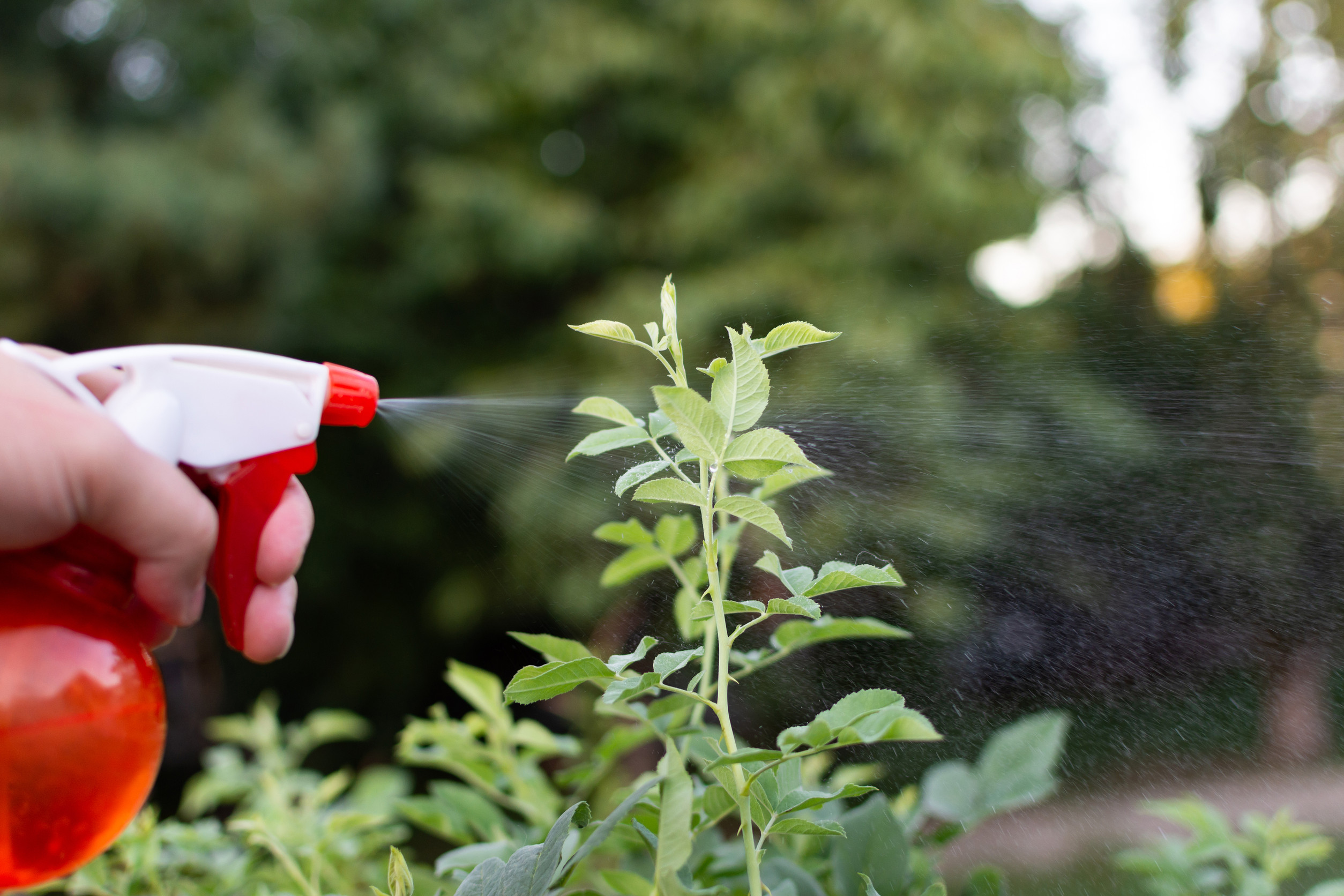
This spray doesn’t fill the air with synthetic toxins that leave you coughing or worried about residue. It’s gentle enough to use around children and animals, though like any cleaner, it shouldn’t be ingested. The ingredients break down quickly, leaving no harmful footprint behind. That means less environmental guilt and more peace of mind while protecting your home. Think of it as a win for your household and the planet at the same time.
The Cost Advantage Nobody Talks About
A single bottle of store-bought pest spray can set you back more than the combined cost of vinegar, essential oils, and soap. Since you probably already have most of these items, it feels more like repurposing than spending. Each batch costs pennies compared to the chemical alternatives. And because you can whip up new bottles endlessly, you’ll never run into the problem of running out mid-battle. The savings add up quickly without sacrificing results.
The Bonus of a Fresh-Smelling Home
Instead of that eye-watering “chemical storm” smell, this DIY spray leaves your space crisp and inviting. Peppermint gives a cool, energizing vibe, while lavender adds a calming note that doubles as a bug deterrent. You can even customize scents to match the season or your mood. Guests won’t know you’ve armed your house against pests—they’ll just notice how great it smells. Protection and atmosphere, all in one bottle, is a serious upgrade.
Take the Natural Route and Win the Pest Battle
A clean, safe, and bug-free home doesn’t require a chemical arsenal from the store shelf. With a simple mix of vinegar, water, essential oils, and soap, you’ve got everything you need to outsmart pests for good. It’s cheaper, safer, and more effective in the long run, making it the ultimate pest-fighting hack. Give it a try and see how fast it changes the game in your home.
Share your results or drop a comment—what pests are you ready to send packing first?
You May Also Like…
5 Bugs in Your Garden That Could Be Destroying Your Home’s Foundation
6 Hidden Pest Infestations That Start in the Backyard
7 Innocent-Looking Shrubs That Harbor Invasive Insects
10 Gardening Habits That Are Actually Destroying Your Soil
Are You Poisoning Your Garden? 6 Organic Pest Control Methods That Work

Brandon Marcus is a staff writer for FrugalGardening.com at District Media, Inc., where he delivers practical gardening advice with a relatable, no-nonsense style. An avid amateur gardener, he holds a BA degree and with over ten years of professional writing experience, he is also an award-winning published author whose first book, Questions For Deep Thinkers, was released by Adams Media. His work has appeared in major publications including Fandom.com, CHUD.com, TheColdWire.com, and Fansided.com.
Leave a Reply