• Skip to primary navigation
  • Skip to main content
  • Skip to primary sidebar

Frugal Gardening

Simple ways to save money while you garden

  • About
  • Contact Us
  • Garden Frugally
  • Buy These
  • Our Editorial Commitment
  • Navigation Menu: Social Icons

    • Facebook
    • Pinterest
    • Twitter

The One Plant You Shouldn’t Put Next to Tomatoes – According to Gardeners

June 6, 2025 by Teri Monroe Leave a Comment

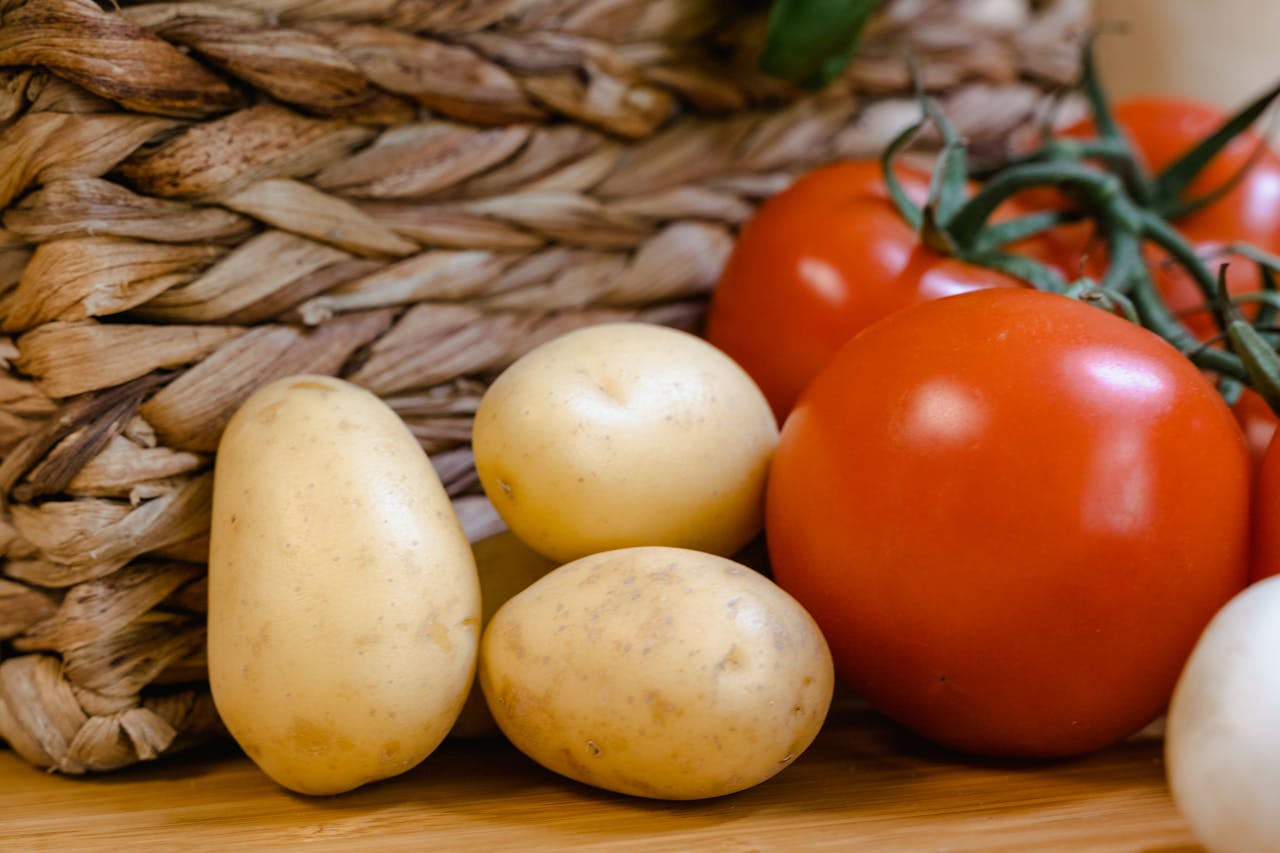
potato and tomatoes
Image Source: Pexels

Tomatoes are a staple in many home gardens, and for good reason. They’re versatile, delicious, and relatively easy to grow. But if you’re planning your garden layout, there’s one important rule to follow. Don’t plant tomatoes next to potatoes. Here we’ll discuss why planting these two next to each other is a big no-no.

Why Tomatoes and Potatoes Don’t Mix

At first glance, tomatoes and potatoes seem like perfect neighbors. They’re both part of the nightshade family (Solanaceae), which includes other favorites like peppers and eggplants. But when it comes to growing them side by side, their similarities are exactly what causes problems. You’ll find that for a variety of reasons these plants when near each other will fail to thrive. Read on to learn why it’s a bad idea to group these plants together.

1. Shared Pests and Diseases

Tomatoes and potatoes are prone to many of the same issues. The most notable is a devastating fungal disease caused by Phytophthora infestans, or potato or tomato blight. This disease can quickly spread between the two plants, especially in warm, humid conditions. If you plant them together, you double the chances of an outbreak that could wipe out both crops. The potato or tomato blight will cause your plants to rot and decay.

2. Nutrient Competition

Nutrient competition is also a big problem for tomatoes and tomatoes planted together. Both plants are heavy feeders and pull many of the same nutrients from the soil. According to gardeners, when grown close together, they compete for essential elements like nitrogen and potassium. This can stunt growth and reduce yields for both crops. Ultimately, you’ll risk damaging both your harvests.

3. Root Disturbance

Potatoes need to be dug up at harvest, and this process can easily damage the shallow roots of nearby tomato plants. This leads to blossom end rot. Blossom end rot happens formation of the fruit, where small imperfections can begin to show up. You won’t know that blossom end rot is a problem until it’s too late and your tomatoes are already growing fruit. In addition, damaged roots can lead to stress, lower fruit production, and make tomatoes more vulnerable to disease.

Better Companion Options

There are several better companion options for your potatoes and tomatoes. If you’re growing tomatoes, consider planting them near basil, marigolds, carrots, lettuce, or onions instead. These plants can help deter pests, enhance flavor, or make better use of garden space without competing too heavily. As for potatoes, good companions include beans, cabbage, and corn. These help break pest cycles or enhance the soil in ways that benefit potato growth.

Watch Your Tomatoes Thrive

While it might be tempting to keep similar plants together for convenience, tomatoes and potatoes are best kept in separate areas of the garden. Planting them together is too risky. By giving each crop its own space, you’ll reduce the risk of disease, improve yields, and make your gardening efforts much more rewarding.

Read More

That Slope in Your Backyard Is Destroying Your Home

How Frugal Gardening Hacks Can Turn $5 Into a Blooming Oasis

Photograph of Teri Monroe
Teri Monroe

Teri Monroe started her career in communications working for local government and nonprofits. Today, she is a freelance finance and lifestyle writer and small business owner. In her spare time, she loves golfing with her husband, taking her dog Milo on long walks, and playing pickleball with friends.

Filed Under: garden tips Tagged With: gardening advice, potatoes, tomatoes

Previous Post: « That Slope in Your Backyard Is Destroying Your Home
Next Post: This Unusual Watering Schedule Is Saving Gardens During Heatwaves »

Reader Interactions

Leave a Reply Cancel reply

Your email address will not be published. Required fields are marked *

Primary Sidebar

Struggling to get your garden off the ground? Put those days behind you with our special starter kit – perfect for thrifty green thumbs everywhere. Get growing and add a splash of color today!

Popular Posts

  • usda free seeds websiteHow To Get Free Seeds From The Government by Amanda Blankenship Seeds might seem like a small expense, but any seasoned…
  • Enviro Ice On PlantsShould I Use Enviro Ice On My Plants? by Kathryn Vercillo Every week, I receive food from Hungryroot. It's a great…
  • is shredded paper good for the gardenFrom Trash to Treasure: Transform Shredded Paper Into Garden Gold by Amanda Blankenship Should you use shredded paper as garden mulch? It might…
  • Enviro IceWhat Happens to Plants If You Use Enviro Ice on Them? by Amanda Blankenship About a year ago, I wrote our first article about…
free garden materials

10 Things You’re Throwing Away That Could Be Useful in Your Garden

Before you buy another bag of compost, stack of seed-starting pots, or roll of weed barrier, take a look inside your recycling bin and trash can. Some of the most useful free garden materials are things households routinely throw away, from cardboard boxes and coffee grounds to fallen leaves and empty containers. That doesn’t mean…

Read More

dead garden plants

Don’t Throw Away Your Dead Plants Yet — Some Could Save You Money Next Spring

By September, plenty of gardens look like they’re ready for the trash pile: brown bean vines, crispy flower stalks, exhausted tomato plants, and annuals that have clearly seen better days. Before you yank everything out and fill the yard-waste bin, however, take a closer look because some of those dead garden plants could reduce what…

Read More

cheap potting soil

That Cheap Bag of Potting Soil May Cost You More in the Long Run — Here’s What to Check

Standing in the garden center, paying $4 for a bag of cheap potting soil instead of $10 or $15 can feel like an obvious money-saving decision. Then your containers stay soggy, seedlings struggle, roots barely develop, and suddenly you’re buying replacement plants, fertilizer, perlite, or another bag of growing mix anyway. Price doesn’t automatically determine…

Read More

growing garlic

Can Growing Garlic Really Save Money Over Buying It at the Grocery Store?

Garlic seems like the perfect frugal garden crop: bury a clove, wait several months, and pull up an entirely new bulb. But when grocery-store garlic is relatively inexpensive, does growing garlic actually save enough money to justify giving it garden space? The answer depends heavily on what you pay for planting stock, how many bulbs…

Read More

  • About
  • Contact Us
  • Garden Frugally
  • Buy These
  • Our Editorial Commitment
  • Navigation Menu: Social Icons

    • Facebook
    • Pinterest
    • Twitter
  • Facebook
  • Pinterest
  • Twitter

Copyright © 2026 · Foodie Pro & The Genesis Framework