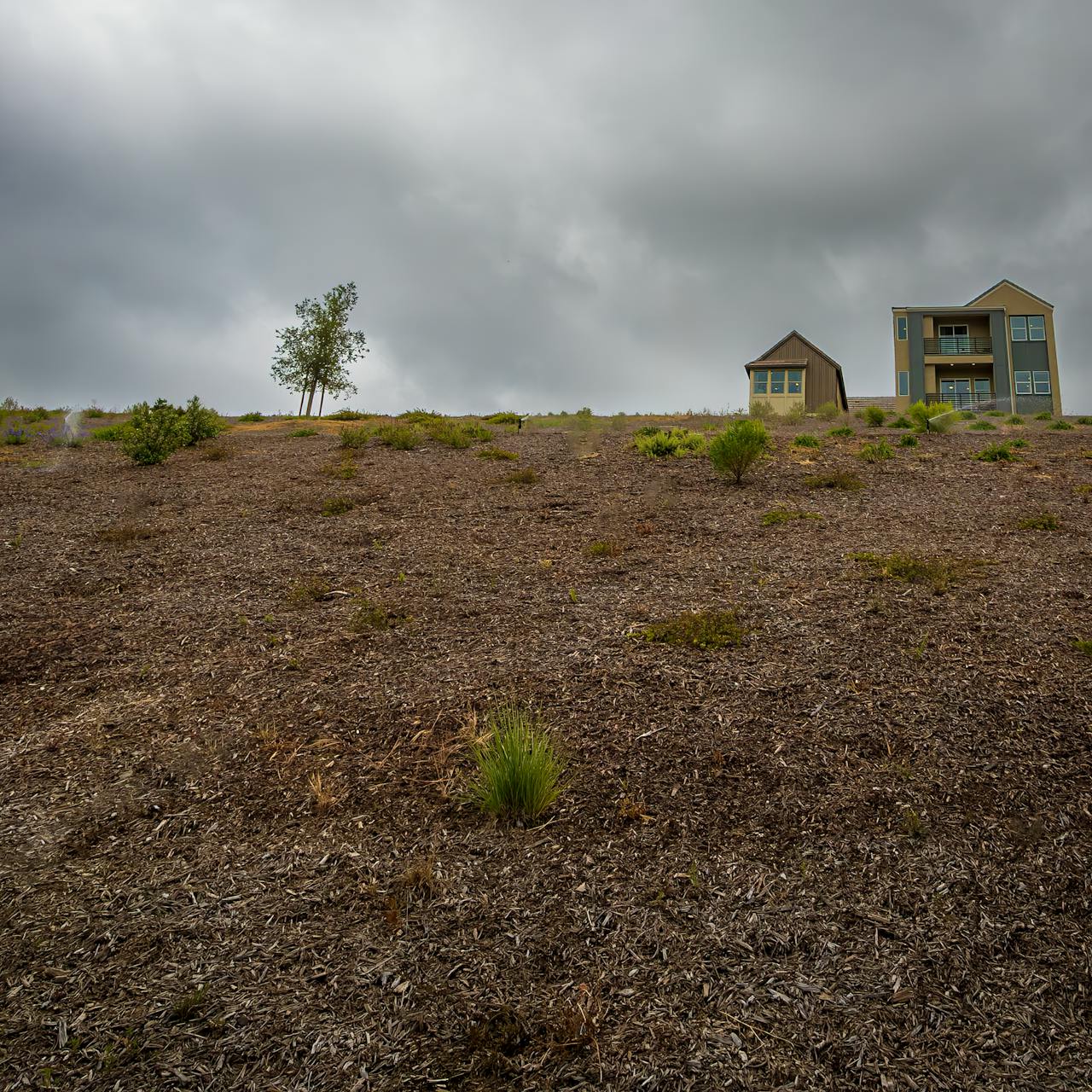
If you have a slope in your backyard that seems to be getting worse over time, it’s pretty common. But without proper treatment, it can cause significant damage. A poorly graded slope, improper drainage, or heavy runoff can ruin your home’s foundation, walls, and landscape. Here we’ll discuss why a slope in your backyard can be so problematic and how you can address the issue before it leads to costly repairs.
Why a Slope Can Be a Problem for Your Home
Slopes, particularly those close to your home should be monitored closely. While a slight incline might seem aesthetically pleasing, it can become problematic when water runoff isn’t managed properly. Here are some problems to watch out for. You’ll want to correct your slope immediately if you notice any of these issues in your yard.
Water Drainage Issues
A slope directs water towards lower areas, and if the slope is too steep, water can easily accumulate at the base of your home. This can lead to pooling around the foundation. Ultimately, this makes it easier for water to seep into your basement, crawlspace, or even into the walls of your house.
Soil Problems
Over time, water flowing downhill can erode the soil on your slope. This can destabilize the area causing it to shift or settle unevenly. If it’s near your house this can cause much larger issues. As the soil erodes away, your foundation could become exposed or cracked.
Additionally, if water continuously flows toward your house, it can saturate the soil around your foundation. This excess moisture weakens the ground beneath your home, leading to cracks, settling, or even major structural damage over time.
Landscape Damage
Is your yard around your slope hard to cultivate anything in? The slope can harm the landscaping around it. Plants can become waterlogged, which leads to poor drainage and eventual root rot. Soil erosion can wash away topsoil as well, damaging garden beds and grass.
Signs the Slope Is Already Damaging Your Home
By the time you notice issues, it could be too late to prevent some damage. You’ll want to watch for cracks in your foundation or walls. If you notice any water in your basement or crawlspace, this could also be due to your slope. Uneven floors can also be a telltale sign of foundation issues. Finally, water pooling in your yard and any visible erosion is a red flag.
How to Fix the Slope Problem
Thankfully, there are solutions to fix a problematic slope and prevent further damage to your home. There are a few options to consider. You may be able to just help with drainage by adding the right landscaping and deep-rooted plants. However, this is not always the most effective solution, although the most cost-effective. You may also be able to adjust your gutters and downspouts and make sure that they are functioning.
Additionally, you can regrade your slope. The ground should slope away from your foundation by at least 2-3 inches for every 10 feet of distance. This ensures that water naturally flows away from your house rather than pooling around it. This is something a professional can help with. On average, regrading your yard can cost between $1,000 to $9,000
Another solution a professional may suggest is a French drain. A French drain involves installing a perforated pipe in a trench filled with gravel, which allows water to flow away from your home and into a designated drainage area. While it is an effective solution, it can be costly. A French drain can run anywhere from $4,500 to $7,500.
If the slope is particularly steep, terracing might be a great option. This involves creating flat, level areas on the slope using retaining walls or other structures. These terraces break the slope into smaller, manageable sections, slowing down water flow and preventing erosion.
Retaining walls are another common solution for steep slopes. These walls hold back soil and prevent erosion, especially in areas that experience heavy rainfall. They can also help create a more level space in your yard while redirecting water away from the foundation. Retaining walls come in various materials, including stone, concrete, and timber. Retaining walls, depending on materials and size, can range from $3,000 to $10,000 or more.
Managing Your Slope
A slope in your backyard can silently destroy your home if left unchecked. Water damage, soil erosion, and foundation problems can cause serious, long-term damage that is both expensive and difficult to repair. By addressing the issue early and choosing the right solution, you can protect your home and landscape from further damage. Don’t wait until the problem gets worse. Consult a professional to assess your slope and help you determine the best course of action to safeguard your home.
Read More
How Frugal Gardening Hacks Can Turn $5 Into a Blooming Oasis
Are You Feeding Your Plants Wrong? Here’s a Cheaper, Better Way

Teri Monroe started her career in communications working for local government and nonprofits. Today, she is a freelance finance and lifestyle writer and small business owner. In her spare time, she loves golfing with her husband, taking her dog Milo on long walks, and playing pickleball with friends.
Leave a Reply