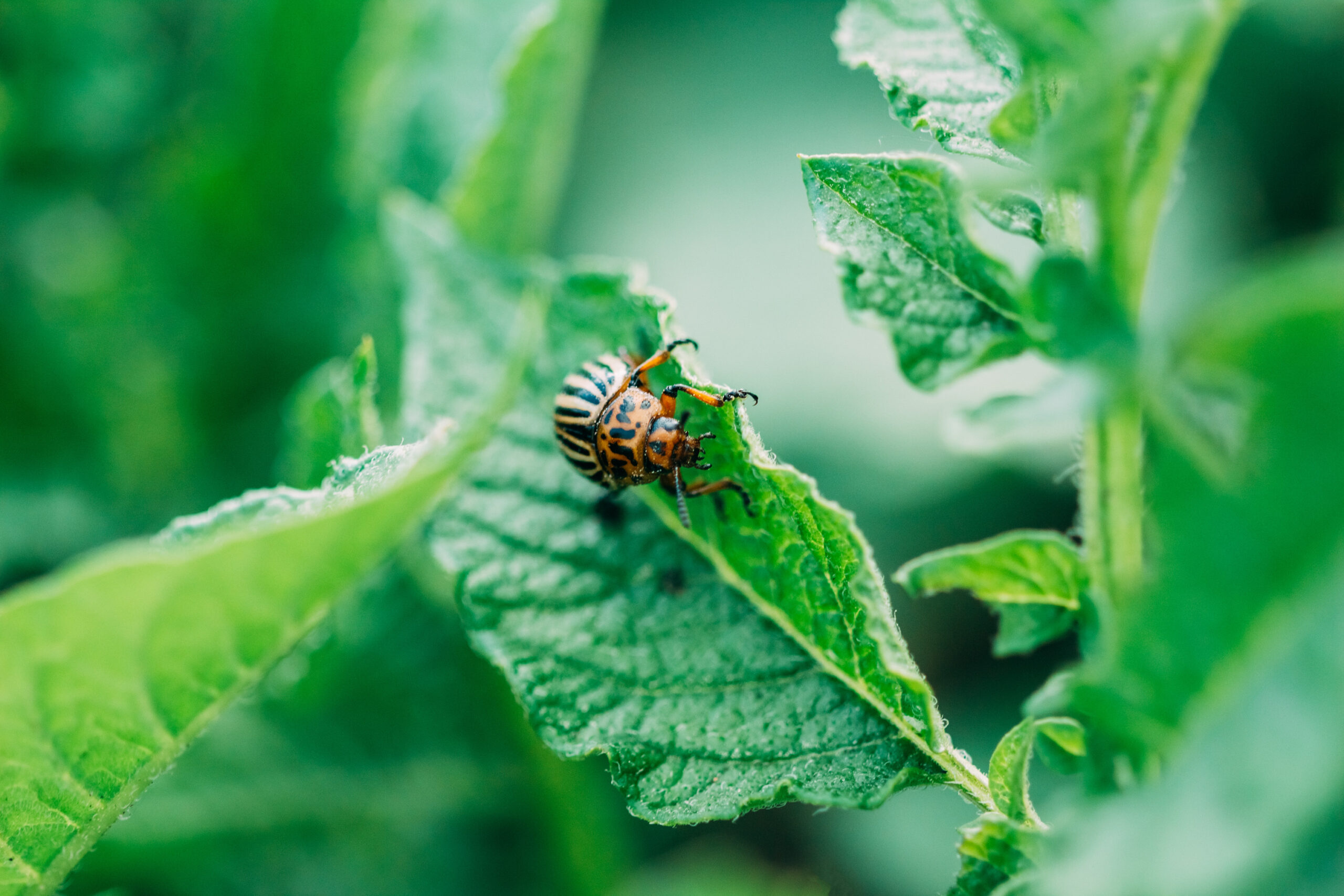
A thriving garden is a source of joy and satisfaction, but it can quickly become a battleground against pesky insects. From aphids to ants, these tiny invaders can wreak havoc on your plants if left unchecked. Fortunately, there are effective and natural ways to keep these garden insects at bay. Whether you’re a seasoned gardener or just starting out, the tips below will ensure your plants stay healthy and your garden remains a beautiful, pest-free sanctuary.
1. Aphids
Aphids are tiny, sap-sucking insects that can cause significant damage to your garden plants. To rid your garden of these pests, try using a mixture of water and dish soap. Spray this solution directly onto the aphids to suffocate them. Another effective method is introducing natural predators like ladybugs, which feed on aphids. Additionally, planting garlic or chives near your affected plants can repel aphids due to their strong scent. Regularly inspecting your plants and removing any infested leaves can also help control their population.
2. Slugs and Snails
Slugs and snails can wreak havoc on your garden by munching on leaves and stems. One effective hack to deter these garden insects is to create a barrier using crushed eggshells or diatomaceous earth around your plants. These materials are abrasive and deter slugs and snails from crossing. Another method is to set up beer traps; and place shallow dishes filled with beer in your garden. The scent attracts slugs and snails, and they drown in the liquid. Handpicking these pests during the evening when they are most active can also reduce their numbers.
3. Japanese Beetles
Japanese beetles are notorious for their voracious appetite, particularly for roses and other flowering plants. To combat these garden insects, use a mixture of water and neem oil as a natural insecticide. Spray this solution on affected plants to deter beetles. Additionally, you can use pheromone traps to attract and capture adult beetles. Introducing beneficial nematodes into your soil can help control the larvae stage of Japanese beetles. Regularly inspecting and removing beetles by hand can also be effective in managing their population.
4. Whiteflies
Whiteflies are small, white insects that feed on the underside of leaves, causing yellowing and wilting. To get rid of whiteflies, use yellow sticky traps to attract and capture them. Another effective method is to spray your plants with a mixture of water and insecticidal soap. Introducing natural predators like lacewings and parasitic wasps can also help control whitefly populations. Additionally, regularly washing your plants with a strong stream of water can dislodge and reduce their numbers.
5. Spider Mites
Spider mites are tiny, spider-like insects that can cause significant damage by sucking the sap from plant leaves. To combat spider mites, use a mixture of water and neem oil or insecticidal soap. Spray this solution on affected plants, focusing on the undersides of leaves where mites tend to congregate. Introducing predatory mites can also help control spider mite populations. Regularly misting your plants with water can create a humid environment that discourages spider mites, as they prefer dry conditions.
6. Caterpillars
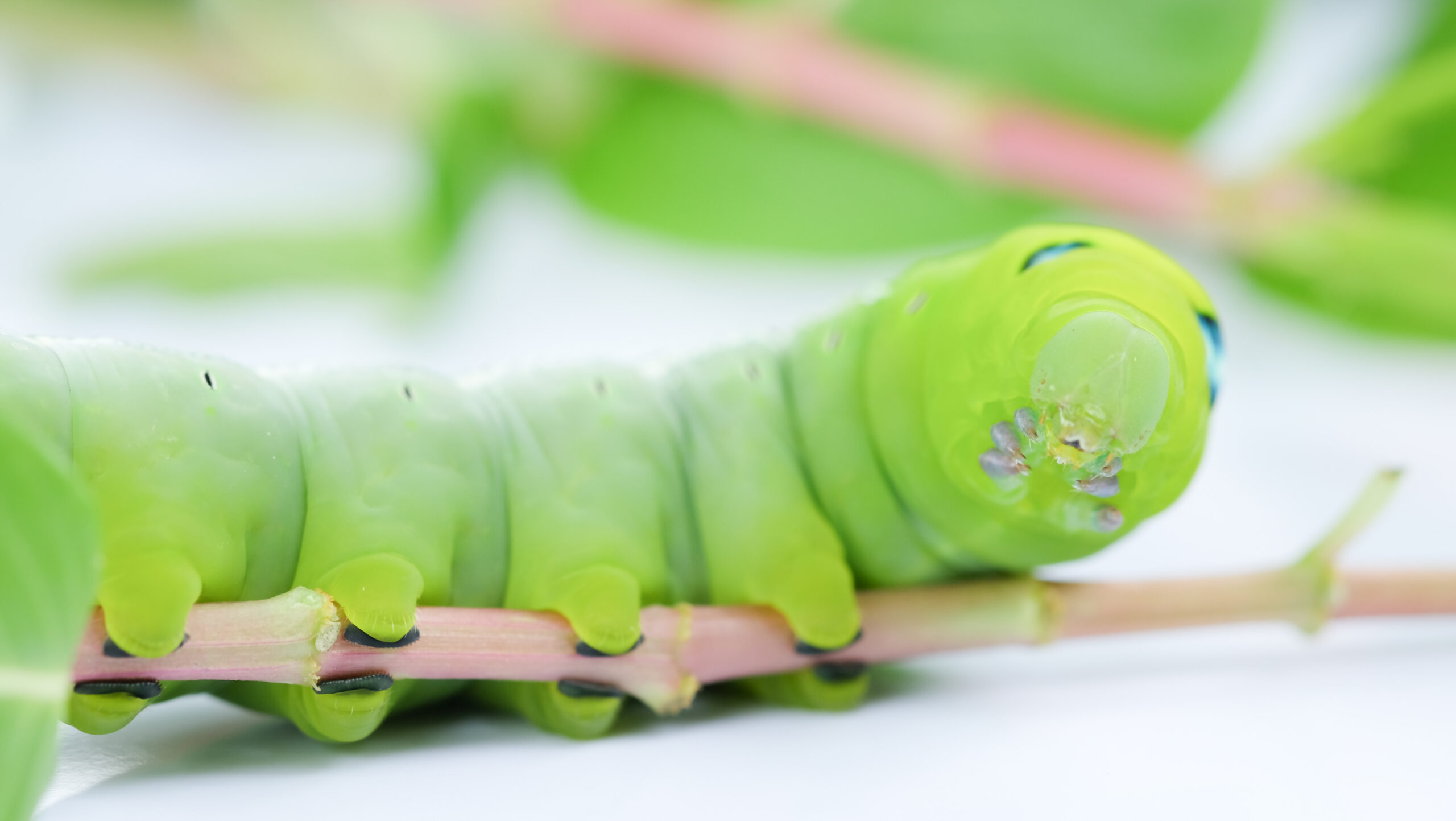
Caterpillars can quickly defoliate plants, causing extensive damage. To manage these garden insects, use Bacillus thuringiensis (Bt), a natural bacterial insecticide that targets caterpillars without harming beneficial insects. Another method is to handpick caterpillars and remove them from your plants. Introducing natural predators like birds and parasitic wasps can also help control caterpillar populations. Additionally, using row covers can protect your plants from caterpillar infestations by preventing adult moths from laying eggs.
7. Ants
Ants can be both a nuisance and a threat to your garden, especially if they farm aphids for honeydew. To deter ants, create a barrier using diatomaceous earth or cinnamon around your plants. These substances disrupt the ants’ scent trails and deter them from crossing. Another effective method is to use a mixture of water and vinegar to spray directly on ant trails and nests. Introducing beneficial nematodes into your soil can help control ant populations by targeting their larvae. Regularly inspecting and removing any aphid infestations can also reduce ant activity in your garden.
Keep Your Garden Pest-Free
Maintaining a healthy and thriving garden requires vigilance and effective pest control strategies. By using these hacks to rid your garden of common insects like aphids, slugs, Japanese beetles, whiteflies, spider mites, caterpillars, and ants, you can protect your plants and ensure a bountiful harvest.
Leave a Reply