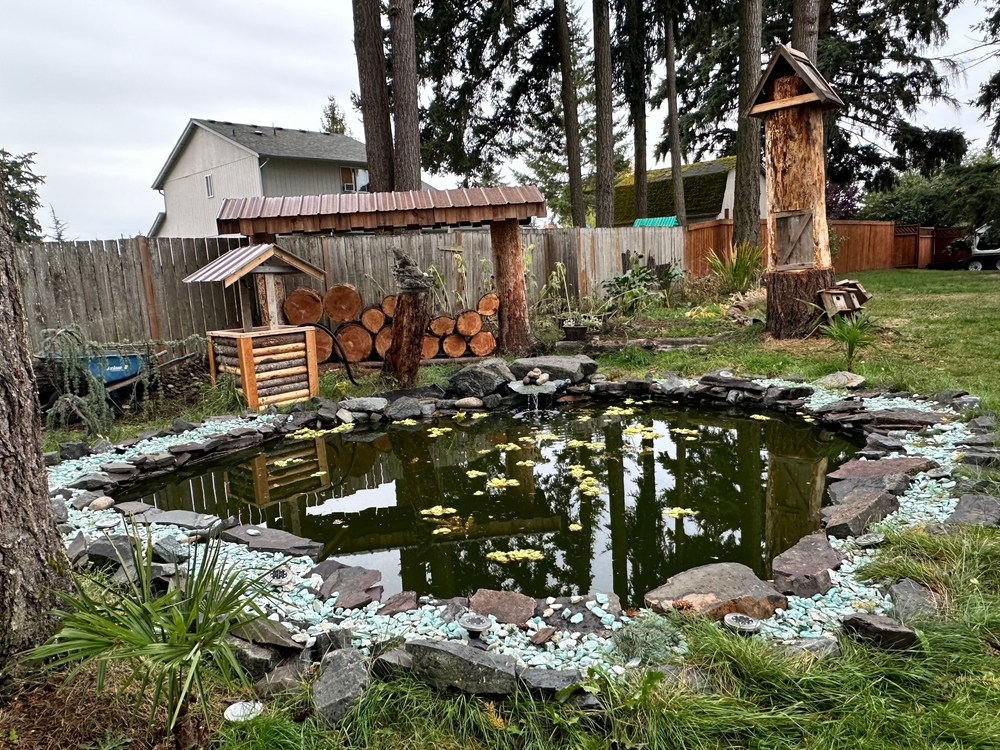
That beautiful backyard makeover you saw online might look like the perfect weekend project. A new pond, decorative gravel walkway, or elaborate flower bed could transform your outdoor space into something straight out of a landscaping magazine. But what happens when that seemingly simple improvement turns into hours of weekly maintenance and unexpected expenses?
Some high-maintenance backyard improvements look fantastic immediately after installation but require far more time, money, and attention than homeowners anticipate. Between weeds, drainage problems, seasonal cleaning, and ongoing repairs, certain landscaping upgrades can become frustrating obligations rather than enjoyable additions.
Before investing your savings and weekends into another backyard project, consider these six improvements that may create more work than they’re worth.
1. Installing a Backyard Pond Without Planning for Maintenance
A backyard pond can create a peaceful atmosphere, attract wildlife, and become an attractive focal point in your garden. However, water gardens require ongoing attention to water quality, aquatic plants, and seasonal maintenance. Without proper filtration and circulation, ponds can develop algae problems, accumulated debris, and conditions that encourage mosquito breeding. A homeowner who installs a small decorative pond may eventually spend weekends cleaning filters, removing fallen leaves, and monitoring water levels instead of relaxing beside it. Before digging, consider whether a simple birdbath or low-maintenance water feature could provide the atmosphere you want without creating another complicated maintenance routine.
2. Replacing Grass With Large Areas of Decorative Gravel
Decorative gravel seems like an easy solution for homeowners tired of mowing, watering, and fertilizing traditional lawns. However, gravel surfaces can collect leaves, organic debris, and windblown soil, creating places where weeds eventually establish themselves. Landscape materials and weed-control methods require appropriate installation and continued maintenance to remain effective. Gravel can also migrate into neighboring beds, become difficult to clean, and require replenishment as the landscape settles. Before covering a large section of your backyard, compare gravel with mulch, regionally appropriate groundcovers, or a smaller hardscaped area that will be easier to maintain.
3. Planting a Fast-Growing Bamboo Privacy Screen
A tall bamboo hedge can provide quick privacy and create an attractive tropical atmosphere around a backyard patio. Unfortunately, NC State Extension warns that running bamboo spreads through underground rhizomes and can become extremely difficult to control once established. Some running varieties can spread up to 15 feet annually, potentially creating problems for neighboring lawns, garden beds, and property boundaries. Removing an established stand may require years of repeated cutting, digging, and monitoring, turning an inexpensive privacy screen into a major landscaping project. Before planting bamboo, research the specific species and consider a well-behaved native hedge or other screening plants appropriate for your region.
4. Building Too Many Raised Garden Beds
Raised garden beds can make growing vegetables easier, improve soil drainage, and create an organized backyard appearance. However, NC State Extension explains that raised beds generally require more frequent irrigation than traditional in-ground gardens because elevated soil dries out faster. A homeowner who installs six large beds may suddenly face daily watering during hot weather, ongoing soil amendments, pest management, and seasonal planting responsibilities. Although raised beds can reduce some weeding and improve accessibility, maintaining more growing space than your household needs can quickly become overwhelming. Start with one or two manageable beds and expand only after determining how much time and money you’re comfortable investing in vegetable gardening.
5. Installing Landscape Fabric Throughout Your Flower Beds
Landscape fabric is often marketed as a convenient way to prevent weeds and reduce ongoing garden maintenance. However, the University of Florida IFAS Extension explains that weeds can eventually grow through or on top of landscape fabric, making them more difficult to remove. As mulch decomposes and organic material accumulates above the fabric, new weed seeds may germinate despite the original barrier. Removing old fabric can become frustrating when plant roots grow through the material or when gardeners need to divide and relocate established perennials. Instead of covering every flower bed, consider maintaining an appropriate layer of organic mulch and using dense, healthy plantings to suppress weeds naturally.
6. Creating Elaborate Flower Beds That Require Constant Attention
Large flower beds filled with colorful annuals, delicate perennials, and carefully shaped shrubs can make a backyard look spectacular. However, maintaining that appearance may require frequent watering, deadheading, fertilizing, pruning, pest management, and replacing plants that don’t survive seasonal weather changes. The University of California Integrated Pest Management Program recommends using appropriate mulching and weed management practices to reduce competition and maintain healthy ornamental landscapes. A homeowner who converts half the backyard into elaborate flower beds may discover that the weekly maintenance commitment exceeds what they previously spent mowing the lawn. For a more manageable design, combine regionally adapted perennials, native shrubs, and smaller seasonal flower displays that provide visual interest without demanding constant attention.
The Hidden Costs of High-Maintenance Landscaping
The real expense of high-maintenance backyard improvements isn’t always reflected in the initial installation estimate. A project that costs $500 to build may also require replacement materials, specialized tools, additional water, electricity, or professional maintenance over time. For example, a decorative pond with a pump can generate ongoing electricity costs, while a large collection of raised beds may require irrigation equipment and periodic soil replenishment. Homeowners should also consider physical effort, particularly when maintaining heavy landscaping materials or performing repetitive tasks becomes difficult with age. Before starting a project, estimate not just what it costs to install but what you’ll realistically spend maintaining it over the next five years.
How to Choose Backyard Upgrades That Actually Save Time
Avoiding high-maintenance backyard improvements doesn’t mean giving up on an attractive or functional outdoor space. Start by identifying the activities you enjoy most, whether that’s growing vegetables, entertaining friends, watching birds, or simply relaxing outdoors. Then prioritize improvements that support those activities without adding unnecessary watering, cleaning, pruning, or repair responsibilities. Consider testing a small version of a project before committing to a major installation, such as adding one raised bed instead of six or a simple birdbath instead of a large pond. Your local Cooperative Extension office can also recommend plants and landscaping techniques suited to your climate, soil conditions, and maintenance preferences.
Your Backyard Should Be a Place to Relax, Not Another Job
The best backyard improvements are the ones that make your outdoor space more enjoyable without overwhelming your schedule or budget. Although ponds, gravel landscapes, bamboo screens, raised beds, landscape fabric, and elaborate flower gardens can all work well in the right circumstances, they aren’t automatically low-maintenance solutions. Thinking about long-term upkeep before starting a project can help you avoid costly mistakes and unnecessary physical work. Choose durable materials, manageable planting areas, and landscaping features that match the amount of maintenance you’re genuinely willing to perform. By avoiding high-maintenance backyard improvements that don’t fit your lifestyle, you can create a beautiful outdoor space that remains enjoyable for years.
Have you ever completed a backyard improvement that ended up requiring far more maintenance than you expected? Which landscaping project would you think twice about doing again? Share your experience in the comments.
What to Read Next
5 Backyard Projects That Could Get You Into Trouble With Local Rules
This Beautiful Fall Shrub Is Becoming a Backyard Problem — Do You Have One?
You Don’t Need a Big Backyard to Grow a Meaningful Amount of Food
Leave a Reply