That weekend landscaping project might seem like an easy way to save a few hundred dollars, especially when online tutorials make everything look simple. A few bags of gravel, some inexpensive edging, or a rented trencher can transform a backyard without hiring a professional. But what happens when that budget-friendly improvement leads to a flooded basement, damaged plumbing, or a retaining wall that starts leaning after the first heavy rain?
Some of the most expensive landscaping mistakes begin with projects homeowners genuinely believe they’re saving money on.
The problem is that landscaping involves more than making a yard look attractive. Soil movement, drainage, underground utilities, and even the placement of decorative materials can affect your home’s structural integrity and long-term maintenance costs.
Before tackling your next DIY outdoor project, consider these five landscaping mistakes that cost homeowners money and how to avoid turning a simple improvement into an expensive repair.
1. Building a Retaining Wall Without Proper Drainage
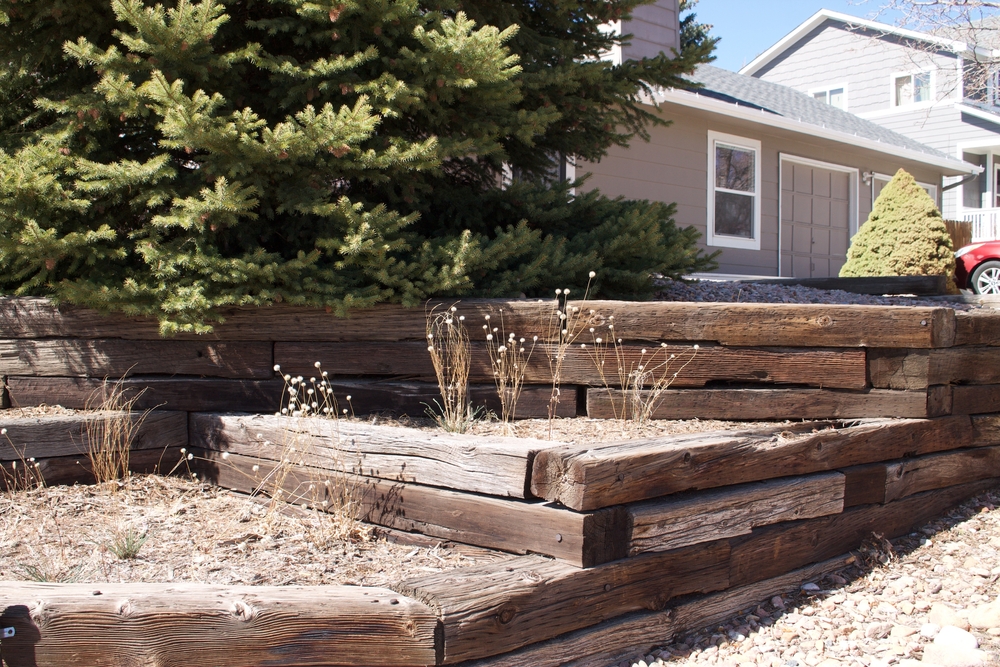
A small retaining wall might seem straightforward when you’re stacking concrete landscaping blocks along a sloped flower bed. However, the real challenge isn’t keeping the blocks aligned but controlling the water and soil pressure building up behind them. Proper site planning must account for drainage, slopes, and the way landscape features interact with surrounding conditions. Without suitable drainage material, outlets, and a properly constructed foundation, water pressure can cause a retaining wall to bulge, crack, or eventually collapse. Before building, check local permit requirements and consider professional engineering guidance for walls supporting significant soil loads, structures, or steep slopes.
Imagine installing a four-foot retaining wall for a few hundred dollars in materials, only to discover two years later that the blocks are leaning toward your patio. Repairing the problem may require dismantling the wall, excavating the soil, and rebuilding the entire structure with appropriate drainage. A wall located near a driveway or foundation creates even greater concerns because failure could affect more than the garden itself. One of the smartest ways to avoid these landscaping mistakes that cost homeowners money is to treat retaining walls as structural projects rather than decorative weekend improvements.
2. Changing the Yard’s Slope and Sending Water Toward the House
Adding topsoil, creating a raised flower bed, or leveling an uneven lawn might seem harmless until the next heavy rain arrives. Unfortunately, even relatively small grading changes can redirect stormwater toward a home’s foundation or neighboring property. The International Residential Code generally calls for ground around foundations to slope away from the building, with specific requirements and exceptions depending on the adopted code. When landscaping directs water toward the house instead, moisture may accumulate around basement walls, crawl spaces, and other vulnerable areas. Over time, poor drainage can contribute to dampness, mold problems, erosion, and costly water intrusion repairs.
A common mistake involves piling fresh soil or mulch against a home’s exterior to create a neat-looking garden bed. That raised surface can trap moisture against siding or cover drainage openings that were designed to remain exposed. Homeowners should also avoid blocking downspout outlets or redirecting runoff toward a neighbor’s property. Before changing the grade, observe where water travels during a storm and identify existing drainage paths that need to remain functional.
3. Planting Fast-Growing Trees Too Close to the House
A small tree from the garden center can seem like one of the cheapest ways to add shade, privacy, and curb appeal. However, choosing a species based only on its current size is among the most common landscaping mistakes that cost homeowners money. The Arbor Day Foundation emphasizes selecting trees according to their mature size and the available planting space. A sapling that fits comfortably beside your driveway today could eventually develop a broad canopy, large surface roots, and branches extending over your roof. Depending on the species and location, those roots may lift pavement or exploit existing openings in damaged underground pipes.
For example, planting a fast-growing tree just a few feet from a sidewalk may seem reasonable when its trunk is only an inch wide. Years later, expanding roots could lift concrete sections and create a tripping hazard that requires professional repairs. Branches growing over gutters or against roofing materials may also increase maintenance expenses. Research the tree’s mature height and spread, and consider nearby utility lines, pavement, plumbing, and structures before choosing a permanent planting location.
4. Installing a DIY Irrigation System Without Checking Underground Utilities
Installing underground sprinklers can sound like a smart investment for homeowners tired of dragging hoses across the lawn. However, trenching for irrigation pipes introduces risks that aren’t always obvious in online installation videos. Homeowners should contact their local 811 service before beginning excavation so participating utility operators can mark underground facilities. Striking an electrical, gas, communication, or water line can create dangerous conditions and potentially expensive repair obligations. Even shallow digging may encounter buried infrastructure, particularly around older homes where utility routes aren’t always obvious.
Another common irrigation mistake involves installing sprinkler heads that repeatedly spray water against the home’s foundation or exterior walls. Poorly positioned irrigation can waste water while keeping building materials unnecessarily wet. Leaking underground connections may also remain unnoticed until homeowners discover soggy soil, declining water pressure, or unusually high utility bills. Before installing an irrigation system, map the layout carefully, locate private lines separately when necessary, and test every zone for leaks and proper spray direction.
5. Covering the Yard With Gravel or Landscape Fabric Without Planning Ahead
Gravel landscaping looks attractive in photographs and promises an easy solution for homeowners who want fewer weeds and less lawn maintenance. Unfortunately, installing gravel without considering drainage, soil conditions, and future maintenance can create expensive headaches. Landscape mulches and weed barriers can help suppress weeds, but they don’t eliminate the need for ongoing management. Over time, windblown soil and organic debris can accumulate between gravel pieces, allowing weeds to establish themselves even when landscape fabric is installed underneath. Removing contaminated gravel and deteriorating fabric can become a labor-intensive project that costs far more than the original materials.
Gravel can also create problems when homeowners install it directly against structures without maintaining proper drainage. Water still moves through many gravel surfaces, so replacing grass with stone doesn’t automatically solve standing-water problems. In some situations, compacted soil beneath the gravel can continue directing runoff toward the house. Before committing to a large gravel installation, evaluate the drainage, choose an appropriate base, and consider whether organic mulch or another landscaping material would be easier to maintain.
The Cheapest Landscaping Project Isn’t Always the Smartest One
The biggest lesson from these landscaping mistakes that cost homeowners money is that the lowest upfront price doesn’t always produce the best long-term value. A properly planned project may require more preparation, better materials, or occasional professional guidance, but those investments can prevent expensive repairs later. Before starting, research local building requirements, check underground utilities, evaluate drainage, and consider how your landscaping choices will affect the property over the next decade. Even small improvements deserve careful planning when they involve soil movement, water, structural support, or permanent plantings.
Have you ever tackled a DIY landscaping project that turned into a bigger expense than expected, or discovered a mistake left behind by a previous homeowner? Share your experience in the comments.
What to Read Next
6 Landscaping Choices That Could Make Your Home Harder to Sell
That Pretty Bamboo Could Become Your Most Expensive Landscaping Mistake
Why More People Are Choosing Functional Landscaping Over Traditional Lawns
Leave a Reply