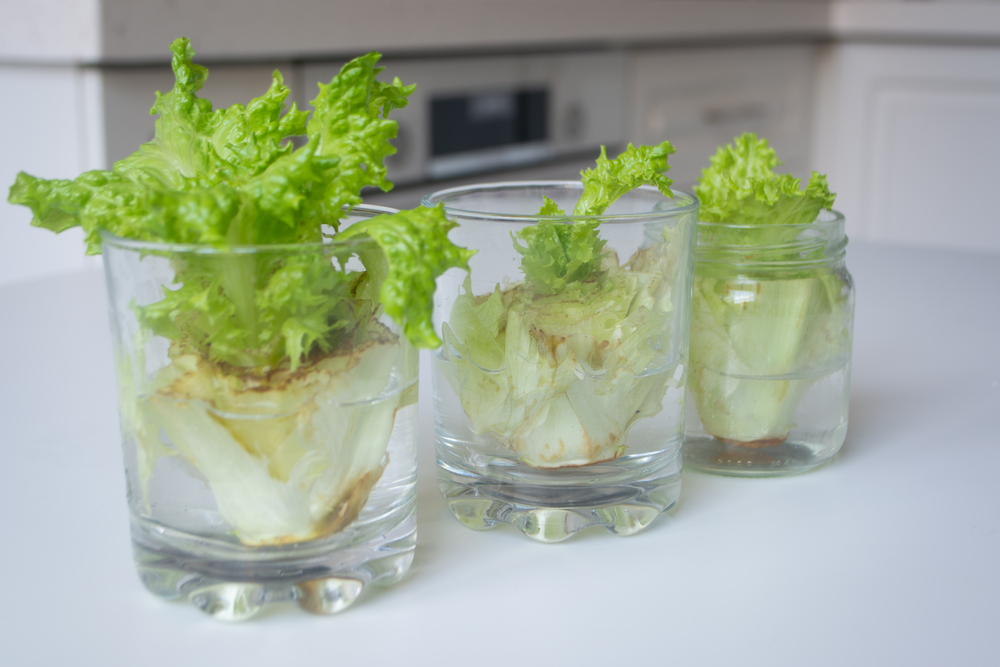
What if the lettuce you bought at the grocery store could grow again instead of going straight into the trash? That’s the promise behind a popular social media gardening trick that involves placing the leftover base of a lettuce head in a shallow container of water.
Within days, tiny green leaves may begin appearing from the center, making it look like you’ve discovered an endless supply of free salad greens.
But there’s a catch that many short gardening videos don’t explain.
Growing lettuce from scraps can produce new leaves, but it doesn’t necessarily mean you’ll get another full-sized head of lettuce.
Before you start saving every lettuce stem in your refrigerator, here’s what this inexpensive gardening experiment can actually accomplish and how to get the best results.
The Viral Lettuce Hack Starts With Something You Usually Throw Away
@crystaljade1284 Whaaattt I really didn’t know! Did you!?🤭 #fyp #foryou #foryoupage #lettuce #regrow #gardentok #garden #Diy #momsoftiktok #SeeHerGreatness #Holi ♬ THEY ARE GONNA KNOW – Heliqs
The basic idea behind growing lettuce from scraps is surprisingly simple, and you don’t need expensive gardening equipment to try it. Instead of throwing away the bottom of a romaine lettuce head, save approximately two inches of the stem with the central growing point intact. Place the base upright in a shallow dish containing enough water to cover the bottom without submerging the entire stem. Set the container near a bright window and replace the water regularly to prevent unpleasant odors and bacterial buildup. If the growing point remains healthy, small leaves may begin emerging from the center within several days, although results vary depending on the lettuce’s condition.
Those New Leaves Don’t Mean You’ve Grown Another Head
Watching new leaves appear can make this gardening experiment seem almost magical, especially when the original lettuce was destined for the garbage. However, the small leaves developing from the center are generally regrowth from the plant’s remaining tissues rather than an entirely new lettuce plant. The original stem has limited stored energy, and growing in plain water doesn’t provide the complete nutrients needed for sustained production. As a result, the new growth is often much smaller than the original head and may eventually slow or stop altogether. Growing lettuce from scraps is best understood as a way to get a modest second harvest rather than a method for producing unlimited grocery-store lettuce.
Romaine Lettuce Is One of the Better Choices
Not every lettuce variety responds equally well to the water-regrowing method, which is why selecting the right type matters. Romaine lettuce is a popular choice because its sturdy base and central growing point can remain intact after the outer leaves are removed. Loose-leaf varieties may also produce some regrowth when enough healthy stem tissue remains, but heavily trimmed or damaged bases are less reliable. Choose fresh lettuce with a firm, healthy-looking stem rather than one that’s already slimy, discolored, or beginning to decay. Starting with a healthy base gives your experiment a better chance of producing usable leaves before the remaining plant tissues deteriorate.
Water Alone Won’t Keep Lettuce Growing Forever
One of the biggest misconceptions about growing lettuce from scraps is that a small dish of tap water can support continuous growth. While water helps the remaining plant tissues stay hydrated, lettuce also requires nutrients, light, and healthy roots to produce substantial new foliage. According to the University of Minnesota Extension, lettuce grows best when it has suitable light, moisture, nutrients, and growing conditions. If your lettuce base develops healthy roots, transferring it into potting mix may support additional growth, although success isn’t guaranteed. For gardeners hoping to harvest lettuce regularly, growing plants from seed or established seedlings is generally more dependable than relying on repeated scrap regrowth.
The Biggest Mistake Is Letting the Stem Rot
The easiest way to ruin this experiment is leaving the lettuce base sitting in stagnant water for too long. A submerged stem can become soft and slimy, especially when the container is kept in a warm location or isn’t cleaned regularly. Replace the water frequently, rinse the container, and remove any deteriorating plant material before it contaminates the remaining growth. If the base develops an unpleasant smell, visible mold, or extensive decay, discard it rather than attempting to salvage questionable leaves for eating. Remember that regrowing lettuce in a kitchen window doesn’t eliminate food safety concerns, so wash harvested leaves thoroughly before consuming them.
Growing Lettuce From Seed May Save You More Money
If your goal is reducing grocery expenses rather than experimenting with a viral gardening trick, starting lettuce from seed may offer better long-term value. A packet of lettuce seeds can potentially produce numerous plants, especially when you choose loose-leaf varieties that allow repeated harvesting. The University of Maryland Extension explains that lettuce is a cool-season vegetable that can be grown in garden beds and containers, making it accessible to gardeners with limited space. With proper growing conditions, many loose-leaf varieties allow gardeners to harvest outer leaves while leaving the center intact for continued production. Compared with growing lettuce from scraps, planting seeds offers greater control over variety selection, spacing, harvest timing, and overall productivity.
You Can Grow Lettuce Indoors Without a Backyard
One appealing part of the viral lettuce hack is that almost anyone can try it, even without a traditional garden. A sunny kitchen windowsill may be sufficient for observing small amounts of regrowth, although substantial indoor lettuce production usually requires stronger lighting. Gardeners who want consistent harvests can grow loose-leaf lettuce in containers filled with quality potting mix and positioned beneath appropriate grow lights. Choose pots with drainage holes, maintain evenly moist soil, and avoid placing plants near heating vents that can dry them out. This approach requires a little more preparation than a dish of water, but it can produce a more practical supply of fresh greens throughout the cooler months.
The Viral Hack Is Fun, but Don’t Expect Endless Free Lettuce
Growing lettuce from scraps is an inexpensive experiment that can demonstrate how resilient certain vegetables are after harvesting. Watching fresh leaves emerge from a discarded romaine stem can also introduce children and beginning gardeners to plant growth without requiring a large investment. However, the technique has limitations, and the small amount of regrowth shouldn’t be confused with producing an entirely new head of lettuce. If saving money on groceries is your priority, consider combining occasional scrap-regrowing experiments with a small container garden planted from seed.
Have you tried growing lettuce from grocery-store scraps after seeing the trick on TikTok, and did you get enough new leaves to make it worthwhile? Share your results in the comments.
What to Read Next
Can You Plant Potatoes From the Grocery Store? Here’s the Catch
Should You Save Seeds From Grocery Store Produce? Sometimes It Works, Sometimes It Doesn’t
8 Garden Crops That May Not Save You Much Money at the Grocery Store
Leave a Reply