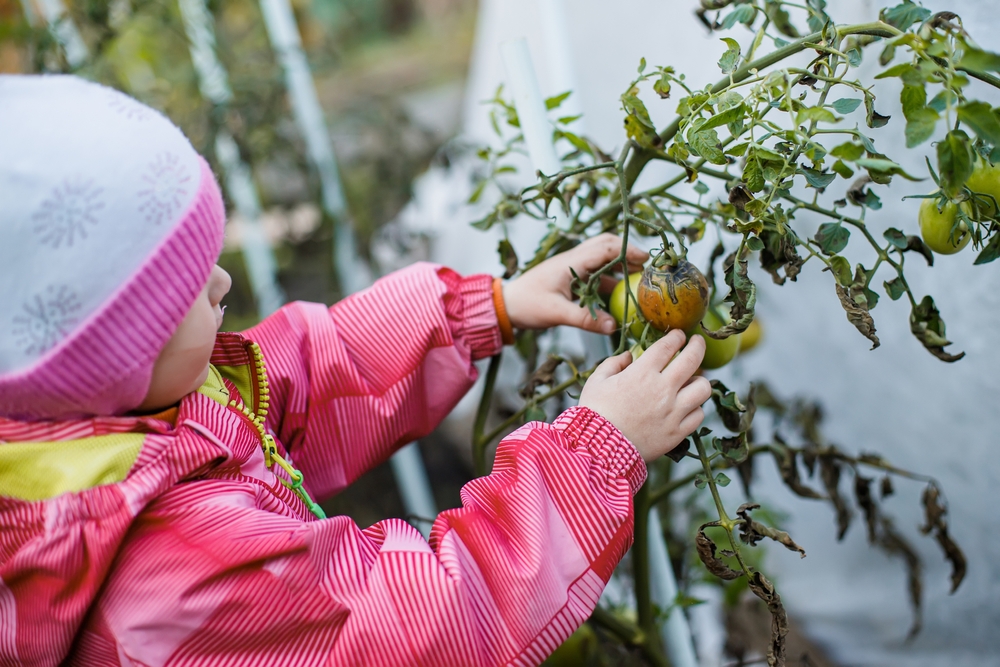
You’ve spent months growing tomatoes, and now the weather forecast is threatening to undo all that hard work overnight. Your plants may still be covered with green fruit, but the first frost could arrive before those tomatoes have a chance to ripen. Should you leave everything on the vine and hope for the best, or pull the plants before cold weather moves in?
The answer depends on the condition of your tomatoes, how mature the fruit is, and just how cold your garden is expected to get. Knowing when to harvest tomatoes before frost can mean the difference between enjoying several more weeks of homegrown produce and losing your final harvest.
According to Iowa State University Extension and Outreach, mature green tomatoes can continue ripening indoors after being removed from the vine. However, not every tomato is worth saving, and waiting too long can leave you with damaged fruit that won’t store successfully.
Here’s how to decide which tomatoes to harvest, which plants to remove, and how to make the most of your final garden harvest.
Frost Can Damage Tomatoes Before You Realize It
Tomatoes are warm-season plants that don’t tolerate freezing temperatures, making fall weather particularly risky for gardeners. According to the University of Minnesota Extension, tomatoes are sensitive to frost, which can damage both the foliage and developing fruit. Even a relatively brief freeze can injure plant tissues, leaving leaves wilted and tomatoes vulnerable to deterioration. Fruit that appears relatively normal immediately after exposure may develop soft spots or other signs of damage as it warms. That’s why understanding when to harvest tomatoes before frost is so important, especially when overnight temperatures are forecast to reach 32 degrees Fahrenheit or lower.
Mature Green Tomatoes Are Worth Saving
Not every green tomato needs to be abandoned when the growing season ends. Mature green tomatoes can continue ripening indoors when harvested before freezing temperatures arrive. Look for tomatoes that have reached nearly their full expected size and developed a lighter green appearance rather than remaining small and dark green. Some may already show hints of pink, yellow, or orange, indicating that the ripening process has begun. These tomatoes are usually your best candidates for indoor storage because they have developed sufficiently to continue changing color after being separated from the plant.
Tiny, Immature Tomatoes May Not Be Worth Keeping
One common mistake gardeners make is assuming every small green tomato will eventually turn red if given enough time indoors. However, tomatoes that haven’t reached physiological maturity generally lack the development needed to complete the ripening process after harvest. Immature green tomatoes are unlikely to ripen successfully once removed from the vine. If your plants are covered with marble-sized fruit and a hard freeze is approaching, those tomatoes probably won’t benefit from weeks of indoor storage. Focus your efforts on larger, mature fruit instead of filling your kitchen with tomatoes that are unlikely to become usable.
Some Plants Are Better Pulled Entirely
When frost is approaching, harvesting individual tomatoes is usually the simplest way to protect your remaining crop. However, some gardeners choose to pull entire plants and hang them upside down in a protected location to allow mature fruit to continue ripening. This approach may be useful when plants still carry numerous healthy tomatoes, although it requires enough space and careful monitoring for decay. According to the University of New Hampshire Cooperative Extension, tomatoes require suitable temperatures and growing conditions to develop properly, so removing plants doesn’t guarantee that immature fruit will ripen. If the plant is diseased, heavily damaged, or covered primarily with immature tomatoes, removing and disposing of it may be more practical than attempting to preserve the entire vine.
Cold Temperatures Can Affect Flavor and Texture
Even when frost doesn’t immediately destroy your tomatoes, prolonged exposure to chilly weather can reduce their quality. According to the University of California Agriculture and Natural Resources, tomatoes can experience chilling injury when exposed to temperatures that are too low for extended periods. These injuries may interfere with normal ripening, affect flavor development, and increase the likelihood of decay during storage. That’s one reason gardeners shouldn’t automatically wait until the thermometer reaches freezing before deciding to harvest. If several nights of unusually cold weather are expected, collecting mature tomatoes early may preserve better quality than leaving them exposed on struggling vines.
Indoor Ripening Works Best Under the Right Conditions
Learning when to harvest tomatoes before frost is only half the process because proper indoor storage determines whether your rescued fruit will ripen successfully. Mature green tomatoes should be stored in a cool location where temperatures remain approximately 55 to 70 degrees Fahrenheit. Place tomatoes in shallow boxes or trays, preferably in a single layer, and separate any fruit showing bruises, cracks, or other damage. Check them every few days, removing ripe tomatoes for immediate use and discarding any fruit that begins rotting. Tomatoes stored closer to room temperature generally ripen faster, while cooler conditions can slow the process and potentially extend your supply.
Sometimes Protecting the Plants Makes More Sense
Not every frost warning means you need to pull your tomato plants immediately. If the forecast calls for a brief, light frost followed by warmer weather, temporary protection may help you extend the harvest. Gardeners can use row covers, frost blankets, or other protective materials to reduce damage during cold nights. Cover plants before temperatures drop, secure the material near the ground, and keep plastic from touching the foliage directly. However, if a hard freeze or several consecutive freezing nights are expected, harvesting mature fruit before the cold arrives is generally more reliable than hoping a lightweight cover will protect everything.
Don’t Let the First Freeze Waste Your Final Harvest
Knowing when to harvest tomatoes before frost helps you make smarter decisions about protecting the food you’ve spent an entire season growing. The most important distinction is between mature tomatoes that can continue ripening indoors and immature fruit that probably won’t develop properly once removed from the vine. Watch the forecast, harvest healthy fruit before damaging cold arrives, and use appropriate storage conditions to extend your supply. You don’t necessarily need to pull every tomato plant at the first chilly forecast, but waiting until a hard freeze has already damaged the fruit can eliminate your best preservation options.
Do you pull your tomato plants before the first frost, cover them for a few extra weeks, or harvest every green tomato you can find? Share your end-of-season tomato strategy in the comments.
What to Read Next
Should You Allow Volunteer Tomatoes to Keep Growing This Late?
Leave a Reply