Spring will morph a manageable garden to-do list into a full-blown project. A soil problem that takes a little planning in fall can become a scramble for amendments, a neglected tool can turn into a replacement purchase, and a planting window can disappear while the garden waits for someone to get organized.
Every garden chore does not belong on the fall calendar. Some pruning, planting, and cleanup tasks depend heavily on the plant and local climate. But several jobs make excellent fall projects because cooler weather gives gardeners time to fix problems before spring growth starts demanding attention.
1. Test the Soil Before Buying a Pile of Amendments
A soil test can prevent the classic gardening mistake of buying a bag of something because a plant looks unhappy and hoping for the best. Fall gives gardeners plenty of time to collect a representative soil sample, send it to a lab, and use the results to decide whether the garden actually needs lime, fertilizer, or another amendment. Soil tests can reveal pH and nutrient levels, which makes a much better starting point than guessing from leaf color or garden folklore. If the test calls for a pH adjustment, applying the recommended amendment ahead of the next growing season gives it time to work into the soil.
Putting the job off until spring can also create a frustrating shopping trip when planting season arrives and every garden project suddenly demands attention. Worse, adding nutrients without a soil test can create an imbalance instead of solving the original problem. Gardeners should follow the recommendations that accompany their soil test rather than treating amendments like a universal recipe. A little information now can save money on products the soil never needed. That is a particularly satisfying garden bargain because it costs less than buying the wrong thing twice.
2. Deal With Persistent Weeds Before They Get a Head Start
Weeds rarely send a thank-you note when gardeners ignore them. Removing established perennial weeds in fall can make spring preparation easier because gardeners can address visible plants and roots before the growing season gets crowded with vegetables, flowers, and other desirable plants. Hand-pulling, digging, mulching, and other appropriate control methods can work better when gardeners target the specific weed instead of treating every unwanted plant the same way. Fall also gives gardeners a chance to notice trouble spots where compacted soil, bare ground, or poor drainage creates an open invitation for weeds.
Waiting until spring can turn one neglected patch into a much larger chore once temperatures rise and everything starts growing at once. Gardeners then face weeds alongside seed starting, transplanting, mowing, pruning, and the other jobs that arrive together. Mulching exposed soil can help suppress weed growth, although gardeners should keep mulch away from plant stems and trunks to avoid creating other problems. Removing weeds before they produce more seed can also reduce the number of unwanted seedlings that appear later. The cheapest weed control often starts with noticing the problem before it becomes a crowd.
3. Clean Up Diseased Plant Debris Before Winter
Garden cleanup deserves more thought than simply making everything look tidy. Leaves, stems, and other debris from plants with obvious disease symptoms can harbor pathogens, so removing and disposing of that material appropriately can reduce opportunities for disease to return. Gardeners should identify the disease before deciding what to compost because some pathogens can survive in plant debris and spread through improperly managed compost. Tools also deserve attention after working around diseased plants because soil, sap, and plant material can carry pathogens from one plant to another.
Leaving the mess until spring creates an unpleasant combination of old debris and fresh growth when gardeners want to get moving. It can also make cleanup more awkward once bulbs, perennials, and other plants begin emerging through the material. Gardeners do not need to strip every perennial bed bare, either, since some plant stems provide winter habitat and visual interest. The smart approach involves removing clearly diseased material while deciding which healthy plant debris can remain or move into the compost system. That distinction saves work without turning the garden into a sterile landscape.
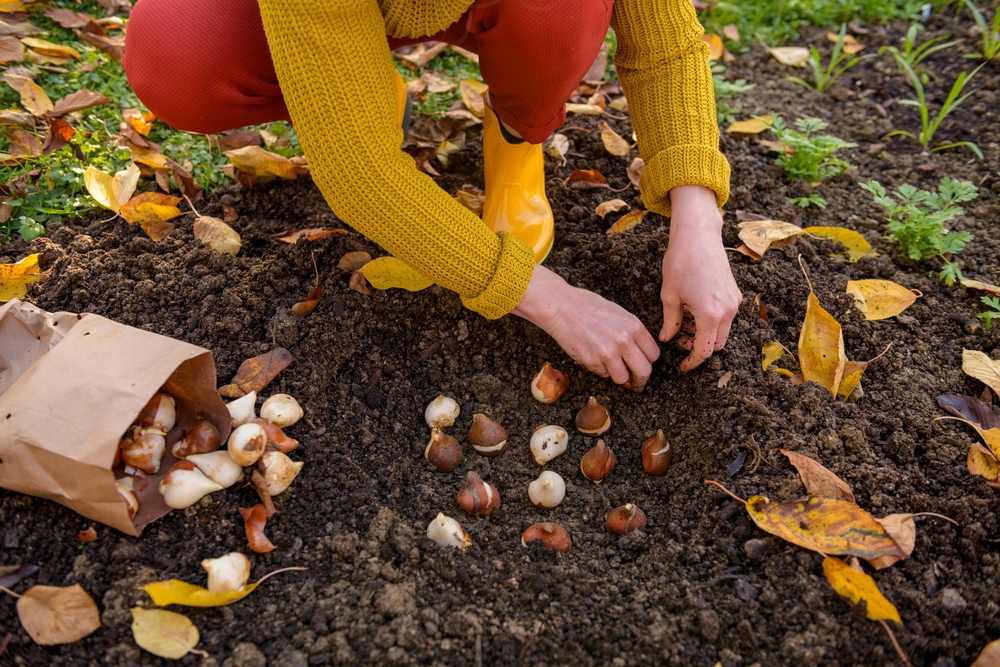
4. Plant Spring Bulbs Before the Planting Window Closes
Spring-flowering bulbs make a strong case for doing tomorrow’s gardening today. Hardy bulbs such as tulips, daffodils, and hyacinths generally need fall planting so they can establish roots before winter, and gardeners can plant many types until the ground freezes. Good drainage matters because consistently wet soil can encourage bulb rot, so fixing a soggy planting area before putting bulbs into the ground makes more sense than discovering the problem after planting.
Waiting until spring can mean missing the normal planting window for bulbs that need a cold period before flowering. It can also leave gardeners shopping after the best selection has disappeared, which makes it harder to find particular colors, varieties, or bulb sizes. Gardeners should check the planting directions for the specific bulbs because depth and timing vary by type. After planting, watering helps settle the soil and starts root development, while a light layer of mulch can help moderate winter temperature swings.
5. Sharpen and Repair Garden Tools
A dull pruner does not become sharper because it spends winter sitting in the shed. Cleaning, sharpening, lightly oiling, and inspecting tools in fall can catch loose handles, rusty parts, damaged blades, and other problems while there is still time to repair them. University of Minnesota Extension recommends cleaning tools before winter storage and notes that sharp, clean pruning tools make better cuts.
Spring creates a particularly bad time to discover that the favorite pruners barely work. Garden centers can sell replacement tools, but replacing something that needed a little maintenance wastes money and sends perfectly serviceable equipment toward the junk pile. Gardeners should clean visible dirt and plant debris first, then sharpen appropriate blades and apply a light protective oil to metal surfaces. Tools that worked hard all season deserve a little retirement spa treatment before they disappear into the shed.
6. Fix Hoses, Irrigation Problems, and Drainage Issues
Watering problems rarely improve through wishful thinking. Fall gives gardeners a useful opportunity to inspect hoses, connectors, irrigation lines, spigots, beds, and low spots while plants no longer demand constant attention. Fixing leaks or damaged connections now can prevent a spring watering system from becoming a frantic hunt for replacement parts. Gardeners should also drain hoses before winter storage and loosely coil them to reduce the risk of damage.
Drainage deserves the same attention because spring rain can expose problems with remarkable enthusiasm. A bed that stays soggy can damage roots, delay planting, and encourage diseases, while compacted pathways can turn into muddy messes just when gardeners need access. Fall provides a calmer window to observe where water collects and decide whether the site needs grading, organic matter, a different planting choice, or another appropriate drainage solution. Solving the underlying problem beats repeatedly rescuing plants after every wet spring.
7. Take Care of Pruning Jobs That Actually Belong in Fall
Pruning can save money when gardeners time it correctly, but indiscriminate cutting can create an expensive gardening headache. Some trees and shrubs benefit from pruning during dormancy, while spring-flowering shrubs such as lilacs and forsythia usually need pruning after flowering because they form next year’s flower buds during the previous growing season.
The key involves knowing which plant needs which treatment rather than reaching for the pruners simply because the weather feels like cleanup season. Removing dead, damaged, or crossing branches when appropriate can improve the plant’s structure and make future maintenance easier. Gardeners should also avoid heavy pruning when the plant or season does not call for it, since removing too much growth can stress a plant. A quick check of the specific species before making cuts can prevent the classic spring discovery of a shrub that looks wonderfully tidy but has mysteriously stopped flowering.
Make Spring Easier by Giving Fall a Little More Work
The best fall garden chores do not simply make the yard look neat. They solve problems, protect equipment, prepare planting areas, and remove obstacles before spring turns every task into a race against the calendar. Soil testing, bulb planting, tool maintenance, selective cleanup, and timely repairs all give gardeners a head start without requiring a giant weekend overhaul.
Which garden task do you always try to finish before winter, and which one has come back to haunt you in spring? Share it in the comments.
You May Also Like…
7 Heat-Safe Garden Chores Worth Doing Before Breakfast
12 Garden Maintenance Chores for December That Avoid Spring Stress
7 Fall Garden Chores Kids Can Help With
12 Garden Chores You Can’t Skip in November
Should You Keep Watering Your Garden the Same Way Once September Arrives?

Brandon Marcus is a staff writer for FrugalGardening.com at District Media, Inc., where he delivers practical gardening advice with a relatable, no-nonsense style. An avid amateur gardener, he holds a BA degree and with over ten years of professional writing experience, he is also an award-winning published author whose first book, Questions For Deep Thinkers, was released by Adams Media. His work has appeared in major publications including Fandom.com, CHUD.com, TheColdWire.com, and Fansided.com.
Leave a Reply