The grocery bill does not magically become smaller when summer ends. In fact, fall can create a sneaky little opportunity for gardeners because plenty of vegetables prefer the cooler conditions that send tomatoes and peppers packing. A few well-chosen crops can turn an emptying summer garden into another round of fresh food, giving the grocery budget a welcome break.
It is key to choose vegetables that can handle chilly nights and schedule them so they reach harvest before serious cold shuts the garden down. Some even become sweeter or more pleasant after cool weather arrives. That makes a fall vegetable garden less like an encore performance and more like a second act that deserves some attention.
1. Spinach
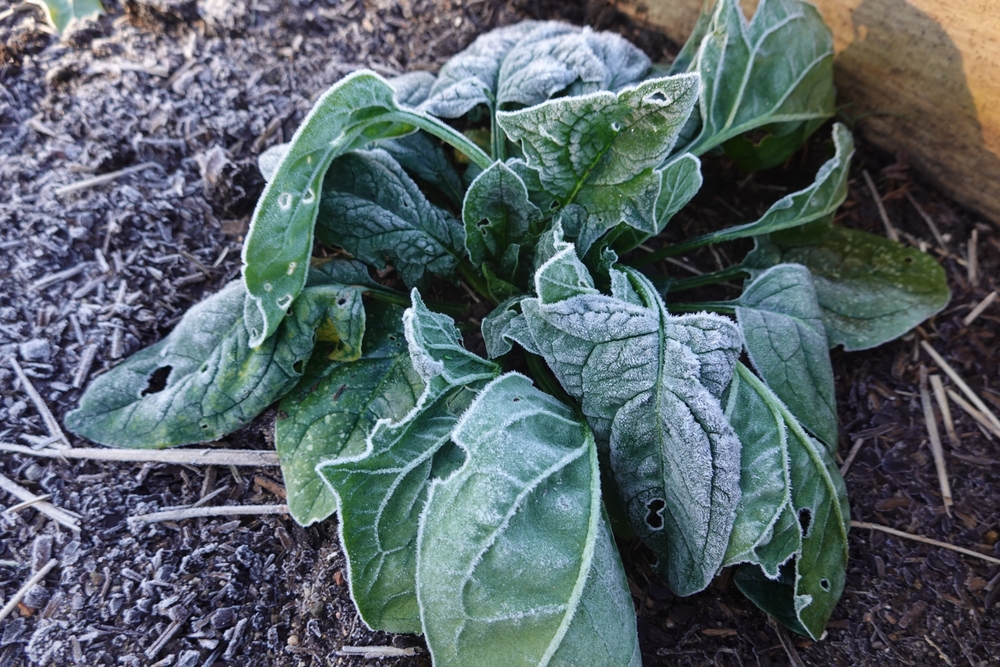
Spinach ranks among the easiest ways to squeeze another harvest from a garden bed because it grows quickly and handles cool weather far better than summer vegetables. It is definitely a frost-tolerant crop, with roughly 35 to 45 days to maturity under suitable conditions. Gardeners can sow it directly into loose, well-prepared soil and harvest young leaves instead of waiting for enormous plants. That flexibility makes spinach especially useful when fall arrives, and there are only short stretches of good growing weather left. A small planting can also provide several cuttings when gardeners harvest carefully.
Spinach does have one important scheduling quirk: shorter autumn days slow plant growth. For a fall crop, count backward from the expected frost period and give the plants enough time to develop before daylight becomes scarce. Gardeners in colder climates can also use row cover to protect plants from chilly nights and extend the harvest window. Keep the soil consistently moist while seeds germinate, because drying out the seedbed can quickly turn a promising planting into a patchy one. Fresh spinach for salads, omelets and soups can make one small garden bed pull considerably more weight at mealtime.
2. Radishes
Radishes practically behave like the garden’s fast-food department, except the food comes from the soil instead of a drive-through window. Many varieties mature quickly, and radishes are one of the crops that handle the fall season the best. Direct-sow the seeds into loose soil, keep the surface evenly moist during germination, and thin crowded seedlings so the roots have room to develop. Succession sowing can keep new roots coming instead of producing one giant pile of radishes all at once. That matters because fresh radishes taste best when gardeners harvest them while they remain crisp and tender.
Fall often gives radishes a particularly pleasant growing environment because cooler weather reduces the heat stress that can make some varieties develop harsh flavors. Gardeners can tuck a row beside slower crops or use an open patch after pulling an earlier vegetable. Avoid letting mature roots linger indefinitely, because oversized radishes can become pithy rather than pleasantly crunchy. Harvest the roots when they reach the size recommended for the variety, then pull another crop if the calendar allows. Even the greens can contribute to soups and sautés, which makes the harvest more useful from top to bottom.
3. Kale
Kale earns its place on a fall grocery-saving list because cold weather barely seems to bother it. Gardeners place kale among the hardier cool-season vegetables, with plants capable of tolerating temperatures well below a light frost. Gardeners can harvest individual outer leaves while leaving the central growing point intact, creating a longer picking window from each plant. Young leaves work nicely in salads, while larger leaves can go into soups, sautés, and other cooked dishes. That versatility helps a handful of plants replace several trips to the produce aisle.
Fall also gives gardeners a useful opportunity to start kale after summer crops finish producing. Choose a variety suited to the available growing window, and remember that plants need enough time to establish before daylight and temperatures slow their growth. Water seedlings consistently while they establish, particularly during dry stretches, and keep an eye out for caterpillars because cool weather does not automatically cancel pest pressure. Row cover can provide protection from some pests while also adding a little frost protection. Harvesting leaves regularly keeps the plants useful rather than allowing a beautiful patch of kale to become an ignored green monument.
4. Carrots
Carrots require more patience than radishes, but fall rewards that patience with roots that can handle chilly conditions surprisingly well. They are tolerant of frost at maturity, making them a natural candidate for a late-season harvest. Direct-sow carrot seeds because the crop dislikes root disturbance, and give the tiny seeds consistent moisture while they germinate. Loose, stone-free soil also matters because compacted ground can produce twisted or forked roots. The result may not look perfectly supermarket-shaped, but a crooked carrot still makes an excellent soup, roast or snack.
Timing matters more with carrots than many gardeners expect because the roots develop underground, where progress remains invisible until harvest. Choose varieties with maturity dates that fit the remaining growing season, and consider baby carrots if time runs short. Mulching can help conserve soil moisture and keep the roots cleaner while the weather cools. Gardeners can pull roots as needed rather than harvesting the entire crop at once, provided the ground remains workable. That ability to leave mature carrots in the garden gives the fall harvest a useful built-in storage feature.
5. Broccoli
Broccoli makes a strong fall candidate because cool weather suits the crop far better than the hottest part of summer. University of Minnesota Extension notes that broccoli can continue growing after the first light frosts, and fall crops can come from seeds started in early to late July. Gardeners should give broccoli enough time to reach useful size before temperatures and daylight slow development. The main head provides the headline harvest, but the story does not necessarily end there. Many plants produce smaller side shoots after gardeners cut the central head.
That second round of shoots makes broccoli particularly appealing when grocery savings matter because one plant can keep producing after the main harvest. Watch the flower buds closely and cut the head while the buds remain tight rather than waiting for yellow flowers to appear. Consistent moisture helps plants develop properly, while good spacing improves airflow around the foliage. Crop rotation also matters because broccoli belongs to the brassica family alongside cabbage, kale, cauliflower and several other vegetables. Give those related crops different beds when possible to reduce the chance of carrying soilborne problems from one season to the next.
6. Peas
Peas bring something different to the fall garden because they provide a fresh crop that does not feel like another bowl of leafy greens. Snap peas, in particular, offer edible pods that work for snacking, salads and quick meals. Peas are among the most frost-tolerant crops, although autumn plantings generally take longer than spring plantings because growth slows as temperatures and daylight decline. Choose an early variety when possible and give the plants a sturdy support structure if the variety climbs. A little planning at planting time saves the frustrating experience of discovering that a wall of pea vines has nowhere to go.
Peas need realistic expectations in fall because the calendar does not offer unlimited growing time. Plant too late and the seedlings may emerge without enough warm, sunny weather to produce a worthwhile harvest. Keep the seedbed evenly moist during germination, and provide support while the vines remain young rather than trying to wrestle a tangled jungle into place later. Harvest snap peas frequently once pods reach the desired size because regular picking encourages continued production. Fresh peas rarely need elaborate preparation, which makes them one of the easiest garden crops to move directly from soil to dinner.
7. Lettuce
Lettuce often struggles when summer heat arrives, but that weakness becomes an advantage when temperatures fall. Extension guidance places leaf lettuce among frost-tolerant crops and lists it as a short-season vegetable that works well during the cool shoulder seasons. Leaf varieties offer particular value because gardeners can harvest individual leaves instead of sacrificing the entire plant. Sow small batches at intervals when the growing season allows, and the garden can provide a steadier supply instead of one enormous lettuce harvest followed by nothing. That approach also makes better use of small spaces.
Good moisture management makes a noticeable difference with fall lettuce because shallow roots can dry quickly. Plant seeds or transplants in a spot with suitable light, keep the soil evenly moist and protect young plants from unexpected temperature swings when necessary. Gardeners can harvest outer leaves once plants reach a useful size, leaving the center to produce additional foliage. A light row cover can also help extend the season as nights become colder. Suddenly, the salad bowl has a much more direct relationship with the backyard.
8. Beets
Beets deserve more attention than they usually receive because they provide two useful harvests from one planting. The roots can go into roasted dishes, soups and salads, while the young greens can add another edible crop before the roots reach full size. Gardeners list beets as one of the vegetables that tolerate cool conditions and put their maturity around 50 to 60 days. That makes them a reasonable choice for a garden bed that opens after an earlier crop. Their compact growth also allows gardeners to fit them into spaces that cannot accommodate sprawling vegetables.
Good soil preparation makes beet growing considerably easier because developing roots need room to expand. Remove stones and break up compacted soil before sowing, then keep the seedbed moist until seedlings emerge. Thin crowded seedlings because each beet seed can produce more than one seedling, and overcrowding can lead to disappointing root development. Gardeners can harvest smaller roots early or leave them longer when the variety and weather allow. The bonus greens make every thinning session feel a little less like garden maintenance and a little more like harvesting dinner.
Let the Fall Garden Keep the Grocery Cart Shorter
A productive fall garden does not require replacing every summer crop with another huge planting. A few rows of spinach, radishes, carrots, or lettuce can fill small gaps, while kale, broccoli, and beets can provide more substantial harvests as temperatures drop. Current gardening analysts also highlight succession planting as a way to make better use of garden space by following one crop with another. The most important move involves matching each crop’s maturity time with the weather still available rather than planting first and checking the calendar later. That simple bit of planning can turn otherwise empty garden space into another source of fresh produce.
Which cool-season crop gives the best return from the space available in your garden each fall?
You May Also Like…
Your Fall Garden Could Be Cheaper to Start Than Your Spring Garden
9 Vegetables You Can Still Plant in September for a Fall Harvest
Don’t Rip Out Your Summer Garden Yet: 8 Plants That May Keep Producing Into Fall
7 Fall Garden Purchases That Are Usually Cheaper at the End of Summer
What Is the Best Way to Cool Down Hot Compost?

Brandon Marcus is a staff writer for FrugalGardening.com at District Media, Inc., where he delivers practical gardening advice with a relatable, no-nonsense style. An avid amateur gardener, he holds a BA degree and with over ten years of professional writing experience, he is also an award-winning published author whose first book, Questions For Deep Thinkers, was released by Adams Media. His work has appeared in major publications including Fandom.com, CHUD.com, TheColdWire.com, and Fansided.com.
Leave a Reply