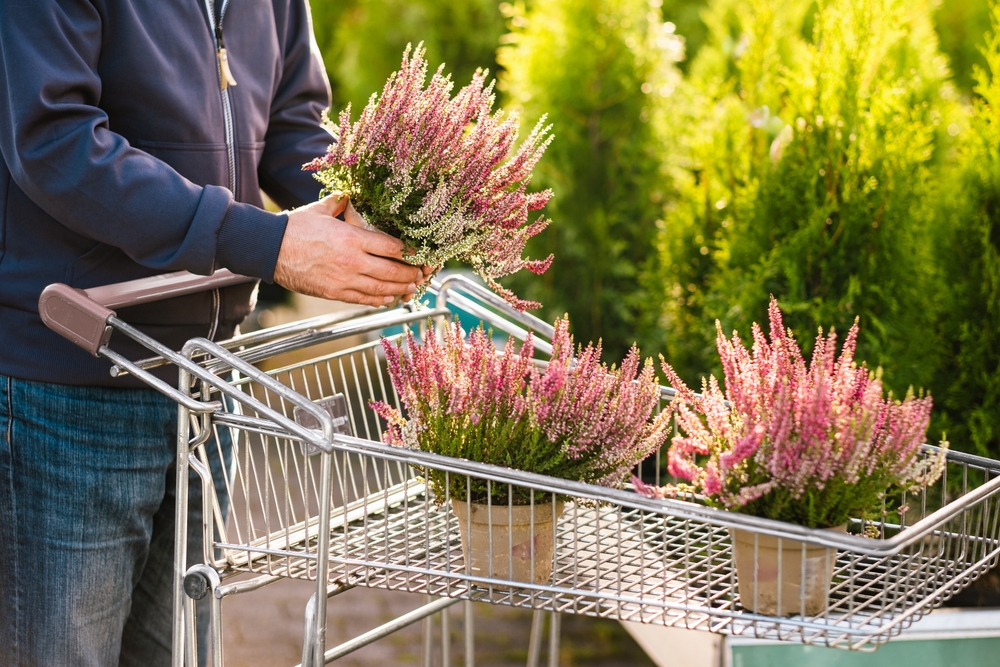
The calendar may still say summer, but garden centers are already thinking about fall. That shift can create one of the best shopping opportunities of the gardening year, especially for plants, pots, tools, and other seasonal supplies that stores would rather sell than store.
A giant markdown sign can make almost anything look like a bargain, but a cheap plant with root problems or a discounted bag of supplies you cannot use offers very little value. Smart end-of-summer shopping means finding useful garden purchases that can serve the yard now, later in the season, or even next year.
1. Perennial Plants
Late summer can bring excellent deals on perennials because garden centers want to clear space for incoming fall inventory. Plants may look a little tired after spending months in containers, but a slightly scruffy appearance does not automatically mean trouble. Check the foliage, stems, and soil, and look for signs of active pests, serious disease, or a badly root-bound plant before putting anything in the cart.
Fall also gives many hardy perennials a useful planting window because cooler temperatures reduce heat stress while the soil can remain warm enough for roots to establish. That makes discounted plants particularly interesting for gardeners who already know where they want to add color next year. Skip plants with mushy crowns, extensive rot, or severely damaged roots, because a bargain price cannot rescue a plant that has already gone downhill.
2. Shrubs and Small Trees
Woody plants can also show up on end-of-season clearance, particularly when nurseries need to move inventory before winter. A discounted shrub can become a long-term garden asset, but this purchase deserves more inspection than grabbing a marked-down annual on impulse. Check the trunk or main stems for damage, examine the foliage for significant disease symptoms, and gently inspect the container for roots circling densely around the outside.
The planting site matters just as much as the sale price. A shrub that eventually becomes enormous does not become a sensible choice simply because someone slapped a clearance sticker on it. Before buying, check the plant’s mature size, sunlight requirements, soil preferences, and winter hardiness for the intended location, then make sure the roots and branches look healthy enough to justify bringing it home.
3. Garden Containers
Containers often become easier to find at lower prices once the peak patio and planting season winds down. That includes plastic nursery pots, decorative planters, hanging baskets, and larger containers that stores do not want occupying valuable floor space through the colder months. This category makes an especially practical clearance purchase because an empty pot does not deteriorate simply because autumn arrives.
Look beyond the color and shape, though. A beautiful container without drainage can create headaches for plants that dislike sitting in soggy soil, while thin plastic can crack after repeated freezing and thawing if you leave it outdoors in winter. Check for drainage holes, sturdy construction, cracks, and a size appropriate for the plants you actually intend to grow rather than buying a small container army simply because everything costs less.
4. Potting Mix and Garden Soil
Bagged growing media sometimes gets marked down toward the end of the gardening season, making fall a convenient time to stock up for spring projects. Potting mix can remain useful when stored properly, and unopened bags generally take up less space than a stack of empty containers. A dry, protected storage spot can keep supplies in much better condition than leaving them exposed to rain and snow.
However, soil products deserve a quick inspection before purchase. Avoid bags that feel unusually wet, smell rotten, contain obvious mold growth beyond what the product normally includes, or show signs of damaged packaging. Also check the label before buying several bags of something designed for a specific purpose, because potting mix, garden soil, compost, and topsoil serve different jobs and do not make interchangeable substitutes.
5. Hand Tools and Garden Equipment
End-of-summer clearance racks can be a surprisingly good place to find basic garden tools. Pruners, trowels, cultivators, gloves, watering accessories, and similar equipment may receive discounts when stores begin shifting their displays toward fall and winter merchandise. For gardeners who already know which tools have seen better days, this timing can turn routine replacement into a much cheaper chore.
Quality still matters more than the sticker. Test moving parts on pruners and shears, check handles for cracks, and inspect metal surfaces for rust or damage. A bargain tool that bends during the first tough job belongs in the “cheap lesson” category rather than the “smart purchase” category, so look for solid construction and a comfortable grip before reaching for the clearance tag.
6. Seeds
Seeds can become another useful end-of-season purchase, particularly when stores begin clearing older seasonal displays. Many vegetable and flower seeds remain perfectly usable beyond the current gardening season when gardeners store them in cool, dry conditions. Some seeds can also work for fall sowing, depending on the crop, local climate, and recommended planting window.
Read the packet instead of assuming every discounted seed deserves a place in the seed drawer. Check the date, crop variety, planting instructions, and whether the packet suits the garden’s growing conditions. Seed longevity varies considerably by plant, so buying more packets than the garden can realistically use may create clutter rather than savings.
7. Watering Supplies
Hoses, spray nozzles, sprinklers, watering cans, and other irrigation accessories can lose their premium-season price once summer demand fades. That makes late-season clearance a sensible opportunity to replace the hose that leaks like a tiny garden fountain or finally retire the nozzle that only produces two settings: disappointing mist and accidental pressure washer. These supplies also store relatively easily compared with bulky garden equipment.
Give every piece a quick inspection before buying. Look for cracked connectors, damaged washers, weak hose walls, and fittings that fail to lock securely. If the item looks sound and the discount makes sense, storing it properly after the season can leave a useful replacement ready when gardening season returns.
8. Garden Furniture and Outdoor Accessories
The garden section often overlaps with the patio section, which means end-of-summer sales can extend beyond plants and tools. Plant stands, benches, trellises, decorative supports, storage accessories, and other outdoor items may receive markdowns as stores make room for seasonal merchandise. These purchases can add function or structure to a garden without requiring a new planting project.
Still, outdoor gear needs a little scrutiny before checkout. Examine wood for splitting, metal for corrosion, and plastic for brittleness or damage, especially if the item spent the summer outside. A sturdy trellis purchased cheaply can support climbing plants for years, while a flimsy one may collapse under the first heavy crop, so durability should remain part of the bargain hunt.
The Best Garden Bargain Is the One That Gets Used
End-of-summer shopping works best when the clearance sticker supports a plan rather than creates one. Perennials, shrubs, containers, growing media, tools, seeds, watering supplies, and outdoor accessories can all make worthwhile purchases when they remain healthy, useful, and appropriate for the garden. A low price matters, but condition, storage, planting requirements, and long-term usefulness matter more.
A little restraint can make the difference between a genuinely smart garden purchase and a garage full of “great deals” that never leave the box. Before buying, ask one simple question: Will this still seem like a good purchase when the sale sign disappears? If the answer is yes, the end-of-summer clearance rack may have done exactly what it should.
What garden supplies do you always look for on clearance at the end of summer? Share your best bargain-hunting finds in the comments!
You May Also Like…
7 Garden Plants You Should Stop Fertilizing as Summer Ends
9 Things Gardeners Should Never Throw Away at the End of Summer
The Garden Center Advice That Cost Me
Shopping for Grow Lights? Learn the Optimal Number of Lumens Required for Your Plants.
7 Fall Garden Purchases That Are Usually Cheaper at the End of Summer

Brandon Marcus is a staff writer for FrugalGardening.com at District Media, Inc., where he delivers practical gardening advice with a relatable, no-nonsense style. An avid amateur gardener, he holds a BA degree and with over ten years of professional writing experience, he is also an award-winning published author whose first book, Questions For Deep Thinkers, was released by Adams Media. His work has appeared in major publications including Fandom.com, CHUD.com, TheColdWire.com, and Fansided.com.
Leave a Reply