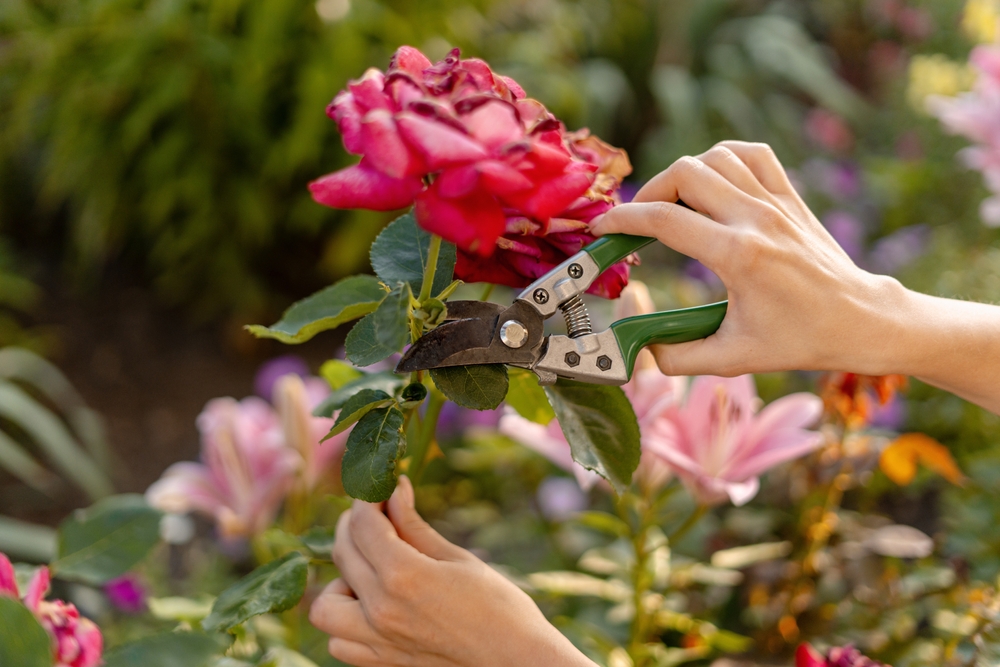
August pruning can feel like harmless garden housekeeping, but the wrong cut at the wrong time can remove the flower buds that should open next spring. A shrub can look perfectly healthy after a summer haircut while quietly carrying far fewer blooms for the following season. That makes late-summer pruning one of those gardening jobs where restraint can matter just as much as skill.
The tricky part comes from the fact that not every flowering shrub follows the same calendar. Some plants set flower buds on old wood, while others form them on new growth, so the best pruning window depends heavily on what grows on those branches. Before reaching for the shears in August, it pays to know which plants can handle a trim, which ones need a reprieve, and which cuts can create problems long after the clippings hit the compost pile.
1. Pruning Spring-Blooming Shrubs Too Late
Spring-blooming shrubs such as lilac, forsythia, azalea, rhododendron, mock orange, and many viburnums generally form next year’s flower buds on growth produced during the current growing season. That means the ideal pruning window comes soon after the flowers fade, not several months later when August rolls around. By late summer, those branches may already carry the buds responsible for next spring’s floral show. A vigorous haircut at that point can remove those buds along with the branches. Penn State Extension specifically recommends pruning spring-flowering shrubs soon after flowering because waiting too long can sacrifice next year’s flowers.
This mistake often starts innocently enough: the shrub looks shaggy, a branch sticks out, and the shears suddenly seem like the obvious solution. Resist the urge to give the entire plant a makeover unless you know exactly what grows where. For an overgrown lilac, selective removal of older stems makes much more sense than blindly shortening every branch, and lilacs can benefit from removing some of the oldest stems at ground level as part of a renewal-pruning strategy.
2. Treating Every Hydrangea the Same
Hydrangeas provide perhaps the best argument for checking the plant tag before pruning because different types follow very different schedules. Bigleaf hydrangeas, including many Hydrangea macrophylla cultivars, can produce flowers from both old and new wood, while smooth hydrangeas such as ‘Annabelle’ flower on new wood and usually respond well to spring pruning. Panicle hydrangeas also flower on new wood, which gives gardeners considerably more flexibility with pruning timing.
August creates an especially important wrinkle for some bigleaf hydrangeas because they can begin forming next year’s flower buds in late summer and early fall. The University of Minnesota Extension notes that certain bigleaf hydrangeas produce those buds during August and September, making late-summer pruning particularly risky for those plants. The name “hydrangea” alone does not tell you when to prune, so identify the species or cultivar before making a major cut.
3. Giving the Whole Shrub a Haircut
Shearing a flowering shrub into a neat green ball might look satisfying, but repeated heading cuts can create dense outer growth while leaving the interior short on sunlight and airflow. Penn State Extension recommends thinning cuts, which remove branches at their point of origin, rather than relying heavily on heading cuts that simply shorten stems. A few carefully chosen cuts can often solve the problem without turning the plant into a botanical haircut experiment gone sideways.
August also presents another reason to avoid aggressive pruning: late-season growth may not have enough time to mature before colder weather arrives. This concern matters especially for evergreens, which can suffer winter injury when pruning encourages tender new foliage late in the season. The University of Minnesota Extension advises against pruning evergreens after August because fresh growth can face greater winter damage.
4. Confusing Deadheading With Serious Pruning
Deadheading and pruning sound similar, but they accomplish different jobs, and August gardeners benefit from knowing the difference. Deadheading usually removes spent flowers or seed heads, while structural pruning removes stems or branches to change the plant’s shape, size, or structure. Removing a faded flower head from a lilac shortly after flowering differs dramatically from cutting several feet off its branches in August. The first task can tidy the plant, while the second can remove developing flower buds.
That distinction becomes especially useful when a shrub looks messy but otherwise grows well. Instead of reaching for loppers, inspect the plant and decide whether spent flowers represent the actual problem. If a spring-blooming shrub already finished flowering months ago, leave its healthy branches alone unless you have a specific structural reason to prune them. Sometimes the smartest pruning decision involves putting the shears back in the shed.
5. Ignoring the Branches That Actually Need Removal
Avoiding unnecessary pruning does not mean leaving every branch untouched. Dead, broken, rubbing, or badly placed branches can still deserve attention, particularly when they create obvious structural problems. Clean cuts with sharp tools help reduce tearing and give the plant a better starting point for recovery. For larger trees or difficult structural problems, gardeners should use extra caution because a mistake can create safety hazards that exceed the scope of routine shrub pruning.
When a branch needs removal, look carefully before cutting rather than simply chopping it wherever the problem becomes visible. For trees, make the cut just outside the branch collar instead of cutting flush against the trunk, and remove crossing branches that rub against one another. Clean, deliberate pruning beats frantic clipping every time, especially when August’s main job involves preserving what the plant already spent months creating.
6. Letting the Calendar Make the Decision
The best pruning calendar starts with the plant, not the month printed across the top of the garden calendar. Spring bloomers generally need pruning after flowering, while shrubs that bloom on new wood usually handle their main pruning during late winter or very early spring. That simple distinction eliminates a surprising amount of guesswork.
August still offers plenty of legitimate garden work, but flowering shrubs often benefit from a little patience this time of year. Check the plant’s botanical name, determine whether it flowers on old or new wood, and look for cultivar-specific instructions before making a major cut. When the information remains unclear, removing only genuinely damaged or dead growth makes a safer choice than gambling next year’s flowers on a haircut the shrub never requested.
Save Next Spring’s Flowers Before You Cut
August pruning rewards gardeners who pause before they snip. A branch that looks ordinary today may already carry the buds that will turn into next spring’s flowers, and those buds can disappear in seconds under a pair of enthusiastic shears.
The smartest approach involves identifying the plant, checking its flowering habit, and matching the pruning technique to that particular shrub rather than applying one rule to the entire landscape. What pruning mistake has caused the biggest surprise in your garden, or which shrub makes you hesitate before picking up the shears?
You May Also Like…
7 Budget Tools Every Gardener Needs for Safe, Clean Shrub Pruning
The Hidden Risks of Improper Pruning That Reduce Summer Harvests
The Best Way to Prune Fruit Trees Before the Cold Sets In
6 August Garden Jobs That Make September Easier
Best Cover Crops for Small Gardens After Summer Harvest

Brandon Marcus is a staff writer for FrugalGardening.com at District Media, Inc., where he delivers practical gardening advice with a relatable, no-nonsense style. An avid amateur gardener, he holds a BA degree and with over ten years of professional writing experience, he is also an award-winning published author whose first book, Questions For Deep Thinkers, was released by Adams Media. His work has appeared in major publications including Fandom.com, CHUD.com, TheColdWire.com, and Fansided.com.
Leave a Reply