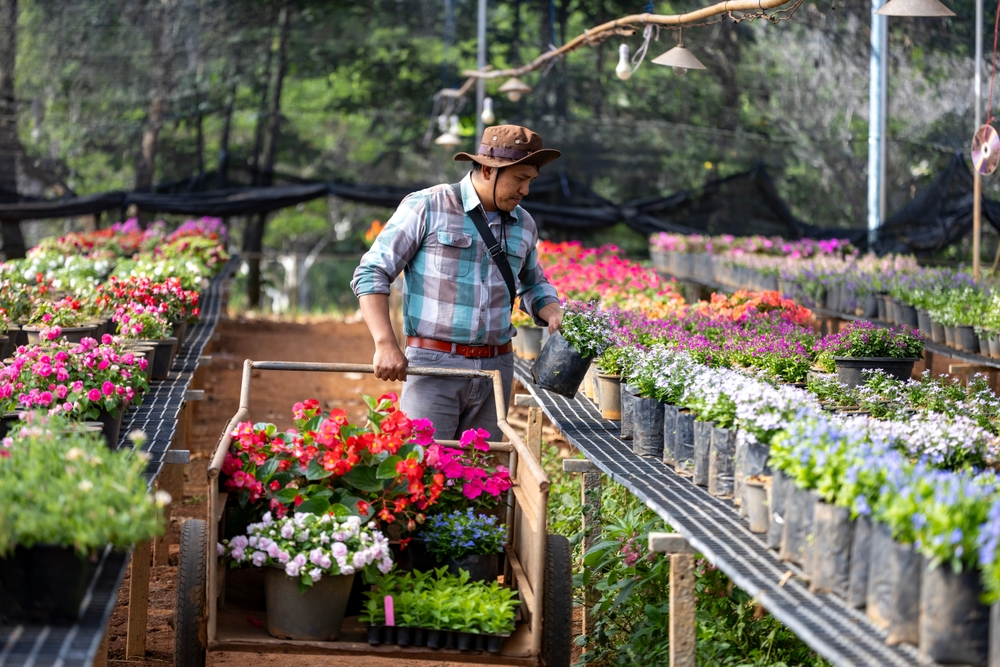
Garden shopping has a funny habit of making the most expensive items look irresistible right when they are least urgent. Once spring and early summer demand fades, however, many garden centers and retailers need to move seasonal inventory, which can create much better opportunities for careful shoppers. That shift makes late summer and early fall a particularly interesting time to look for items that do not need to go into the ground tomorrow morning.
The trick involves knowing what deserves a spot in the cart and what only looks like a bargain because a bright red clearance sticker has hypnotized the shopper. A half-price item that never gets used still costs money, while a well-chosen end-of-season purchase can save cash and handle a job for years. The best garden bargains usually reward patience, storage space, and a willingness to shop for next season rather than today’s immediate project.
Garden Tools Can Become Much More Tempting
Garden tools often remain useful long after the flowers disappear, which makes them excellent candidates for end-of-season shopping. Retailers may discount items such as hand pruners, shovels, hoes, rakes, trowels, garden carts, and watering equipment when seasonal demand slows. A shopper can take advantage of those markdowns without worrying about whether a tool will survive until spring, provided the tool receives proper care during storage. Look closely at hinges, handles, blades, welds, and moving parts instead of assuming every clearance item deserves a victory lap through the checkout line. A damaged pruner with a cheerful discount sticker still makes a poor bargain.
Quality matters even more when buying tools for future use because a low price cannot compensate for a poorly designed or uncomfortable tool. Check whether wooden handles feel solid, whether metal components show rust or bending, and whether cutting tools close smoothly without excessive play. Clean soil from tools before storing them, dry metal surfaces thoroughly, and keep equipment somewhere protected from moisture. A little maintenance can turn a seasonal markdown into a purchase that remains useful for many gardening seasons.
Containers and Planters Often Get Marked Down
Planters create another strong opportunity because retailers have limited reason to keep stacks of seasonal containers taking up valuable floor space once the busiest planting period passes. Look for discounts on ceramic pots, plastic containers, hanging baskets, window boxes, raised planters, and decorative containers that can handle next year’s projects. Inspect every container carefully because clearance inventory sometimes includes cracked pottery, warped plastic, missing hardware, or drainage holes that do not suit the intended plant. A bargain planter should still have the right size, drainage, and durability for its future job. Decorative appeal can tempt shoppers into buying containers that look wonderful but offer very little practical value.
Storage also deserves attention before buying several large planters simply because the price looks delicious. Ceramic and terracotta containers can crack when water freezes inside them, so gardeners in cold climates should store vulnerable pots in a protected location or choose containers that can handle winter conditions. Empty containers should receive a quick cleaning before storage, especially if they held plants with pest or disease problems. Buying ahead works best when the containers have a realistic destination, such as next year’s tomato plants, herbs, annual flowers, or patio displays.
Outdoor Furniture and Garden Décor Can Reward Patience
Outdoor furniture frequently enters clearance territory as retailers make room for other seasonal merchandise, and that timing can work beautifully for anyone willing to wait. Chairs, benches, tables, umbrellas, storage pieces, trellises, and decorative accents can cost less once peak outdoor entertaining season winds down. Inspect furniture for loose joints, rust, cracked frames, damaged finishes, and missing hardware before buying it, because assembling a “bargain” later can become an unexpected scavenger hunt. Cushions deserve special attention because fabric damage, mildew, fading, and unpleasant odors can make replacement costs erase the original savings. A sturdy frame with replaceable or washable components usually offers a safer bet than a bargain piece that depends on fragile seasonal accessories.
Garden décor also rewards restraint because decorative items can quietly multiply into a garage full of objects that seemed brilliant in the store. Birdbaths, plant stands, decorative stakes, obelisks, fountains, and small garden structures can make sense when they serve a clear purpose or fit an existing garden design. Consider where each item will live during winter before bringing it home, especially if the piece requires shelter from freezing temperatures. Outdoor materials can tolerate different conditions, so check manufacturer care instructions rather than assuming every item belongs outside year-round. The cheapest décor remains expensive clutter if it spends twelve months in a box.
Seeds, Supplies, and Seasonal Extras Need a Closer Look
Seed packets and gardening supplies can tempt shoppers with impressive markdowns, but this category requires more caution than a discounted shovel. Seeds have storage requirements and finite viability, and the ideal storage method depends on the crop and packaging, so check dates and follow the instructions on the packet. Some seeds can remain useful for several seasons under cool, dry, stable conditions, while others lose germination potential more quickly. Buying a large pile of old seed simply because it costs very little can lead to disappointing results when planting time arrives. A small amount of fresh, properly stored seed often makes more sense than a bargain-bin collection of mystery packets.
Other seasonal supplies deserve the same practical scrutiny. Plant supports, row-cover materials, frost protection, labels, trays, propagation supplies, and certain irrigation accessories can make excellent purchases when a retailer clears seasonal inventory. Check packaging for missing pieces, brittle materials, corrosion, or instructions that reveal compatibility issues before paying. Avoid buying specialized products merely because the discount looks dramatic, particularly when a simpler item can perform the same job. The goal involves lowering the cost of future gardening, not building a personal museum of oddly specific garden gadgets.
The Best Bargain Is the One With a Future
End-of-season shopping works because timing changes the equation, but a discount alone never guarantees value. Before buying, consider whether the item solves a problem, whether the quality matches the price, whether storage will protect it, and whether the garden will actually need it next season. That quick mental checklist can prevent the classic garden-shopping mistake of saving money on something nobody needed in the first place. Clearance sections deserve curiosity, but they also deserve a little skepticism. The smartest purchase may sit three shelves away from the biggest red markdown sign.
A practical strategy starts with making a short list before shopping and watching for those items after peak demand fades. Take measurements for containers or outdoor furniture, check existing tools for gaps, and keep track of supplies that routinely run out during the growing season. When a useful item finally reaches a reasonable price, the purchase becomes deliberate rather than impulsive. That approach can stretch a gardening budget while making next year’s projects easier to tackle. In the garden, patience can be a surprisingly effective shopping tool.
A Garden Bargain Should Earn Its Storage Space
The most useful end-of-season purchases combine a lower price with genuine future value, whether that means a sturdy tool, a practical container, durable outdoor furniture, or a supply that can wait safely until spring. Shopping after peak season can uncover worthwhile deals because retailers need room for incoming merchandise and gardeners no longer compete at the height of demand. Still, every bargain deserves an inspection before it earns a place in the garage, shed, basement, or garden. Buy for a specific future purpose, protect the purchase during storage, and resist the seductive power of a clearance sticker with excellent graphic design.
Which garden items have delivered the best end-of-season bargains in your experience, and which ones looked cheap but turned out to be money wasted?
You May Also Like…
Why Are More Gardeners Designing Fire-Smart Borders?
10 Gardening Tools People Say Are Total Waste of Money
7 Budget Tools Every Gardener Needs for Safe, Clean Shrub Pruning
The Tool-Share Strategy: How to Get Luxury Garden Tools for Free
5 Cheap Materials for Screening Finished Compost

Brandon Marcus is a staff writer for FrugalGardening.com at District Media, Inc., where he delivers practical gardening advice with a relatable, no-nonsense style. An avid amateur gardener, he holds a BA degree and with over ten years of professional writing experience, he is also an award-winning published author whose first book, Questions For Deep Thinkers, was released by Adams Media. His work has appeared in major publications including Fandom.com, CHUD.com, TheColdWire.com, and Fansided.com.
Leave a Reply