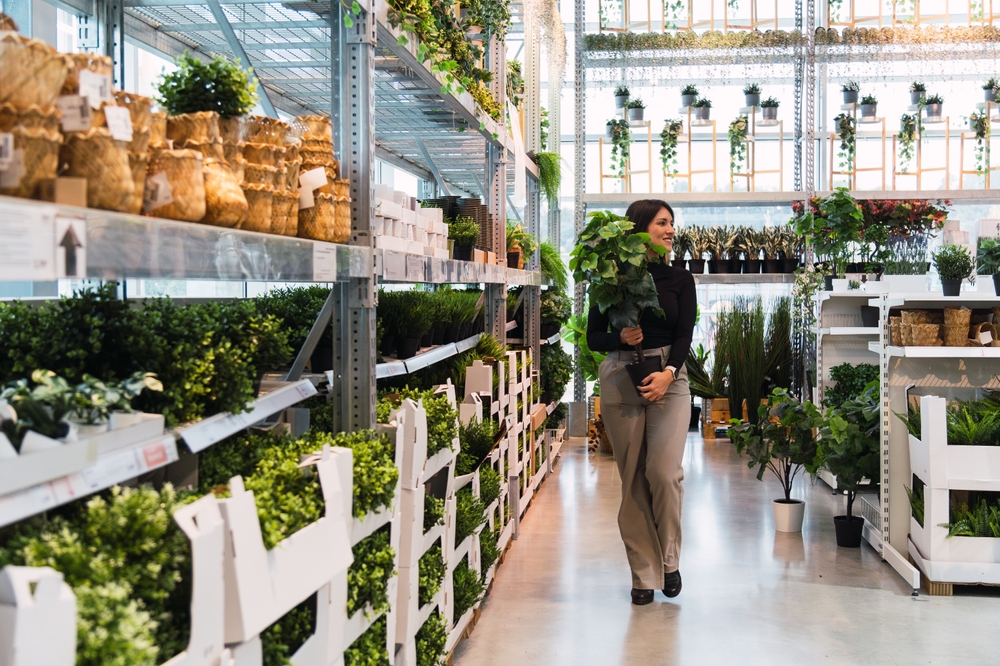
End-of-season garden clearance can turn a routine trip past the garden center into a surprisingly productive treasure hunt. As retailers make room for fall merchandise, gardeners can find useful tools, containers, trellises, soil amendments, and other supplies marked down simply because the calendar changed.
That does not mean every lonely bag or battered package deserves a ride home. Clearance shopping rewards a little judgment, because a cheap gardening product still wastes money if it cracks before spring, expires before it gets used, or solves a problem that does not actually exist. The smartest approach involves looking past the bright red markdown sticker and asking one simple question: Will this still be useful when the garden wakes up again?
Garden Tools Can Become Clearance Gold
Hand tools often make some of the best end-of-season purchases because a quality trowel, cultivator, pruner, or garden knife does not suddenly become obsolete when summer ends. Look closely at the working parts, especially pruner blades, hinges, handles, and metal joints, because a clearance price cannot rescue a tool with rust, bent components, or a cracked grip. A little surface dirt means very little, but deep rust around moving parts deserves a pass. This also makes the clearance aisle a good place to replace a favorite tool that has spent years disappearing into the garden shed. Buy the useful tool, not the novelty gadget that looked exciting for approximately twelve seconds under fluorescent lighting.
Long-handled tools deserve the same inspection, with extra attention to the connection between the handle and the metal head. A shovel or hoe should sit firmly on its handle without wobbling, while a rake should have straight, secure tines. Wooden handles should feel solid and free from major cracks or splinters, and fiberglass or composite handles should not show obvious damage. Before buying a discounted pruner, open and close it several times and check whether the blades meet cleanly. A clearance tool can become a fantastic springtime upgrade when the markdown reflects the season rather than a flaw.
Containers, Trays, and Trellises Deserve a Second Look
Garden containers can make excellent clearance purchases because their usefulness does not depend on the current season. Plastic pots, seed-starting trays, hanging baskets, window boxes, and decorative planters can all serve a purpose next year, provided they have no serious cracks or structural damage. Check containers carefully for brittle plastic, especially if they sat outdoors under strong sunlight for months. Drainage holes matter too, because a gorgeous bargain pot without adequate drainage can turn into a root-rot waiting room. A slightly scratched container presents little concern, but a container with a split bottom belongs on the shelf rather than in the cart.
Trellises and plant supports also deserve attention because gardeners can store many of them and reuse them for climbing crops, flowers, or even lightweight garden netting. Check metal supports for significant rust and examine joints or welds for weakness before buying. Bamboo and untreated wood supports can work well, but signs of rot, soft spots, or severe splitting should end the shopping adventure immediately. Clearance racks sometimes hide perfectly useful supports beneath a pile of oversized decorative items that looked much better in the catalog. A practical trellis may never win a beauty contest, but peas and cucumbers remain remarkably uninterested in fashion.
Soil Amendments Require More Careful Shopping
Bags of soil amendments can look tempting when retailers slash prices, but this category demands more caution than garden tools or empty containers. Check the label first and make sure the product actually matches a future gardening need, whether that means compost, mulch, fertilizer, lime, or another soil amendment. Inspect bags for tears, moisture damage, hardening, or evidence that the material has spilled or become contaminated. A damaged package can create more mess than savings, especially when the product has spent weeks sitting outdoors. The clearance sticker should never replace reading the label.
Fertilizers deserve particular attention because different products serve very different purposes, and gardeners should not buy one simply because the price looks irresistible. Check the product label, intended use, application directions, and storage recommendations before putting it in the cart. Organic materials such as compost and manure-based products also need careful inspection for excessive moisture, unpleasant decomposition problems, or contamination concerns. If a product requires specific storage conditions that cannot fit the garden shed, the bargain may quickly lose its charm. Good clearance shopping means buying something useful at a lower price, not collecting mysterious bags that will sit untouched until their labels fade.
Seeds and Bulbs Can Be Bargains, With a Few Caveats
Seed packets often appear in clearance bins late in the season, and gardeners can sometimes get useful bargains for the following growing season. The important detail involves checking the seed packet date, crop information, and storage history rather than assuming every unopened packet will perform exactly the same way next year. Seed longevity varies considerably by crop, so an old packet may still contain viable seed while another type may lose germination quality sooner. Store purchased seeds somewhere cool, dry, and protected from moisture if the packet remains suitable for future planting. A tiny packet can hold plenty of potential, but only when the seeds still have a reasonable chance of germinating.
Spring-flowering bulbs require a different inspection because timing matters. Bulbs should feel firm and should not show widespread mold, severe soft spots, or signs of rot. Some clearance bulbs can work well if the planting window remains appropriate for the local climate, but gardeners should not buy a large quantity simply because the price dropped dramatically. Check the package for the bulb type, planting instructions, and condition before purchasing. A bargain bulb that cannot go into the ground at the right time may become a very inexpensive lesson in impatience.
Think Beyond Plants When Shopping the Clearance Aisle
Gardeners sometimes overlook practical supplies such as plant ties, clips, labels, netting, stakes, kneeling pads, watering accessories, and storage containers because these items lack the glamour of a flowering plant. That can make them some of the easiest purchases to justify, especially when the products solve recurring garden chores. Check flexible materials for brittleness and inspect clips, ties, and plastic components for cracks before buying. Plant labels and garden markers rarely care whether they came from the clearance rack, and neither do tomatoes. A useful little pile of supplies can make spring garden preparation much less frantic.
The best clearance purchases also fit an actual gardening plan rather than an imaginary garden that somehow requires seventeen trellises and three different types of decorative pots. Before shopping, take a quick inventory of what already sits in the shed, garage, greenhouse, or basement. Measure storage space if bulky items tempt you, because a bargain can become annoying when it occupies half a closet for six months. Skip products with unclear labels, serious damage, questionable storage conditions, or no obvious future use. End-of-season clearance works best when the goal involves building a useful garden supply collection, not simply winning a contest for the largest receipt.
The Best Clearance Deal Is the One That Gets Used
End-of-season clearance can offer genuine value, particularly when gardeners focus on durable tools, reusable containers, plant supports, practical accessories, and carefully selected seeds or bulbs. The trick involves separating seasonal markdowns from products that retailers simply need to move because they have flaws or limited usefulness. A careful inspection can reveal the difference in a matter of minutes. Price should matter, but condition, storage needs, longevity, and actual garden plans matter more. A five-dollar item that gets used for years beats a one-dollar item that spends years collecting dust.
Which garden supplies have you found at end-of-season clearance that turned out to be surprisingly useful?
You May Also Like…
7 Garden Purchases Worth Making During End-of-Season Sales
Why Are Gardeners Experimenting With In-and-Out Plants?
10 Gardening Tools People Say Are Total Waste of Money
7 Budget Tools Every Gardener Needs for Safe, Clean Shrub Pruning
The Garden Center Advice That Cost Me So Much

Brandon Marcus is a staff writer for FrugalGardening.com at District Media, Inc., where he delivers practical gardening advice with a relatable, no-nonsense style. An avid amateur gardener, he holds a BA degree and with over ten years of professional writing experience, he is also an award-winning published author whose first book, Questions For Deep Thinkers, was released by Adams Media. His work has appeared in major publications including Fandom.com, CHUD.com, TheColdWire.com, and Fansided.com.
Leave a Reply