Container gardens can feel like tiny plant apartments, and after a few seasons, the soil inside those pots can start looking more like a worn-out studio than a luxury suite. Nutrients disappear, soil structure breaks down, and plants that once looked fantastic may suddenly struggle. Worm castings can help restore that tired container soil by adding organic matter, beneficial microbes, and gentle nutrients that support healthier plants.
Many gardeners discover the problem when they notice smaller leaves, slower growth, or plants that seem to need constant feeding. The good news is that replacing all the soil in every container rarely becomes necessary. A simple addition of quality worm castings can give aging potting mixes a much-needed refresh without turning gardening into a giant soil-moving project.
Worm Castings Work Like a Natural Soil Multivitamin
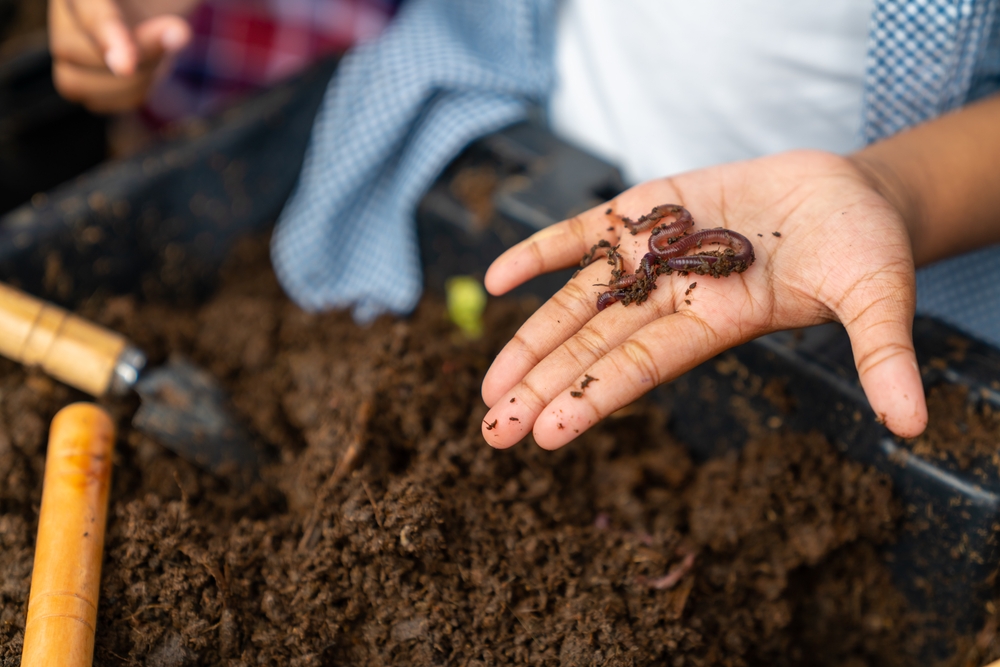
Worm castings, sometimes called vermicompost, come from a fascinating little recycling operation run by earthworms. As worms consume organic material, they break it down into a fine, nutrient-rich material that contains minerals plants can use. Worm castings contain nutrients such as nitrogen, phosphorus, and potassium, along with organic compounds that improve soil quality. They also introduce beneficial microorganisms that help create a more active growing environment.
Container soil faces unique challenges because it has a limited amount of space and fewer natural processes than garden beds. Rain cannot constantly wash fresh minerals through the soil, and decomposing plant material does not replenish nutrients as easily. Over time, potting mixes can become compacted and less friendly to plant roots. Adding worm castings helps improve the texture while supplying a gentle source of nutrients. Unlike some synthetic fertilizers that deliver a quick burst, worm castings provide slow, steady support.
Adding Worm Castings Can Revive Tired Potting Mix
The easiest way to use worm castings involves mixing them into existing container soil before planting or adding a layer around established plants. Gardeners often blend worm castings into the top few inches of soil so water and soil organisms can gradually move those nutrients downward. A handful or two can make a noticeable difference in smaller pots, while larger containers may benefit from a more generous addition. The goal involves improving the soil, not replacing the entire growing medium with castings.
Too much of a good thing can still create problems, even in the garden. Worm castings remain gentle compared with many fertilizers, but containers still need a balanced mix of ingredients. Plants need proper drainage, air around their roots, and enough structure to hold moisture without becoming soggy. A container filled entirely with worm castings may not provide the ideal environment for most plants. Think of castings as a valuable ingredient in the recipe, not the entire meal.
Worm Castings Help Container Plants Handle Common Soil Problems
One of the biggest benefits of worm castings comes from their ability to improve soil structure. Healthy container soil needs tiny spaces where air and water can move freely. When potting mix becomes dense and compacted, roots struggle to access oxygen and moisture. Worm castings add organic material that can help loosen the mix and create a friendlier home for roots. This improvement becomes especially helpful for plants that spend years in the same container.
Worm castings also help address a common container gardening frustration: inconsistent moisture. Some old potting mixes dry out quickly and become difficult to rehydrate. The organic matter in worm castings can help soil hold moisture more effectively while still allowing drainage. This balance can make watering easier and reduce the stress that comes from constant swings between dry and soggy conditions. For busy gardeners, that little bit of forgiveness feels like a gift.
Choosing Quality Worm Castings Makes a Difference
Not every bag labeled “worm castings” offers the same quality. Good castings usually have a dark, earthy appearance and a pleasant soil-like smell. A strong sour or unpleasant odor can indicate poor processing or an immature product. Gardeners should look for reputable suppliers that explain their production methods and avoid products with unnecessary fillers. Quality matters because the goal involves improving the living environment inside the container.
Home gardeners can also produce their own worm castings through vermicomposting. A small worm bin can transform kitchen scraps and plant material into a steady supply of soil amendment. Red wigglers, a type of composting worm, work especially well for these systems because they handle organic waste efficiently. However, a healthy worm bin requires proper moisture, airflow, and suitable food sources. A neglected bin can create problems, so patience and regular care remain important.
Give Container Soil a Second Chance Before Replacing It
Many gardeners assume old container soil belongs in the trash pile, but that approach wastes a valuable resource. With some fresh compost, worm castings, and careful attention, older potting mixes often regain useful qualities. Refreshing soil also saves money because gardeners do not need to buy new bags of potting mix every growing season. A little maintenance can stretch the life of container gardens significantly.
Worm castings will not magically solve every plant problem. Poor sunlight, incorrect watering, pests, and unsuitable containers can still cause trouble. However, nutrient-poor soil often creates a hidden challenge that gardeners overlook. Adding worm castings provides a practical way to improve soil health while working with nature instead of fighting against it. For container gardeners, these tiny worm-produced treasures can turn tired dirt into a much better foundation for healthy plants.
The Tiny Soil Upgrade That Packs a Big Gardening Punch
Worm castings prove that some of the most useful gardening tools do not come in flashy packages. These humble earthworm creations can help rebuild container soil, support beneficial microbes, and give plants a stronger place to grow. They work best as part of a larger soil-care routine that includes proper watering, sunlight, and good-quality potting materials. A container garden does not need a complete makeover every year when small improvements keep the soil in good shape.
The next time a favorite tomato plant or houseplant struggles in an old pot, a fresh scoop of worm castings might provide exactly the boost the soil needs. Gardening often comes down to caring for what exists rather than constantly starting over. Sometimes the best rescue plan comes from the smallest creatures working quietly below the surface.
Have worm castings helped your container plants recover from tired soil? Let’s hear your experience and gardening tips in the comments!
You May Also Like…
Can Biochar Help Sandy Soil Hold Water During Hot Weather?
What Should You Do When Potting Soil Pulls Away from the Container?
7 Signs Your Soil Has Become Hydrophobic
Misusing New Weed Killers Can Warp Your Shrubs—Triclopyr Stays in Soil for Months
Supercharge Your Soil: How to Brew Compost Tea or Worm Castings Tea at Home

Brandon Marcus is a staff writer for FrugalGardening.com at District Media, Inc., where he delivers practical gardening advice with a relatable, no-nonsense style. An avid amateur gardener, he holds a BA degree and with over ten years of professional writing experience, he is also an award-winning published author whose first book, Questions For Deep Thinkers, was released by Adams Media. His work has appeared in major publications including Fandom.com, CHUD.com, TheColdWire.com, and Fansided.com.
Leave a Reply