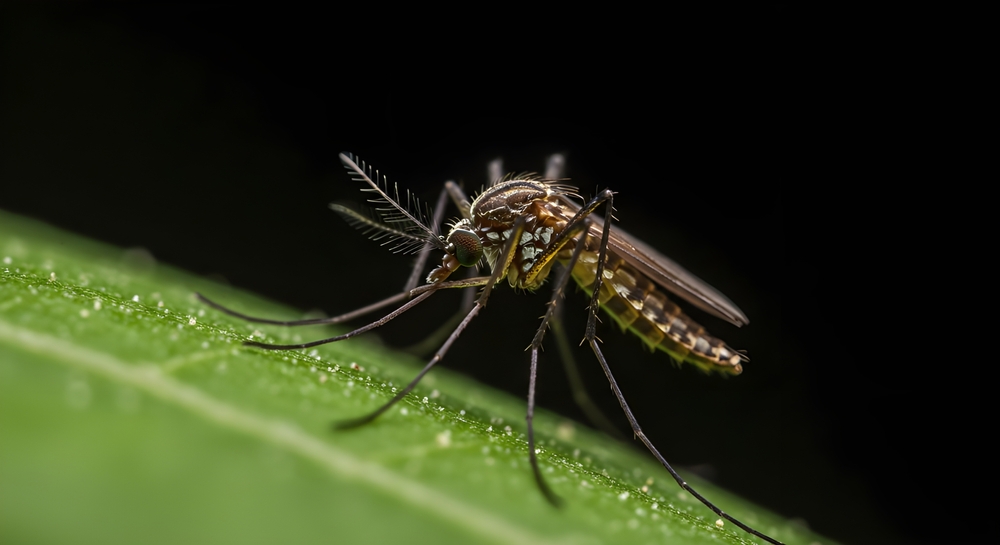
A bee bath can give thirsty bees a welcome pit stop, but a neglected one can also turn into a tiny mosquito nursery. The good news? Gardeners do not need to choose between helping pollinators and avoiding standing water.
The trick comes down to one simple gardening habit: keep the water fresh and moving through the garden routine. A shallow dish with stones, pebbles, or marbles can offer bees a safe place to land and drink, but water that sits untouched for days gives mosquitoes exactly the kind of quiet, stagnant environment they prefer. A bee bath should feel more like a birdbath with a daily refresh than a backyard pond left to its own devices.
A Bee Bath Can Help Bees Without Becoming a Mosquito Hotel
Bees need water for more than a quick drink on a hot afternoon, and a shallow source can give them a safer option than puddles, swimming pools, or open containers with steep sides. A good bee bath usually consists of a shallow saucer or dish filled with stones, pebbles, or other rough surfaces that rise above the water line. Those landing spots matter because bees can drown in deeper water, especially when they cannot find a firm place to stand. A few rocks poking above the surface turn a plain dish into a little pollinator rest stop. The setup looks simple because it is simple, which makes it one of those rare garden projects that does not require a weekend, a power tool, or a dramatic trip to the garden center.
The mosquito question enters when gardeners refill a bee bath and then forget about it. Female mosquitoes can lay eggs in small amounts of stagnant water, including water collected in containers around the yard, and the larvae develop in water that remains undisturbed. A shallow bee bath does not automatically create a problem, but stale water can give mosquitoes an opportunity. That makes regular maintenance more important than the size or fanciness of the dish. A gardener who changes the water frequently can support bees without handing mosquitoes a complimentary apartment complex.
Fresh Water Makes the Biggest Difference
The easiest way to keep a bee bath from becoming a mosquito breeding spot involves dumping out the old water and adding fresh water regularly. A quick rinse helps remove debris, algae, and anything else that turns a clean little watering station into a murky bowl. Gardeners should also scrub the dish when grime builds up, especially during hot weather when organic material can accumulate quickly. The exact schedule depends on weather, shade, evaporation, and the amount of debris falling into the container. If the water looks stale, smells odd, or contains visible mosquito larvae, the bath needs attention immediately.
Placement also helps, although no location can replace maintenance. A bee bath near flowering plants can give pollinators a convenient stop, while a spot with some shade can slow evaporation and keep the water from heating up as quickly. However, deep shade beneath dense foliage can drop leaves and other organic debris into the dish, creating more cleanup. The best location often offers a balance of nearby flowers, easy access for the gardener, and enough open space to keep the water visible. A bee bath that sits where someone walks past it every day has a much better chance of receiving regular care than one hidden behind a shed.
The Stones Matter More Than They Look
A bee does not need a luxurious spa treatment, despite what the garden center aisle might suggest. Bees need a shallow place to reach water without falling in, and stones provide that crucial foothold. Gardeners can arrange several rocks so that some surfaces remain dry while the water reaches around them. The stones should sit securely because a wobbly landing spot can send a bee into the water instead of helping it drink. Flat rocks, rough pebbles, and other stable materials can all work well when they create easy access to the water’s edge.
The arrangement also gives gardeners a chance to notice problems before they become bigger problems. If the dish fills with leaves, algae, or other debris, the landing surfaces can become slippery or disappear beneath the water. If the water level drops too far, bees may struggle to reach it, while a completely full dish can remove some of the shallow edges that make the setup safer. A quick glance during routine watering can reveal whether the bee bath still works as intended. The best garden solutions often rely on tiny observations rather than elaborate equipment, and this is a perfect example.
Mosquito Larvae Mean It Is Time for a Reset
Mosquito larvae can look like tiny wrigglers near the surface of standing water, and their presence means the container needs immediate attention. Gardeners should dump the water onto soil or another area where it cannot simply collect again, then rinse and scrub the dish before refilling it. Pouring the water into another container or onto a spot that holds water can simply move the problem instead of solving it. A clean restart takes very little time and removes the stagnant water that attracted the mosquitoes in the first place. The same check makes sense for plant saucers, buckets, clogged gutters, and other small water-holding spots around the garden.
A bee bath should never become a reason to ignore broader mosquito control around the property. Mosquitoes can use many kinds of containers, including items that gardeners barely notice after rain. Emptying unnecessary standing water and keeping useful water features fresh can reduce the number of places where mosquitoes can complete their life cycle. Gardeners should also avoid adding household chemicals, oils, or random pesticides to a bee bath because those substances can harm bees and other wildlife. Fresh water and regular cleaning offer a much safer approach.
A Bee Bath Works Best as a Living Garden Routine
The most useful bee bath does not need to look impressive in a garden photo. A humble saucer with clean water and stable stones can serve pollinators beautifully when the gardener checks it often. The setup works especially well near plants that attract bees, but it should sit somewhere convenient enough for regular maintenance. That convenience matters because even the most thoughtfully designed water feature can become a problem when nobody remembers to refresh it. In gardening, the glamorous part often gets the attention, but the two-minute maintenance habit usually does the real work.
A good routine can fit into ordinary garden care without adding much effort. Check the bee bath while watering containers, pull out leaves when passing by, and replace the water whenever it looks dirty or stagnant. During hot, dry weather, evaporation may require more frequent attention, while rainy periods can fill the dish with debris and dilute or overflow the water. The goal remains straightforward: give bees a safe place to drink while denying mosquitoes the long, quiet stretch of stagnant water they need. A bee bath should be a small kindness to the garden, not an invitation to every mosquito in the neighborhood.
The Best Bee Bath Is the One That Gets Fresh Water
A bee bath can absolutely become a mosquito breeding spot when water sits stagnant and the container receives little attention. That risk does not make bee baths a bad idea, and it certainly does not require gardeners to abandon them. A shallow dish, secure stones, clean water, and regular refreshes can create a useful drinking station for bees without creating a neglected puddle in disguise. The key involves treating the bath as part of the garden’s maintenance routine rather than installing it and forgetting it. Keep the water fresh, keep the landing spots safe, and the little pollinator pit stop can do its job.
Would a bee bath fit into your garden routine, or has standing water caused mosquito problems around your yard before? Share your experience in the comments.
You May Also Like…
Give Bees and Butterflies a Drink: Create a Pollinator Water Station From Recycled Dishes
What Is the Cheapest Way to Keep Berries Away From Birds?
Affordable Ways to Create Pollinator Habitats That Attract Bees and Butterflies
7 Garden Tasks to Protect Bees in Autumn

Brandon Marcus is a staff writer for FrugalGardening.com at District Media, Inc., where he delivers practical gardening advice with a relatable, no-nonsense style. An avid amateur gardener, he holds a BA degree and with over ten years of professional writing experience, he is also an award-winning published author whose first book, Questions For Deep Thinkers, was released by Adams Media. His work has appeared in major publications including Fandom.com, CHUD.com, TheColdWire.com, and Fansided.com.
Leave a Reply