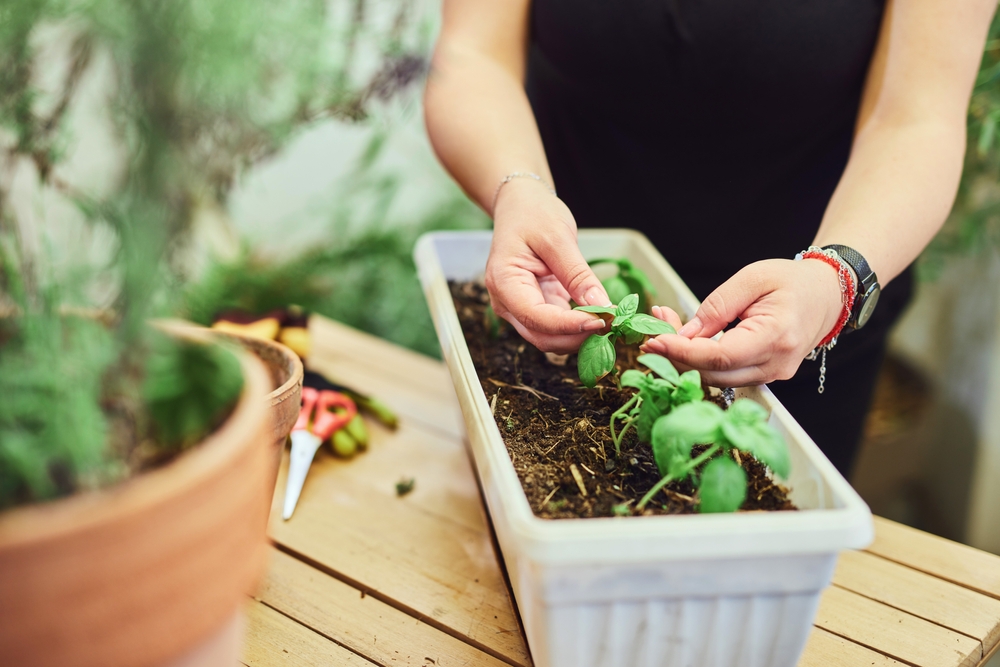
Basil lovers know the moment: lush green leaves fill the garden, the plant looks gorgeous, and then tiny flower buds appear like an unexpected announcement from the plant itself. Pinching back basil once it starts budding helps redirect the plant’s energy toward producing more flavorful leaves instead of focusing on flowers and seeds.
This simple gardening habit can turn a short basil season into a much longer harvest of fragrant leaves for pasta, salads, sauces, and summer drinks. A few quick snips at the right time can make the difference between a bushy basil plant and one that looks like it gave up on leaf production halfway through the season.
Basil Buds Are a Signal, Not a Disaster
Basil naturally wants to flower as it matures, especially when temperatures rise and the plant senses the growing season moving along. Those small buds at the top of the stems do not mean the plant has failed, but they do signal a change in its priorities. Once basil begins forming flowers, it starts putting more effort into reproduction rather than creating new leafy growth. Gardeners who want a steady supply of leaves should pinch those buds away before they fully open. This tiny task ranks among the easiest ways to keep basil looking fresh and productive.
The best time to pinch basil comes when the buds first appear and before the flowers develop. A quick pinch with clean fingers or garden scissors can remove the growing tip and encourage the plant to send out new side shoots. Those side branches create a fuller shape and provide more places for fresh leaves to grow. Waiting too long will not ruin the plant, but basil may develop a stronger, sharper flavor after flowering begins. Regular checks once or twice a week help catch new buds before they take over.
The Right Way to Pinch Basil Without Hurting It
Pinching basil works best when gardeners remove the top section of the stem just above a pair of healthy leaves. That spot gives the plant a chance to branch outward instead of sending one tall stem toward the sky. Cutting too far down can remove too many leaves and slow the plant’s recovery. Leaving the lower leaves intact helps basil continue making energy through photosynthesis. This approach keeps the plant compact, leafy, and easier to harvest.
Many gardeners make the mistake of only removing the flower itself, but that leaves the plant’s flowering instinct in place. A better method involves trimming the stem below the flower cluster and above a leaf pair. Basil responds well to regular harvesting, so those pinched sections often become future harvest points. The removed pieces can go straight into the kitchen, where fresh basil rarely lasts long. Few garden chores offer such an immediate reward.
Flowering Basil Still Has a Place in the Garden
Not every gardener needs to stop basil from flowering, because basil blooms can support pollinators visiting the garden. Bees and other beneficial insects often visit basil flowers, adding another layer of value to an herb patch. Some gardeners allow a few plants to bloom while they keep others trimmed for cooking. This creates a balance between a pollinator-friendly garden and a reliable herb supply. A little strategy goes a long way when deciding which basil plants deserve a haircut.
Basil flowers also produce seeds, which gardeners can collect for future planting if they allow the plant to finish its life cycle. Some varieties handle flowering differently, and certain types may keep good flavor longer after producing blooms. Even flowering basil can provide attractive greenery in containers, raised beds, or garden borders. The key question involves the gardener’s goal, whether that means fresh leaves, saved seeds, or a buzzing backyard habitat. There is no single rule that fits every basil plant.
Keep Basil Leafy With Small Regular Trims
Consistent harvesting creates one of the best routines for maintaining healthy basil plants throughout the season. Gardeners should avoid removing large amounts of foliage at once because the plant needs leaves to produce energy. Taking a few stems regularly encourages new growth and keeps the plant from becoming tall and sparse. Watering deeply when the soil begins to dry and providing plenty of sunlight also support strong basil growth. Good care combined with timely pinching creates a reliable supply of flavorful leaves.
Basil rewards attention, but it does not demand complicated techniques or expensive tools. A gardener with a pair of scissors and a few minutes each week can manage most flowering issues before they become problems. The most common mistake involves ignoring the first signs of buds until the plant has already shifted toward flowering. A little observation makes the difference between a struggling herb pot and a productive kitchen garden favorite. Those small moments spent checking leaves and stems often lead to bigger harvests later.
A Tiny Pinch Can Keep Summer Basil Going
Basil budding does not mean the season has ended, but it does tell gardeners that the plant needs a little attention. Pinching flower buds and trimming stems above leaf pairs helps maintain a steady supply of fresh leaves for cooking. This simple technique works because basil naturally responds to careful pruning with new branches and foliage. Gardeners who want seeds or flowers can let some plants bloom while keeping others focused on leaves. The best basil strategy matches the plant’s purpose with the gardener’s goals.
A few seconds of pruning can prevent a basil plant from becoming tall, woody, and less useful in the kitchen. Regular care turns basil from a one-time summer treat into a dependable garden companion. The next time tiny buds appear, grab the scissors instead of giving up on the plant. That small pinch might be the secret to keeping fresh basil on the menu for weeks longer.
Which basil-growing trick has worked best in your garden, and do you pinch back buds or let your plants flower?
You May Also Like…
Don’t Let Your Herbs Bolt—Pinching Tricks to Keep Cilantro and Basil Going
How to Grow Basil That Doesn’t Bolt in the Heat
The Best Crops for Windy Balconies and Hot Patios
Why Grass Clippings Can Carry Herbicide Into Vegetable Beds
6 Culinary Herbs That Take Off Quickly When Planted Now

Brandon Marcus is a staff writer for FrugalGardening.com at District Media, Inc., where he delivers practical gardening advice with a relatable, no-nonsense style. An avid amateur gardener, he holds a BA degree and with over ten years of professional writing experience, he is also an award-winning published author whose first book, Questions For Deep Thinkers, was released by Adams Media. His work has appeared in major publications including Fandom.com, CHUD.com, TheColdWire.com, and Fansided.com.
Leave a Reply