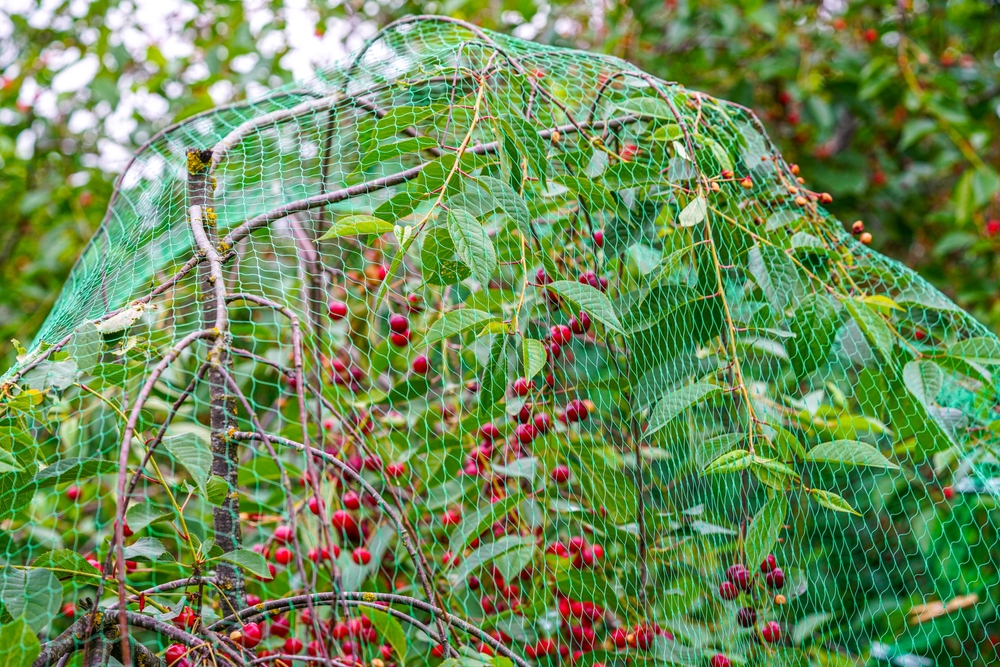
Nothing stings quite like watching berries reach perfect ripeness only to disappear one peck at a time. Birds possess remarkable eyesight, and they often spot juicy strawberries, blueberries, raspberries, and blackberries before anyone else notices that harvest day has arrived. The good news is that keeping them away does not require expensive gadgets or complicated systems.
The cheapest solution usually comes down to one simple tool: lightweight bird netting installed correctly. While plenty of shiny objects, fake predators, and homemade tricks promise miracle results, many lose their effectiveness after birds realize they pose no real threat. A modest investment in quality netting often protects crops for several seasons, making it one of the best bargains in the entire garden.
Why Bird Netting Delivers the Best Value
Bird netting consistently beats most budget-friendly alternatives because it creates a physical barrier instead of trying to scare birds away. Birds quickly learn that plastic owls never move, reflective tape loses its surprise, and old CDs spinning in the breeze soon become part of the scenery. A properly installed net simply removes access to the fruit, which leaves birds searching for an easier meal elsewhere.
Many gardeners make one common mistake by draping netting directly over berry bushes. Birds can still reach fruit through the mesh, and small birds sometimes become tangled if the net lies against branches. A few inexpensive PVC pipes, bamboo stakes, or wooden supports create a simple frame that keeps the net above the plants. That small adjustment protects both the crop and the wildlife while making harvesting much easier.
Cheap Tricks That Can Help but Rarely Work Alone
Reflective ribbon, aluminum pie plates, pinwheels, wind spinners, and fluttering strips of foil all cost very little and can discourage birds for short periods. These visual distractions work best when they move constantly in changing sunlight and wind. Moving them every few days helps maintain their novelty, although determined birds often grow comfortable with them over time.
Homemade scare devices also offer temporary help during the brief window before berries ripen. Balloons painted with large “eyes,” old windsocks, or colorful streamers sometimes delay bird visits long enough to buy a few extra days before harvest. These methods work better as supporting players than as the main defense. Pairing them with netting creates a much stronger strategy than relying on scare tactics alone.
Timing Makes a Huge Difference
Many gardeners wait until birds begin eating fruit before adding protection, but that approach gives local birds time to identify the berry patch as a dependable food source. Once birds establish that routine, they return every day with impressive consistency. Installing protection just before berries begin changing color prevents that habit from forming.
Daily harvesting also plays an important role. Fully ripe berries produce stronger aromas and brighter colors that attract birds from surprising distances. Picking fruit every morning removes much of that temptation while providing fresher berries for the kitchen. Even a single day of delay can invite hungry visitors to enjoy breakfast before anyone else gets the chance.
Give Birds Something Else to Eat
A surprising trick involves giving birds another attractive option away from the berry patch. A birdbath with fresh water often draws more attention than fruit, especially during hot summer weather. Birds frequently seek water as much as food, so a simple source placed well away from berry plants can reduce visits to the harvest area.
Some gardeners also plant serviceberries, elderberries, mulberries, or other wildlife-friendly plants in another part of the yard. These plants create a natural buffet that helps spread feeding activity across the landscape. This approach does not guarantee complete protection, but it encourages birds to divide their attention instead of concentrating on a single row of blueberries or strawberries.
Avoid Solutions That Create Bigger Problems
Sticky products, glue traps, and harmful chemicals should never enter the picture. These methods injure wildlife and create unnecessary suffering while often violating local wildlife protection regulations. Berry protection should always focus on exclusion rather than harm.
Loose netting also deserves careful attention. Large openings or sagging sections can trap birds, snakes, beneficial insects, and even small mammals. Tightening the net, securing the edges close to the ground, and checking it regularly creates a much safer setup. A little extra care protects wildlife while preserving the harvest.
A Small Investment That Pays Off Every Season
The cheapest way to keep berries away from birds usually surprises new gardeners because it does not involve flashy gadgets or clever internet hacks. Lightweight bird netting supported above the plants remains the most affordable long-term solution, especially when combined with timely harvesting and a few inexpensive visual deterrents. Instead of fighting an endless battle with birds that quickly outsmart scare devices, gardeners create a simple obstacle that encourages wildlife to move along without causing harm. Healthy berry plants can produce fruit for many years, so protecting each harvest with reusable netting often costs only a few dollars per season. That practical approach saves money, reduces frustration, and leaves plenty of sweet berries for pies, jams, fresh snacks, and everything in between.
What inexpensive trick has worked best in your berry patch, or do the birds still manage to beat you to harvest? Share your experience in the comments.
You May Also Like…
8 Cheap Gardening Supplies That Work Better Than Expensive Versions
Why Backyard Chickens and Gardening Are Becoming the Ultimate Frugal Combo
8 Nectar-Rich Options That Attract Hummingbirds
These Birdseed Additives Are Spreading Salmonella — Wildlife Officials Sound the Alarm

Brandon Marcus is a staff writer for FrugalGardening.com at District Media, Inc., where he delivers practical gardening advice with a relatable, no-nonsense style. An avid amateur gardener, he holds a BA degree and with over ten years of professional writing experience, he is also an award-winning published author whose first book, Questions For Deep Thinkers, was released by Adams Media. His work has appeared in major publications including Fandom.com, CHUD.com, TheColdWire.com, and Fansided.com.
Leave a Reply