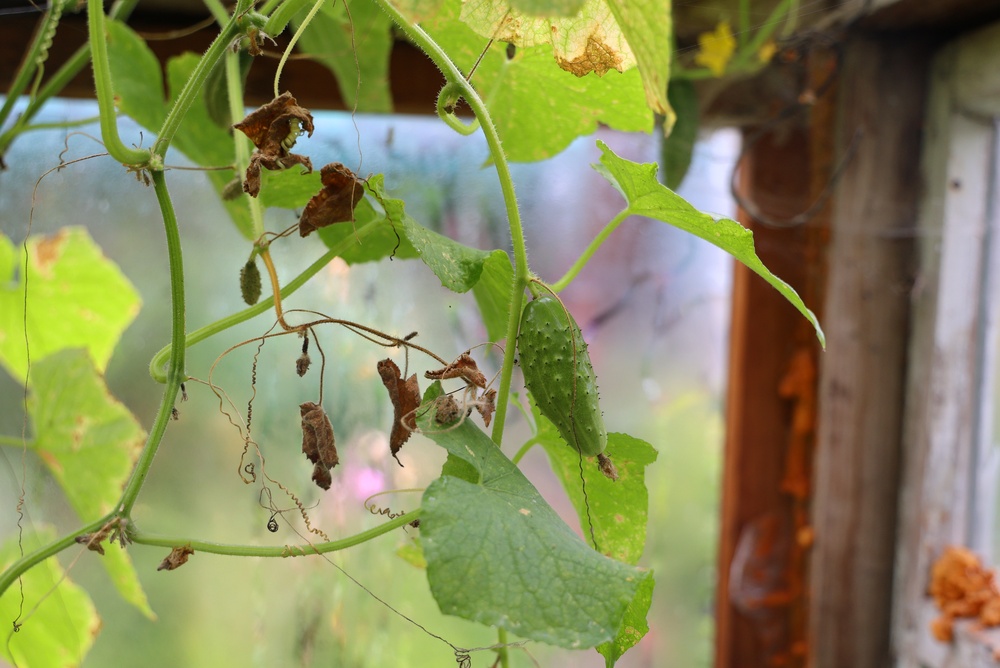
A cucumber plant can look completely defeated by dinner and surprisingly healthy by breakfast. That dramatic turnaround happens more often than many gardeners expect, but it does not always signal a happy ending. A quick recovery depends on why the leaves drooped in the first place.
Cucumbers grow fast, produce large leaves, and move huge amounts of water on warm days. That combination makes them especially prone to temporary wilting during hot afternoons. The trick lies in telling the difference between harmless heat stress and a serious problem that needs immediate attention before the entire plant declines.
Why Cucumber Plants Sometimes Wilt So Quickly
Cucumber leaves lose moisture rapidly during hot, sunny weather because the plant releases water through tiny openings called stomata. When roots cannot replace that moisture fast enough, the leaves droop to reduce water loss. Cooler evening temperatures often allow the roots to catch up, which explains why a plant may look perfectly healthy the next morning.
Not every wilt tells such a cheerful story. Dry soil, damaged roots, compacted ground, or transplant shock can all leave a cucumber limp for longer than a single afternoon. Gardeners should also remember that cucumbers have shallow root systems, so they react much faster to changing soil moisture than many other vegetables. A plant that wilts every afternoon despite moist soil deserves a closer inspection because another issue may hide beneath the surface.
When an Overnight Recovery Signals Good News
A cucumber that perks up after sunset usually experienced temporary heat stress rather than permanent damage. The leaves regain firmness because cooler temperatures reduce water loss while the roots continue absorbing moisture. That natural daily cycle often appears during stretches of hot summer weather, especially when temperatures climb into the upper 80s or higher.
Healthy recovery comes with several reassuring signs. Leaves should regain their normal shape without turning brown or crispy around the edges. Stems should remain firm rather than soft or shriveled, and new flowers or young cucumbers should continue developing normally. Gardeners who notice this pattern can usually avoid panic and simply focus on keeping soil moisture consistent instead of reaching for a watering can every time leaves droop in the afternoon.
Signs the Plant Needs More Than a Good Night’s Rest
A cucumber that remains wilted after sunrise sends a very different message. Persistent drooping often points to dry soil, root damage, bacterial wilt, fusarium wilt, or severe vine borer injury in some regions. Several of those problems require quick action because they spread rapidly or permanently damage the plant.
Checking the soil offers the fastest clue. Dry soil several inches below the surface suggests the plant needs a deep watering rather than a light sprinkle. Wet soil combined with continued wilting raises more concern because saturated roots cannot absorb oxygen properly, and diseases often develop in constantly soggy conditions. Gardeners should also inspect stems for chewing damage, look for yellowing leaves, and search for sticky cucumber beetles that can spread bacterial wilt between plants.
How to Help a Wilted Cucumber Recover
Deep watering works much better than frequent shallow watering. Moisture should soak several inches into the soil so roots grow downward instead of lingering near the surface where heat dries everything quickly. Adding two or three inches of organic mulch around the plant also slows evaporation and keeps root temperatures cooler throughout the day.
Timing matters just as much as technique. Watering early in the morning gives plants plenty of moisture before afternoon heat arrives while allowing leaves to dry quickly. Gardeners should avoid soaking foliage late in the evening because prolonged leaf moisture encourages fungal diseases. During intense heat waves, temporary shade cloth placed above the plants during the hottest hours can reduce stress without blocking all the sunlight cucumbers need to produce abundant fruit.
Small Habits That Prevent Future Wilting
Consistent watering beats emergency watering every time. Instead of waiting until leaves collapse dramatically, gardeners should check soil moisture regularly by inserting a finger a couple of inches into the ground. Slightly moist soil usually indicates healthy conditions, while dusty, dry soil signals that watering should happen soon.
Healthy soil also makes a remarkable difference. Compost improves water retention in sandy soil while helping heavy clay drain more effectively, giving cucumber roots a much better growing environment. Proper spacing between plants improves air circulation, reduces disease pressure, and allows roots to spread without intense competition for moisture. Those simple habits create stronger plants that handle summer heat with far less drama.
The Morning Verdict
A wilted cucumber plant can absolutely bounce back overnight, but the sunrise inspection tells the real story. Plants that recover by morning usually battled temporary heat stress, while plants that remain limp need immediate attention to identify watering problems, root damage, or disease. Careful observation often solves the mystery long before permanent damage occurs.
Successful cucumber growing depends less on reacting to every drooping leaf and more on recognizing patterns. Healthy roots, evenly moist soil, mulch, and smart watering habits give cucumber plants their best chance to recover from hot afternoons and continue producing crisp, delicious harvests all season long. A little patience combined with careful detective work often saves both the plant and the gardener from unnecessary worry.
Has a cucumber plant in the garden ever looked hopeless one evening and completely recovered the next morning? Share the experience and favorite recovery tips in the comments below!
You May Also Like…
7 Reasons Your Cucumbers Keep Dying Early
Sugarbeets, Sugarcane, and Vegetable Costs: What Gardeners Can Learn From Commodity Stress
Why Grass Clippings Can Carry Herbicide Into Vegetable Beds
The Cheapest Way to Start a Community Garden Plot
8 Fruits You Should Never Plant Too Close Together

Brandon Marcus is a staff writer for FrugalGardening.com at District Media, Inc., where he delivers practical gardening advice with a relatable, no-nonsense style. An avid amateur gardener, he holds a BA degree and with over ten years of professional writing experience, he is also an award-winning published author whose first book, Questions For Deep Thinkers, was released by Adams Media. His work has appeared in major publications including Fandom.com, CHUD.com, TheColdWire.com, and Fansided.com.
Leave a Reply