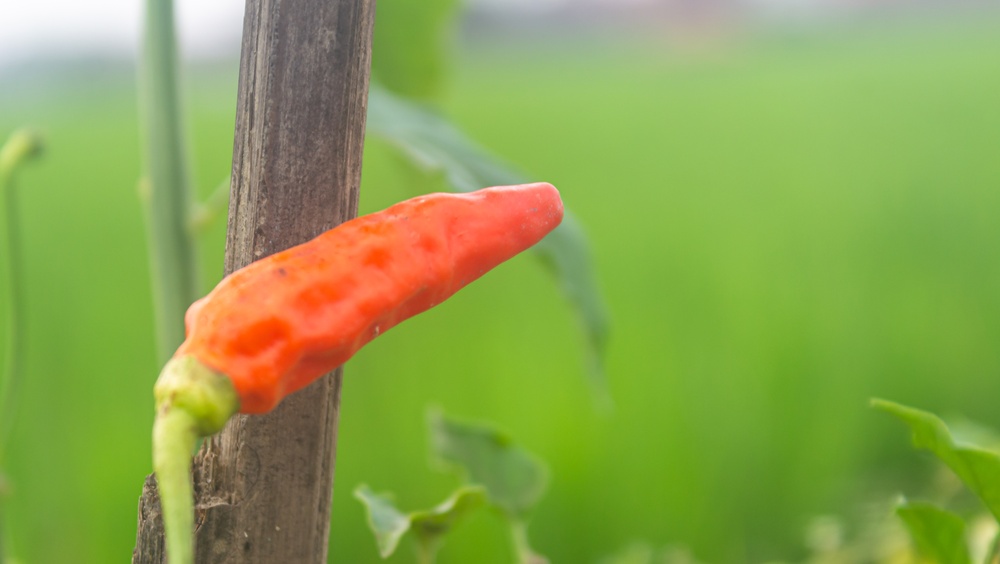
Pepper plants can turn into leafy, fruit-loaded garden stars, but those heavy branches sometimes need a little backup. A few inexpensive supports can keep pepper stems upright, protect developing peppers, and help plants handle summer weather without a dramatic garden flop.
A mature pepper plant can look sturdy one morning and lean like it just finished a long day by afternoon. Instead of buying expensive garden gadgets, gardeners can use simple household items and low-cost materials to create reliable support that keeps plants neat, healthy, and productive.
1. Use Wooden Stakes for Simple Pepper Plant Support
Wooden stakes offer one of the easiest ways to help pepper plants carry heavy branches without spending much money. A basic garden stake, bamboo stick, or even a straight untreated wooden strip can provide enough structure for many pepper varieties. Place the stake a few inches away from the main stem to avoid damaging roots. Use soft ties, cloth strips, or garden twine to gently connect the plant to the support. This method works especially well when peppers start forming thick clusters that pull branches downward.
The key involves tying plants loosely because stems need room to grow and move slightly in the breeze. Tight knots can cut into stems and create unnecessary damage as the plant expands. A good gardener checks ties every few weeks because pepper plants change quickly during the growing season. Old fabric strips from worn-out cotton shirts make surprisingly useful plant ties because they feel gentle against stems. This cheap trick can save a favorite pepper plant from snapping during a storm or after a heavy harvest.
2. Repurpose Tomato Cages for Pepper Plants
Old tomato cages can give pepper plants a sturdy little fence without requiring a trip to the garden store. Many gardeners already have these wire structures sitting in sheds after tomato season ends. A small tomato cage works nicely around compact pepper varieties with several fruit-filled branches. Slide the cage around the young plant early because adding one later becomes much harder when roots and branches spread. The cage creates a protective frame that supports the plant from multiple directions.
Tomato cages also help gardeners organize crowded vegetable beds because they keep pepper branches from sprawling into nearby plants. Choose cages with openings large enough for easy harvesting because tiny gaps can turn pepper picking into a frustrating puzzle. Gardeners can find affordable cages at many garden centers, discount stores, and garage sales. A slightly bent cage still works perfectly because plants care more about support than appearance. This reuse approach gives old garden equipment another season of purpose.
3. Create Homemade Support Rings With Wire
Wire support rings provide another inexpensive option for gardeners who enjoy simple DIY projects. A roll of sturdy garden wire can create several custom-sized supports for pepper plants. Shape the wire into a circle and anchor it with small stakes around the plant. The ring helps catch branches before they touch the ground or break under the weight of peppers. This setup works well for bushy plants that grow wider instead of taller.
Gardeners should choose wire carefully because sharp edges can scrape stems and leaves. Plastic-coated garden wire often works better than bare metal because it reduces the chance of injury. A homemade ring also allows gardeners to match the support size to each pepper plant’s growth pattern. Smaller rings fit compact plants, while larger rings help sprawling varieties. This little project takes only a few minutes but can protect months of gardening effort.
4. Try Bamboo Supports for a Natural Garden Look
Bamboo sticks create affordable, attractive supports that blend into vegetable gardens. Many garden centers sell bamboo stakes at low prices, and some gardeners already grow bamboo they can harvest responsibly for garden use. These lightweight supports work well because they provide height without overwhelming pepper plants. Gardeners can use one stake or create a small bamboo framework around several stems. The natural appearance keeps the garden looking tidy while solving a practical problem.
Bamboo supports also work nicely in containers where pepper plants often need extra stability. Container-grown peppers can become top-heavy because limited soil space gives roots less room to anchor the plant. Adding a bamboo stake early prevents the awkward struggle of pushing supports through dense roots later. Secure stems with gentle ties and leave enough space for natural movement. This simple technique proves that useful garden solutions do not need fancy equipment.
5. Add Mulch to Protect Pepper Plant Stability
Mulch does more than make garden beds look polished because it helps create better growing conditions around pepper plants. A layer of organic mulch can reduce soil moisture swings and protect shallow roots from harsh temperature changes. Stronger root systems help plants hold themselves upright as peppers develop. Materials like straw, shredded leaves, or compost often provide affordable mulch options. Gardeners should keep mulch slightly away from the main stem to reduce moisture problems around the plant base.
Mulch also prevents gardeners from accidentally disturbing roots while watering or weeding. A stable soil environment helps pepper plants handle the demands of producing heavy fruit. The mulch layer does not replace physical supports, but it works as part of a complete support strategy. Many backyard gardeners overlook the connection between healthy roots and strong stems. This inexpensive addition can make a noticeable difference throughout the season.
6. Use Garden Clips and Soft Ties to Prevent Breaks
Garden clips and soft ties offer a quick fix when pepper branches start leaning under their own success. These small tools cost little and allow gardeners to adjust support as plants grow. Clip systems can attach stems to cages, stakes, or nearby structures without squeezing delicate branches. Soft ties provide similar benefits while allowing easy changes during regular garden checks. This approach works especially well during peak harvest periods when peppers add sudden extra weight.
A gardener should inspect pepper plants after strong winds, heavy rain, or a major picking session. Small cracks or bending branches often signal the need for extra support before a larger problem develops. Gentle adjustments usually solve issues before stems suffer serious damage. Avoid forcing branches into unnatural positions because peppers still need room for healthy growth. A few minutes of attention can protect a plant loaded with future harvests.
Small Supports Create Big Pepper Harvest Protection
Supporting heavy pepper plants does not require expensive supplies or complicated gardening systems. Simple stakes, reused cages, homemade rings, bamboo, mulch, and gentle ties can all help plants stay upright. The best support method depends on the pepper variety, garden space, and materials already available. Smart gardeners often find that the most useful tools hide in garages, sheds, and recycling bins. A little creativity can turn everyday items into valuable garden helpers.
Strong pepper plants reward consistent care, especially when branches carry more fruit than expected. Regular checks, careful tying, and thoughtful support choices prevent many common garden disappointments. The goal involves protecting the plant while allowing natural growth and easy harvesting. These budget-friendly ideas help gardeners spend less while getting more from every pepper plant. Sometimes the simplest garden solutions create the biggest improvements.
What inexpensive trick have you used to keep your pepper plants standing tall during a heavy harvest season? Share your favorite garden support ideas in the comments.
You May Also Like…
Why Your Toaster Scraps are the Secret to Gigantic Peppers
7 Heat-Safe Garden Chores Worth Doing Before Breakfast
Why Grass Clippings Can Carry Herbicide Into Vegetable Beds
10 Vegetables That Give the Best Return for Small Gardens
How to Build a Low-Cost Shade Setup for July Vegetables

Brandon Marcus is a staff writer for FrugalGardening.com at District Media, Inc., where he delivers practical gardening advice with a relatable, no-nonsense style. An avid amateur gardener, he holds a BA degree and with over ten years of professional writing experience, he is also an award-winning published author whose first book, Questions For Deep Thinkers, was released by Adams Media. His work has appeared in major publications including Fandom.com, CHUD.com, TheColdWire.com, and Fansided.com.
Leave a Reply