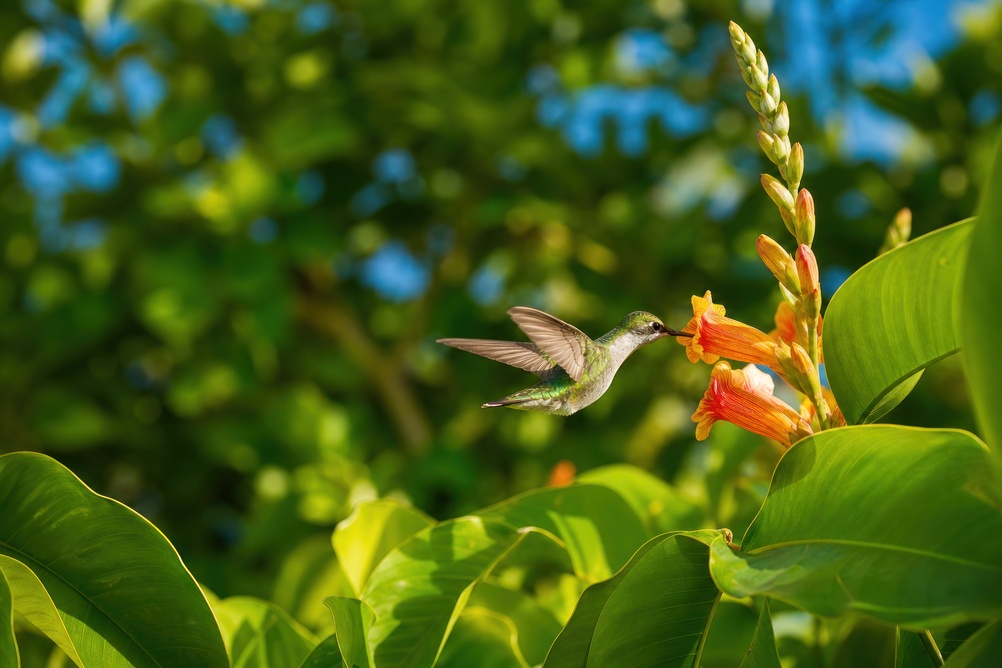
A garden filled with fluttering butterflies and darting hummingbirds never feels ordinary. Native flowering trees and shrubs turn even a simple backyard into a lively destination packed with color, movement, and the gentle buzz of pollinators hard at work. The best part? These plants already belong in the local landscape, so they fit naturally into the environment and often need less fuss once established.
Many gardeners chase flashy annuals every spring, yet the real stars often stand taller. Native woody plants provide dependable nectar, shelter, nesting spots, and seasonal beauty all at once. Instead of creating a garden that peaks for a few weeks, they build a landscape that keeps wildlife coming back from spring through fall.
Why Native Trees and Shrubs Keep Pollinators Coming Back
Native flowering trees and shrubs evolved alongside local birds, butterflies, bees, and other wildlife, so they produce the nectar, pollen, berries, and habitat those creatures expect to find. A flowering dogwood may burst into bloom just as hummingbirds arrive from migration, while native viburnums and serviceberries pick up the show later with blossoms followed by fruit. That steady parade of blooms gives pollinators reliable food instead of one short feast. Woody plants also provide places to rest, hide from predators, and even raise young, which annual flowers simply cannot match. The result feels less like a flower bed and more like a complete neighborhood for wildlife.
A healthy pollinator garden rarely depends on a single spectacular plant. Layering small trees with shrubs creates different heights, bloom times, and shelter, making the space attractive throughout the growing season. Butterflies often pause on sunny branches before searching for nectar, while hummingbirds appreciate nearby perches where they can watch over their favorite flowers. That constant activity turns an ordinary morning coffee into front-row seats for one of nature’s busiest performances.
Choose Bloom Times Like a Relay Race
The secret to a busy pollinator garden does not rest on planting the biggest flowers. Instead, build a sequence where one tree or shrub begins blooming just as another finishes, creating an almost continuous buffet across the seasons. Early spring blossoms welcome hungry pollinators emerging after winter, summer flowers keep energy levels high, and late-season blooms help many insects prepare for colder weather. A thoughtful mix prevents those awkward weeks when the garden suddenly looks beautiful but offers very little food.
Color also plays a role, although nectar matters far more than appearance alone. Hummingbirds eagerly investigate bright reds, oranges, and pinks, while butterflies often visit clusters of purple, yellow, white, and blue blossoms. Native plants naturally offer this variety without looking forced or overly manicured. Instead of chasing perfect symmetry, let the landscape feel layered, relaxed, and pleasantly alive.
Plant for More Than Just Flowers
Flowers attract attention, but leaves, branches, and bark quietly do important work all year long. Many butterfly caterpillars feed only on specific native plants before transforming into adults, so removing every chewed leaf actually removes part of the butterfly life cycle. Those slightly ragged leaves tell a success story, even if perfection takes a back seat for a while. Gardeners who welcome a little nibbling often enjoy many more butterflies later in the season.
Dense shrubs also shield small birds from predators and rough weather while offering hummingbirds protected places to rest between feeding trips. Skip heavy pruning during nesting season whenever possible because hidden nests often disappear behind fresh spring growth. Leaving a few fallen leaves beneath shrubs also benefits beneficial insects that spend part of their lives tucked safely beneath natural mulch. A tidy garden may impress the neighbors, but a slightly relaxed one often impresses wildlife much more.
Simple Care Keeps Native Plantings Looking Their Best
Native plants still appreciate a strong start, even though they generally demand less maintenance after establishment. Water deeply during the first growing season, spread mulch around the root zone without piling it against trunks, and remove invasive weeds before they compete for moisture and nutrients. Those simple habits help young trees and shrubs settle in quickly without creating extra weekend chores. Once established, many native species handle local weather conditions with surprising resilience.
Avoid broad-spectrum insecticides whenever possible because they rarely distinguish between harmful insects and valuable pollinators. A single spray can wipe out caterpillars, bees, butterflies, and other helpful visitors that keep the garden balanced. Instead, monitor plants regularly and tolerate minor cosmetic damage whenever practical. The reward comes every time a hummingbird zips through the yard or a butterfly lands long enough for an unforgettable close-up.
A Garden That Buzzes With Life All Season
A pollinator-friendly landscape grows into much more than a collection of attractive plants. Native flowering trees and shrubs create food, shelter, and nesting space while filling the garden with constant movement and seasonal color. Every bloom invites another visitor, every branch offers another perch, and every season adds something fresh to watch. That combination creates a landscape that feels vibrant long after the first flowers appear.
Which native flowering tree or shrub has brought the most hummingbirds or butterflies to the garden? Share favorite plants, memorable sightings, or gardening tips in the comments.
You May Also Like…
7 Summer Plants That Attract Hummingbirds Almost Instantly
How to Stop Birds From Digging Up Seeds
These Birdseed Additives Are Spreading Salmonella — Wildlife Officials Sound the Alarm
8 Pollinator-Friendly Plants That Bloom for Months
8 Flowers That Keep Blooming Through the Worst Summer Heat

Brandon Marcus is a staff writer for FrugalGardening.com at District Media, Inc., where he delivers practical gardening advice with a relatable, no-nonsense style. An avid amateur gardener, he holds a BA degree and with over ten years of professional writing experience, he is also an award-winning published author whose first book, Questions For Deep Thinkers, was released by Adams Media. His work has appeared in major publications including Fandom.com, CHUD.com, TheColdWire.com, and Fansided.com.
Leave a Reply